Why Pets Need Dental Checkups Before Winter
Why Pets Need Dental Checkups Before Winter
As crisp autumn air settles over Vienna and the surrounding communities, many pet owners begin preparing their homes and routines for the upcoming winter. While stocking up on pet-safe ice melt and cozy bedding is important, one aspect of seasonal pet care that often goes overlooked is your dog or cat’s oral health. At Animal Dental Clinic, located at 410 Maple Avenue West, Suite #1, Vienna, VA 22180, our specialty team is dedicated to advanced dental care and oral surgery for pets. As winter approaches, now is the ideal time to schedule a comprehensive dental checkup for your companion. This blog will explore why pre-winter dental visits are so crucial, how our veterinary dentistry specialists can uncover hidden oral health problems, and what you can expect from a preventive dental exam. You will also find practical tips for maintaining your pet’s dental health at home during the colder months, along with clear guidance on when to seek professional veterinary dental care.
Spotting Dental Problems Before the Weather Turns Cold
Many dental issues in pets develop quietly. Your dog or cat may not show obvious signs of discomfort until oral disease has advanced significantly. As temperatures drop, pets may hide symptoms even more, making it harder for owners to recognize a problem. Common signs of dental trouble include persistent bad breath, reluctance to chew toys or eat hard food, visible tartar buildup, red or swollen gums, and pawing at the mouth. In cats, subtle changes such as eating less or preferring soft food may signal issues like tooth resorption. Dogs may drool more than usual or show discomfort when their mouths are touched. If you notice any of these changes, scheduling a dental checkup before winter helps ensure your pet is not struggling with hidden pain as colder weather sets in.
For a detailed guide on when to seek help for bad breath or gum issues in dogs, our resource on when dogs with bad breath or swollen gums should see a veterinary dentist can help you determine if it’s time to reach out. Cat owners can learn about warning signs like reluctance to eat and pawing at the mouth—often indicators of feline tooth resorption—by visiting our page on signs of feline tooth resorption.
Why Dental Problems Worsen During Winter
Colder months bring unique challenges for maintaining your pet’s oral health. Dry indoor air, changes in routine, and less time spent outdoors can all influence your pet’s hydration and activity level, which may affect their dental condition. Pets may be less likely to drink water, leading to reduced saliva production. This can allow bacteria and plaque to accumulate more quickly. Additionally, if dental issues are already present, the discomfort from cold air or changes in temperature may make chewing even more painful for your pet.
For pets with undiagnosed dental disease, delayed treatment can mean that minor problems rapidly progress into more severe infections, abscesses, or tooth loss. Infections in the mouth can also impact your pet’s overall health, affecting organs like the heart and kidneys if bacteria enter the bloodstream. Addressing dental concerns before winter allows your pet to enter the season as comfortable and healthy as possible.
Advanced Veterinary Dental Care: What to Expect From a Pre-Winter Checkup
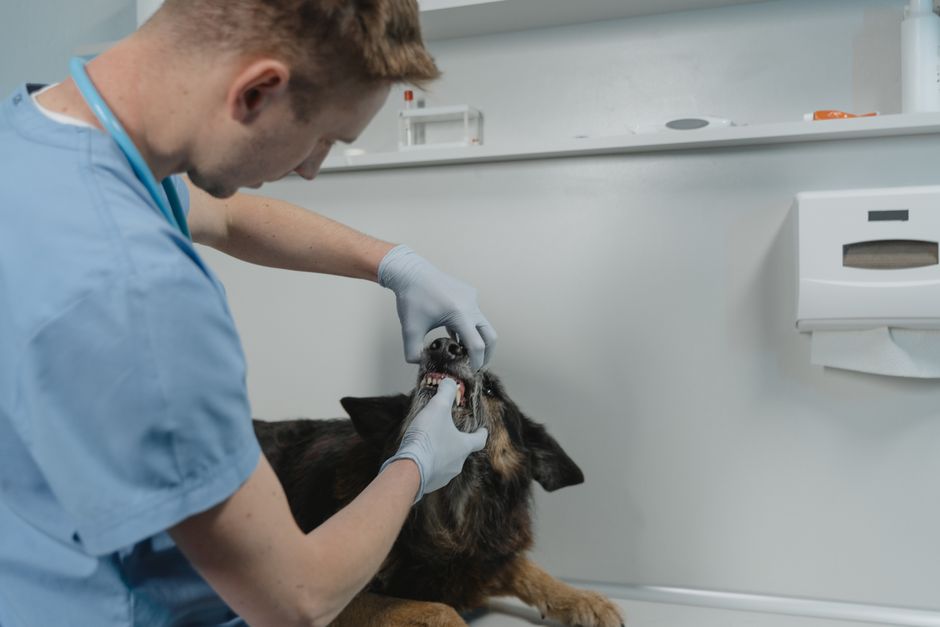
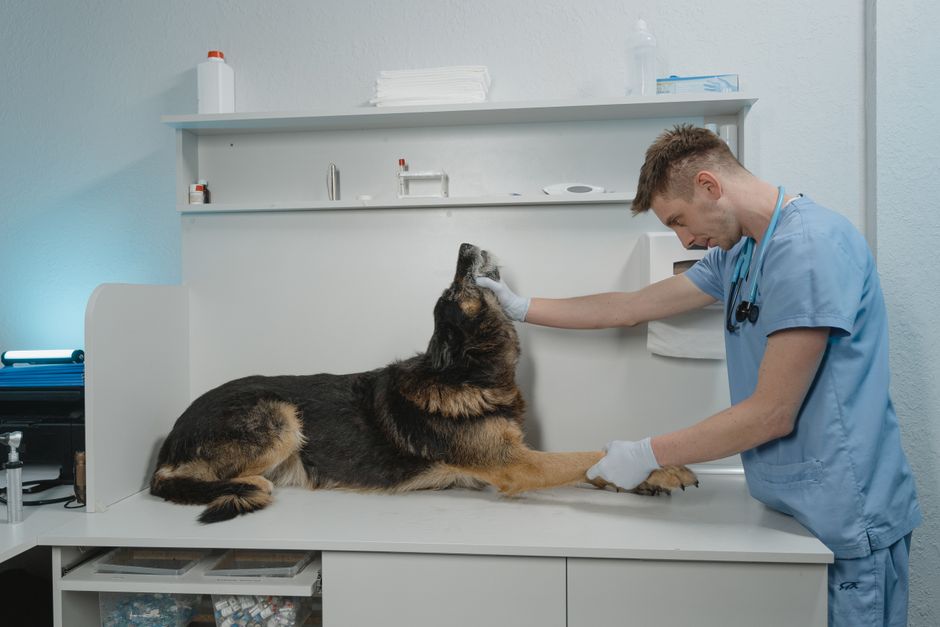
At Animal Dental Clinic, our veterinary dentistry specialists use advanced diagnostic and treatment tools to identify and address oral health problems that may be missed in a general wellness exam. When you schedule your pet’s dental checkup, our team will perform a comprehensive oral health assessment, which may include digital oral radiology for detecting dental disease below the gumline and, if indicated, a CBCT scan for advanced evaluation of teeth, jaws, and other oral structures.
We understand that many pet owners are concerned about the safety of anesthesia during dental procedures. Our veterinary team follows strict protocols for general anesthesia, and we encourage you to read about why anesthesia is important for safe and effective pet dentistry to better understand our approach. For most dental patients, anesthesia is essential to allow a thorough examination, dental cleaning, and any necessary treatments like extractions or oral surgery.
Treatment options at our specialty clinic range from professional dental cleaning and periodontal therapy to more advanced procedures such as endodontic treatment, exodontics, dental restoration, and oral surgery. Our goal is to resolve pain, infection, or functional problems before they become emergencies—especially important as winter weather may make travel more difficult or delay access to veterinary care.
How Preventive Dental Exams Protect Your Pet’s Comfort
A preventive dental exam before winter offers several benefits for your pet’s comfort and wellbeing. Early intervention can prevent painful dental disease from progressing and help your pet maintain a healthy appetite and normal behavior throughout the colder months. Timely dental care also reduces the risk of systemic infections, supports your pet’s immune system, and can even improve their quality of life by eliminating chronic oral discomfort.
During your visit to Animal Dental Clinic, you can expect our veterinary dentistry team to perform a thorough oral examination, discuss findings with you, and create a customized treatment plan if any issues are identified. We use state-of-the-art imaging and diagnostic tools, including CBCT scans and digital oral radiology, to gain a complete picture of your pet’s dental health. Our approach ensures that no hidden problems are missed, giving you peace of mind as winter approaches.
Home Dental Care Tips for the Winter Season
While professional veterinary dental care is essential for diagnosing and treating oral disease, there are steps you can take at home to support your pet’s dental health, especially during the winter months. Regularly brushing your dog or cat’s teeth with veterinarian-approved toothpaste helps reduce plaque and tartar buildup. Offering dental chews or toys designed for oral care can provide additional cleaning action; however, always choose options appropriate for your pet’s size and chewing habits.
Monitoring your pet’s eating habits and energy levels is important, as changes may signal the onset of dental discomfort. Make sure your pet has easy access to fresh, unfrozen water at all times, since staying hydrated is key to maintaining healthy saliva production. If your pet is reluctant to chew or seems to avoid certain foods, do not wait for the problem to resolve on its own—reach out for a professional evaluation before symptoms worsen.
For more information on proactive veterinary screening and maintaining your pet’s health, visit our pet health screening resources.
When to Seek Veterinary Dental Care
Prompt veterinary attention is vital if you notice signs such as ongoing bad breath, loose or missing teeth, bleeding from the mouth, swelling of the face or jaw, or obvious pain when eating. Dental emergencies are less common than gradual disease progression, but infections, abscesses, and oral injuries can quickly become urgent if left untreated. If you are unsure whether your pet’s symptoms require a specialist’s care, our team at Animal Dental Clinic is always available to answer your questions and help determine the best course of action.
Many general practice veterinarians refer patients to us for advanced dental procedures or when routine cleanings are not sufficient to address complex oral health issues. As a specialty veterinary dentistry and oral surgery practice, we work closely with referring veterinarians to ensure continuity of care for every patient.
Choosing the Right Veterinary Dentistry Specialist Near You
When searching for a veterinary dental specialist or "dentistry vet near me," it is important to choose a practice with advanced diagnostic capabilities, a highly trained veterinary team, and a compassionate approach to patient care. At Animal Dental Clinic, our Diplomate of the American Veterinary Dental College, along with our entire veterinary dentistry team, is committed to providing expert care for dogs and cats in Vienna and surrounding communities.
We encourage you to visit our overview of veterinary dental services to learn more about the comprehensive treatments we offer, from routine dental cleanings to complex oral surgery. Our clinic is conveniently located at 410 Maple Avenue West, Suite #1, Vienna, VA 22180, serving pets throughout the greater northern Virginia and Washington, D.C. region.
Schedule Your Pet’s Dental Checkup Before Winter Arrives
Protecting your pet’s oral health before winter is an investment in their comfort, happiness, and long-term wellbeing. By scheduling a comprehensive dental checkup now, you can address hidden problems before they cause pain or escalate during the colder months. Our specialty veterinary dentistry team at Animal Dental Clinic is ready to provide advanced, compassionate care for your pet.
If you are searching for a "dentistry vet near me," look no further than Animal Dental Clinic for experienced, specialized service. To schedule your pet’s dental evaluation or to learn more about our comprehensive oral health assessment and treatment, call us at (703) 281-2900 or visit us at 410 Maple Avenue West, Suite #1, Vienna, VA 22180. Give your dog or cat the gift of a healthy, pain-free mouth this winter—contact our veterinary dentistry team today.
This blog is intended for informational purposes only and does not replace professional veterinary care. Always consult a veterinary professional for advice specific to your pet’s needs.