Are Holiday Treats Harming Your Pet’s Teeth?
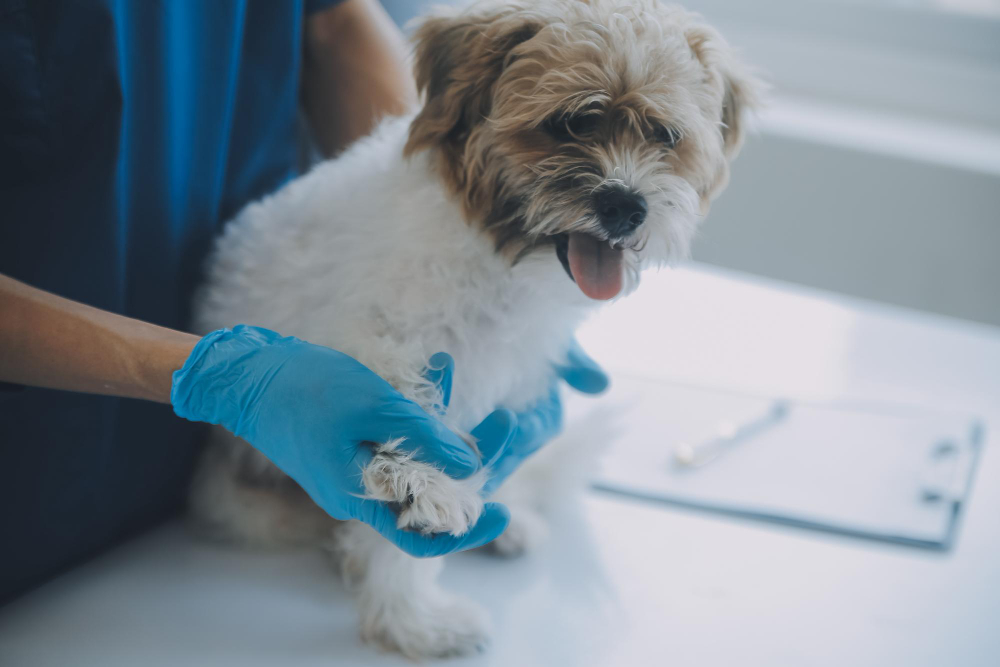
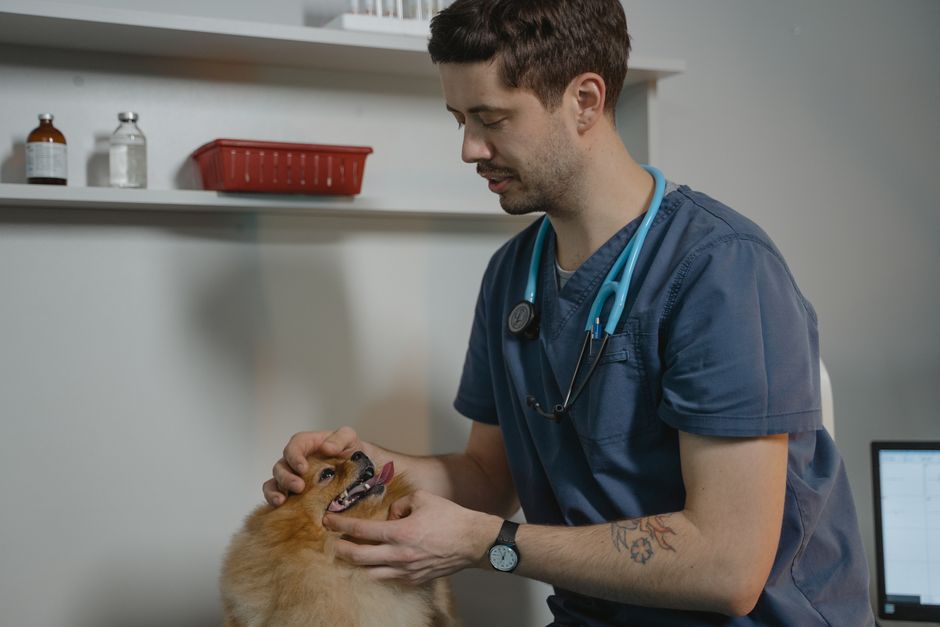
Are Holiday Treats Harming Your Pet’s Teeth?
The holiday season in Vienna is a time for celebration, family gatherings, and of course, delicious seasonal treats. While it’s tempting to share these goodies with your dog or cat, many pet owners are unaware of the impact holiday foods can have on their pets’ dental health. At Animal Dental Clinic, located at 410 Maple Avenue West, Suite #1, Vienna, VA 22180, our team of veterinary dental specialists frequently sees an uptick in oral health concerns during and after the holiday season. In this post, we’ll explore which holiday treats pose dental risks, signs that your dog or cat may be experiencing dental trouble, and how our advanced dental care services can help protect your pet’s smile. Whether you live in Vienna or one of the surrounding communities, understanding how to keep your pet’s teeth healthy during the holidays is essential for their comfort and wellbeing.
Recognizing the Signs: Is Your Pet’s Smile Suffering After the Holidays?
Holiday festivities often mean extra treats for everyone, but pets’ mouths are more sensitive than many realize. Recognizing early signs of dental trouble can help you address issues before they become painful or require advanced intervention. After holiday gatherings, you might notice that your dog or cat is hesitant to eat hard kibble, favors one side of their mouth when chewing, or even drops food while eating. Additional symptoms of dental problems include persistent bad breath, drooling more than usual, swelling around the mouth, or pawing at the face. In some cases, you may spot visible tartar buildup, bleeding gums, or broken teeth, especially if your pet has snuck a bone or hard treat from the holiday table.
Behavioral changes are often subtle. For example, a usually enthusiastic dog may seem less interested in chew toys, or a cat may avoid dry food altogether. These behaviors, particularly when coupled with changes in appetite or visible discomfort, may indicate underlying dental disease brought on or worsened by inappropriate treats. If you notice any of these signs, it’s important to consult with veterinary dental professionals who can provide a thorough evaluation and recommend the best course of action. For more details on what to watch for in dogs, you can review signs of dental trouble in dogs, including bad breath and swollen gums or learn about warning signs of feline dental pain, including reluctance to eat and pawing at the mouth.
Holiday Treats and Their Impact on Pet Dental Health
The foods that fill our tables and treat jars during the holidays are often rich, sticky, or hard—qualities that can spell trouble for your pet’s teeth. Many common holiday treats, such as turkey bones, ham hocks, or even certain cookies, are dangerous for dogs and cats. Hard bones and chewy candies can fracture teeth, while sugary treats contribute to plaque buildup and eventual gum disease. Even cooked bones, which may seem harmless, can splinter and cause both oral injuries and digestive issues.
Dried fruits, chocolate, and xylitol-containing baked goods are toxic to pets, but even seemingly pet-safe snacks like cheese or fatty meats can increase the risk of dental disease by leaving residues that feed oral bacteria. During Thanksgiving and other festive meals, pets may also gain access to the trash or be given table scraps by well-meaning guests. These foods can quickly undo months of good dental care, leading to sudden onset pain or infections that require prompt attention from a veterinary dental specialist.
It’s not just accidental ingestion that poses a threat; many store-bought pet treats marketed as “holiday specials” are denser or harder than regular treats, increasing the risk of broken teeth. Chews that are overly hard—such as antlers, hooves, or nylon bones—are frequent culprits in dental fractures. The general rule of thumb is that if you can’t make an indentation in a treat with your fingernail, it may be too hard for your pet’s teeth.
Professional Dental Care: How Animal Dental Clinic Helps Pets Recover
When dental issues arise, prompt and specialized care is essential to restore comfort and prevent complications. At Animal Dental Clinic, we are equipped with advanced diagnostic tools and a wide array of treatments tailored specifically for dogs and cats. Our comprehensive oral health assessments utilize digital oral radiology and CBCT scans to detect hidden problems, such as tooth root abscesses or jaw fractures, that may result from chewing on inappropriate treats.
For pets suffering from chipped, fractured, or broken teeth after the holidays, treatment options involve dental repair, endodontic therapy (root canal), or extraction, depending on the severity and location of the injury. In cases where infection or severe damage has occurred, our veterinarians may recommend oral surgery or specialized procedures to remove diseased tissue and restore function. We also offer prosthodontic solutions for pets who require restoration after tooth loss, ensuring that your pet can return to eating comfortably and living pain-free.
Our veterinary dental team focuses exclusively on oral health, providing a referral resource for primary care veterinarians in Vienna and the surrounding area. If your pet has experienced an oral injury or you notice ongoing discomfort after the holidays, a comprehensive oral health assessment and treatment for pets can identify the root of the problem and set your pet on the path to recovery. For those facing broken or fractured teeth, more information on dental repair for chipped or fractured pet teeth is available.
Prevention: Keeping Your Pet’s Teeth Safe During the Holidays
While it’s natural to want to include your dog or cat in holiday festivities, prevention is always the best approach. The most effective way to protect your pet’s dental health is to avoid giving table scraps or bones, no matter how pleading those eyes may be. Instead, offer vet-approved dental treats that are designed to clean teeth without risking fractures. Many dental chews have been formulated to reduce plaque and tartar, but it’s important to select products that match your pet’s chewing style and dental health needs.
Regular home care is also key. Brushing your pet’s teeth daily, or at least several times per week, helps to remove food debris and prevent plaque buildup. If you’re unsure about proper technique or which products are best, the team at Animal Dental Clinic provides products and resources for maintaining pets' oral health at home as well as pet dental care instruction and how-to videos to guide you. Establishing a routine early in your pet’s life can make dental care easier and more effective.
Monitoring your pet after gatherings and ensuring they don’t have access to the trash or leftovers can further decrease the odds of dental mishaps. If guests are visiting, remind them to avoid feeding your pets from the table and keep tempting foods out of reach. By staying vigilant, you can enjoy the season while keeping your pet’s smile healthy.
When to Seek Veterinary Dental Care
Not every dental issue can be managed at home, and timely intervention is crucial when signs of pain or injury appear. If your pet exhibits symptoms such as persistent bad breath, difficulty eating, bleeding from the mouth, or visible tooth damage, it’s time to reach out to a veterinary dental specialist. Sudden behavioral changes, such as hiding, reluctance to play, or aggression when touching the face, may also point to discomfort that requires professional attention.
At Animal Dental Clinic, our veterinary dental team is dedicated to diagnosing and treating complex oral health problems that may result from holiday indulgences. We work in collaboration with your regular veterinarian to ensure your pet receives the specialized care they need. Whether your pet needs an assessment for a fractured tooth, extraction, or advanced oral surgery, our team in Vienna is equipped to provide comprehensive support. If you are ever uncertain, our frequently asked questions about veterinary dental care page can help, or you can contact us directly for guidance.
Keeping Your Pet’s Smile Bright: Take Action This Holiday Season
The holidays should be a joyful time for the entire family, including your four-legged companions. By staying informed about the risks of holiday treats, recognizing signs of dental problems, and seeking timely professional care, you can help ensure your dog or cat enjoys a pain-free season. At Animal Dental Clinic in Vienna, our dedicated veterinary dental specialists are here to support your pet’s oral health all year long.
If you have concerns about your pet’s teeth after the holidays or want to schedule a comprehensive evaluation, reach out to our veterinary dental team at Animal Dental Clinic or call (703) 451-8900. You can also visit us at 410 Maple Avenue West, Suite #1, Vienna, VA 22180. When searching for a specialty dentistry vet near me, trust our expertise to keep your pet’s smile healthy and bright. From preventive advice to advanced dental procedures, we are committed to providing the best possible care for your pets in Vienna and surrounding communities.