How to Recognize Dental Pain in Dogs and Cats
How to Recognize Dental Pain in Dogs and Cats
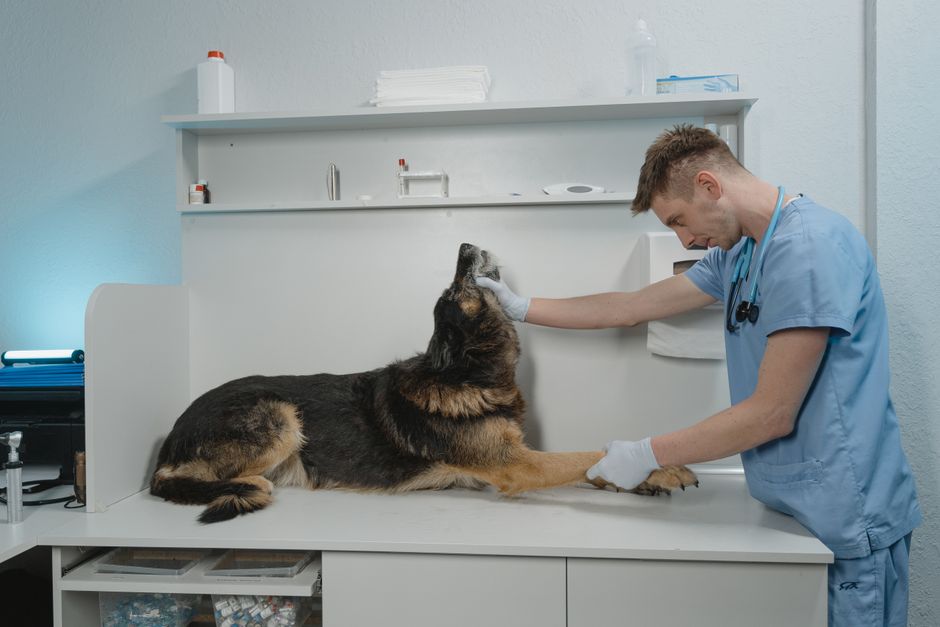
Dental pain in dogs and cats is more common than many pet owners realize. Because our pets cannot tell us when something hurts, they often suffer in silence, masking signs of discomfort until the problem has become advanced. At Animal Dental Clinic in Vienna, VA, our veterinary dental specialists see firsthand how hidden dental pain can affect the comfort, health, and quality of life of dogs and cats. As the weather cools and we settle into fall routines, now is the perfect time to learn how to spot the subtle (and not-so-subtle) signs that your pet may be experiencing oral discomfort. In this guide, we will explain the symptoms of dental pain, why timely detection matters, what causes these issues, and how advanced veterinary dentistry can restore your pet’s health and happiness.
If you are worried that your dog or cat may be hiding oral pain, understanding the warning signs and knowing when to seek help can make all the difference. Our team at Animal Dental Clinic is here to provide expert care and guidance for pet owners in Vienna and surrounding communities.
Recognizing the Signs of Dental Pain in Your Pet
Dental pain in dogs and cats often goes unnoticed because animals instinctively hide discomfort. However, attentive pet owners can pick up on subtle changes in behavior, appetite, and appearance that may point to an underlying problem.
Key symptoms of dental pain include reduced interest in eating, especially hard food or treats, and a tendency to chew on one side of the mouth. You may notice your dog or cat dropping food, eating more slowly, or suddenly showing reluctance to play with toys that require biting. Other warning signs are excessive drooling, bad breath, and visible changes like red or swollen gums. Some pets may paw at their face, rub their mouth against furniture, or become more withdrawn or irritable. In cats, reluctance to eat or pawing at the mouth is a classic indicator, as discussed further in our resource on feline dental pain and tooth resorption. In dogs, persistent bad breath, swollen gums, or even a broken tooth can all signal significant discomfort; more details are available in our page on signs of dental disease in dogs.
Additionally, certain conditions like severe redness of the gums or drooling may point to more advanced issues such as stomatitis in cats. You can read about these concerning symptoms in our guide to feline stomatitis and oral discomfort.
Why Dental Pain Happens: Causes and Contributing Factors
Understanding what leads to dental pain in dogs and cats can help you prevent problems before they start. The most common underlying cause is periodontal disease, which develops when plaque and tartar accumulate along the gumline. Over time, this chronic inflammation damages the gums, ligaments, and bone that support the teeth, eventually leading to loose, painful teeth and infection.
Other frequent sources of oral pain include fractured or chipped teeth, which can occur when pets chew on hard objects or suffer trauma. In dogs, broken or fractured teeth are a common cause of sudden discomfort that may require immediate attention, as explained in our article on recognizing and addressing broken teeth in dogs. Tooth resorption, a process where the body breaks down tooth structure from within, is especially common in cats and leads to significant pain as lesions progress. Additional causes are oral tumors, retained baby teeth, malocclusions, and conditions like stomatitis, which can make even gentle contact with the mouth extremely painful.
Some pets are more prone to dental issues due to genetics, age, or underlying medical conditions such as diabetes or kidney disease. Small breed dogs and flat-faced cats often have crowded teeth, making them more susceptible to plaque buildup and gum inflammation.
Professional Treatment Options for Dental Pain
Once dental pain is identified, prompt veterinary care is essential to restore comfort and prevent further complications. At Animal Dental Clinic, our board-certified veterinary dental specialists offer a full range of advanced diagnostic and therapeutic options tailored to your pet’s unique needs.
A Comprehensive Oral Health Assessment and Treatment (COHAT) is the gold standard for evaluating and treating dental disease in pets. This procedure involves a thorough examination of each tooth, dental charting, and digital oral radiographs to detect problems hidden below the gumline. Learn more about the importance of a comprehensive oral health assessment and treatment for pets and how it guides personalized care.
Treatment approaches depend on the severity and type of dental problem. For moderate to severe periodontal disease, dental cleaning under anesthesia, root planing, and extraction of unsalvageable teeth may be required. Fractured or damaged teeth can often be preserved with endodontic treatment such as root canal or pulp therapy, which relieves pain while maintaining function. In cases of advanced disease, pet tooth extraction services may be the best option to eliminate discomfort and infection. For chipped or fractured teeth that can be saved, dental repair for dogs and cats helps restore both comfort and aesthetics.
Our practice uses digital oral radiology to accurately diagnose hidden dental and oral problems, ensuring that no painful condition goes untreated. All procedures are performed under general anesthesia to maximize your pet’s safety and comfort; if you have concerns about anesthesia, our resource on why anesthesia is essential for veterinary dental care explains our protocols and standards.
Preventing Dental Pain: Home Care and Maintenance
While some dental problems stem from genetics or unavoidable factors, many cases of dental pain can be prevented with proactive home care and regular professional assessment. Brushing your pet’s teeth daily, or as often as possible, is the most effective way to minimize plaque and tartar buildup. Use a pet-specific toothbrush and veterinary toothpaste to gently clean along the gumline, rewarding your pet with praise and treats for cooperation.
Incorporating dental chews, prescription dental diets, and water additives can further support oral health, although these products should never replace brushing or veterinary cleanings. Monitor your dog or cat’s mouth regularly for changes in odor, color, swelling, or bleeding, and be aware of subtle shifts in eating habits or behavior.
Regular dental checkups with a veterinary dental specialist are essential, as many painful conditions are not visible during a routine exam or at home. Scheduling periodic comprehensive oral health assessments and treatment allows early detection and intervention before problems progress. Our team in Vienna is committed to partnering with you to maintain your pet’s oral comfort and overall wellbeing.
When to Seek Veterinary Dental Care
Knowing when to seek professional help is critical for your pet’s quality of life. If you notice any of the symptoms discussed above—especially reluctance to eat, pawing at the mouth, foul breath, drooling, bleeding, or visible injury to the teeth or gums—it is time to contact a veterinary dental specialist.
Immediate attention is warranted if your pet has a broken or loose tooth, severe swelling, bleeding that doesn’t stop, or shows signs of obvious pain such as crying out, hiding, or aggression when their face is touched. Delaying care can allow infections to spread, cause irreversible damage, and prolong your pet’s suffering.
Because many dental problems are hidden beneath the gumline, even pets without obvious symptoms can benefit from a thorough dental evaluation. Our veterinary dental team in Vienna, VA is available to provide specialized diagnostics and treatment for dogs and cats referred by your primary veterinarian or whenever you have concerns about your pet’s oral health.
Compassionate Dental Care for Dogs and Cats in Vienna
Dental pain can significantly impact your pet’s happiness, appetite, and ability to enjoy life, but with timely recognition and specialized treatment, most pets can return to comfort and health. By watching for subtle changes in your dog or cat’s eating habits, breath, and behavior, you can help catch dental problems before they become severe. Proactive home care and regular visits with our veterinary dental specialists are the best ways to keep your pet’s smile healthy year-round.
If you are searching for a specialty dental vet near me, Animal Dental Clinic is here to help. Our experienced veterinary dental team is dedicated to providing advanced, compassionate care for dogs and cats in Vienna and surrounding communities. To schedule a consultation or learn more about our services, call us at (703) 451-8900 or visit our location at 410 Maple Avenue West, Suite #1, Vienna, VA 22180.
For additional resources on recognizing dental disease in dogs, feline tooth resorption, and comprehensive dental care for pets, please explore our articles on signs of dental disease in dogs, feline dental pain and tooth resorption, and comprehensive oral health assessment and treatment for pets.
Your pet’s comfort and wellbeing are our top priorities. Let our veterinary dental professionals help keep your dog or cat’s mouth healthy, pain-free, and ready for all the joys this season has to offer.