Cold Weather and Your Pet’s Dental Health: November Risks Explained

Cold Weather and Your Pet’s Dental Health: November Risks Explained
As the crisp autumn air settles into Vienna, VA and the surrounding communities, you may find yourself wondering how the drop in temperature could impact your dog or cat’s dental health. November marks the beginning of the colder months, and while you might be focused on keeping your pet warm and cozy, it is important not to overlook the effects cold weather can have on their teeth and gums. At Animal Dental Clinic, located at 410 Maple Avenue West, Suite #1, Vienna, VA 22180, our team of veterinary dental specialists is dedicated to helping your pet maintain optimal oral health all year long. In this blog, we will explain why November brings unique dental risks for pets, review the signs of dental discomfort to watch for, and discuss advanced treatment options available at our clinic. We will also provide practical tips for home care and guidance on when it is time to seek professional help.
Recognizing Dental Problems in Your Pet During Cold Weather
Many pet owners notice subtle changes in their dog or cat’s behavior as the seasons shift. While some pets may relish the brisk air, others become more reserved, which can make it harder to detect early warning signs of dental problems. Cold weather can exacerbate existing dental issues, making pain or sensitivity more noticeable. Some key symptoms that your pet may be experiencing dental discomfort include reluctance to eat hard food, chewing on one side of the mouth, pawing at the face, drooling, or even a sudden aversion to having their mouth touched. In some cases, you might notice visible swelling around the jaw, bleeding gums, or persistent bad breath. For cats, behaviors such as dropping food, hiding more than usual, or pawing at the mouth can signal serious dental conditions like tooth resorption. For a more detailed description of what to watch for in feline dental issues, you can refer to our guide on signs of feline tooth resorption, such as reluctance to eat and pawing at the mouth. Timely recognition of these symptoms is crucial, as untreated dental pain can quickly worsen, especially in the colder months when pets may be less active and hide their discomfort.
Why Dental Pain Can Be Worse in Colder Months
Just like people, pets may experience increased tooth sensitivity or discomfort when the weather turns chilly. Cold air can cause inflamed gums or exposed nerves to ache more intensely, making underlying dental problems more apparent. This is especially true for pets with untreated dental disease, cracked teeth, or loose restorations. Cold temperatures can also contribute to mild dehydration if pets drink less water, which may reduce saliva flow and make their mouths more prone to plaque and tartar buildup. As a result, issues such as gingivitis, tooth fractures, and oral infections can become more pronounced in November and throughout the winter. If you notice your pet hesitating to eat or play with chew toys, or if they seem guarded about their mouth, it is important to pay attention, as these could be signs that cold weather is making an existing problem worse.
Understanding Why Cold Weather Increases Dental Risks for Pets
You may wonder why November and the colder months pose additional risks for your pet’s dental health. Several factors come into play as temperatures drop. First, pets often spend more time indoors and may be less active, which can subtly change their eating and drinking habits. Some pets may eat fewer crunchy foods or treats, which normally help clean their teeth, while others might develop pickier eating patterns due to discomfort. Dry indoor air from heating systems can also lead to dehydration, resulting in less saliva to naturally wash away bacteria and food debris. When saliva production decreases, harmful bacteria have more opportunity to accumulate, increasing the risk of plaque formation, gingivitis, and eventual periodontal disease.
Additionally, cold weather can make pre-existing dental conditions more uncomfortable for your pet. For example, a minor tooth fracture that was barely noticeable in the summer might become sensitive or painful as colder air irritates exposed nerves. Gum inflammation may also worsen, particularly if your pet drinks less water and oral tissues become drier. Dogs and cats with compromised immune systems, such as senior pets, are at even greater risk during the colder months, as their bodies may not be as effective at fighting off oral infections. For more information about dental care for older pets, our resource on specialty dental care and anesthesia considerations for senior or high-risk pets may be helpful.
The Role of Dental Disease in Seasonal Discomfort
When dental disease is present, cold weather can intensify discomfort. For instance, pets with exposed pulp in a broken tooth may react more strongly to cold water or air, demonstrating sudden distress or vocalization. Gum disease, already a leading cause of bad breath and tooth loss in pets, can progress more rapidly if not addressed promptly. Recognizing and managing these risks early in the season can help your pet stay comfortable and healthy all winter long.
Advanced Dental Treatment Options for Pets This November
If your dog or cat is showing signs of dental discomfort, the best course of action is to seek evaluation by a veterinary dental specialist. At Animal Dental Clinic, our team offers a comprehensive suite of advanced dental services for pets in Vienna, VA and the surrounding area.
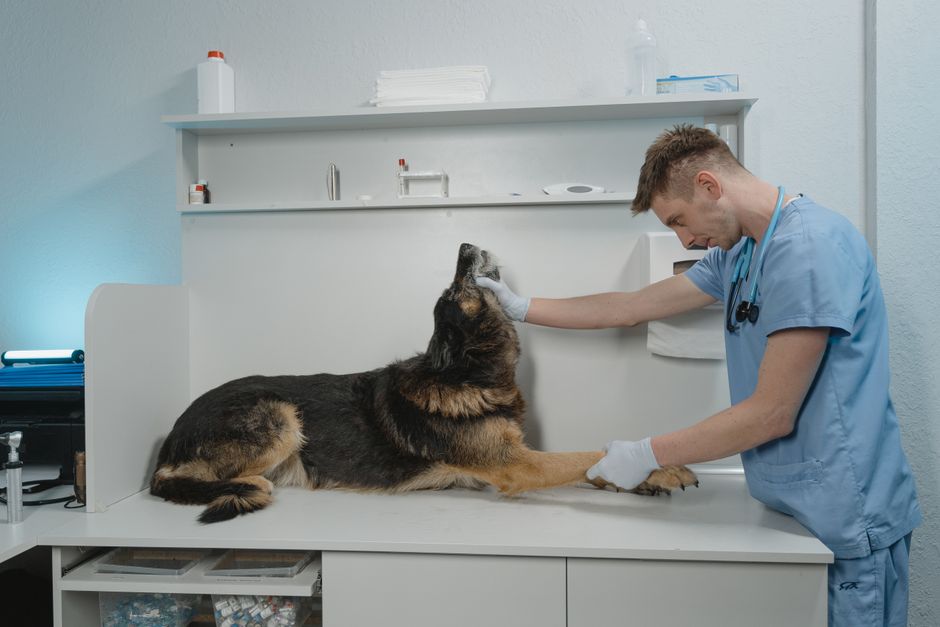
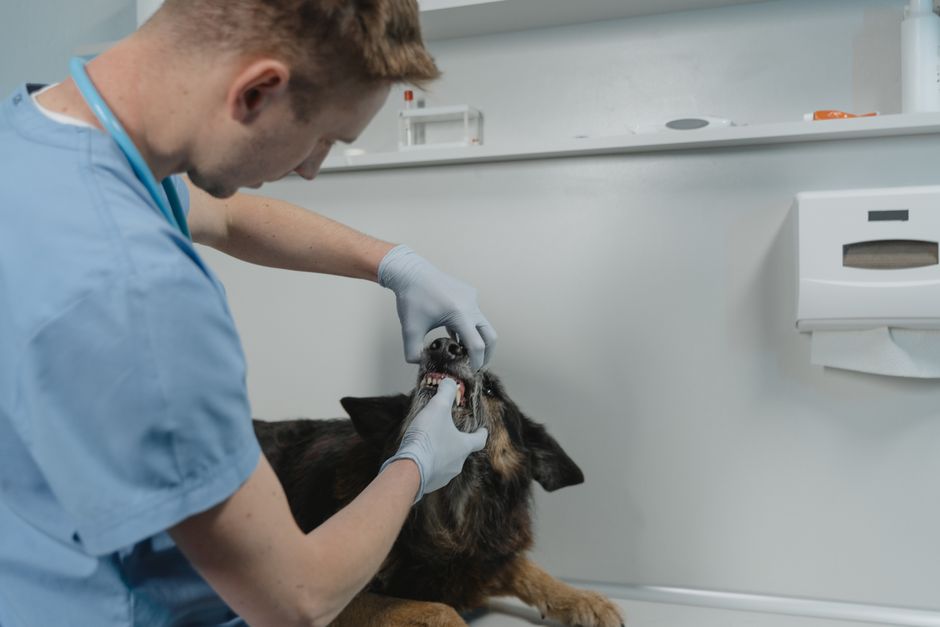
A typical visit begins with a thorough comprehensive oral health assessment and treatment, which allows our veterinarians to identify the root cause of your pet’s discomfort. This evaluation may include the use of digital oral radiology for diagnosing dental problems in pets to identify hidden issues, or CBCT scanning for advanced diagnostic imaging in veterinary dentistry when more detailed images are needed. These diagnostic tools help ensure that even subtle or hard-to-find problems are detected early.
Treatment approaches depend on the underlying issue. For example, dental repair for chipped or fractured teeth might involve dental repair procedures, while more severe cases could require veterinary tooth extraction services for pets with painful or diseased teeth. In cases where infection has reached the tooth’s pulp, advanced root canal therapy may be considered. Throughout every procedure, our veterinary dental team uses general anesthesia services supporting safe and effective pet dental procedures to ensure your pet’s comfort and safety. For situations involving complex oral surgery, such as jaw fractures or tumor removal, our specialists are equipped with the expertise and technology needed for specialized oral surgery for advanced dental conditions and infections in pets.
Why Choose a Veterinary Dental Specialist in Vienna, VA
General practice veterinarians are skilled in many aspects of pet care, but dental specialists have advanced training in diagnosing and treating complex oral health issues. At Animal Dental Clinic, our Diplomate of the American Veterinary Dental College leads a team dedicated exclusively to veterinary dentistry and oral surgery. This specialized focus ensures your pet receives the most current, effective treatment available, especially when advanced diagnostics or procedures are needed to address pain and restore comfort.
Home Care Strategies to Support Your Pet’s Dental Health in Cold Weather
While professional treatment is critical for established dental problems, preventive care at home plays a vital role in protecting your pet’s oral health during the colder months. As November temperatures drop, consider these steps to help reduce the risk of dental disease for your dog or cat.
First, maintain a consistent oral hygiene routine. This includes daily or regular tooth brushing with pet-safe toothpaste, which helps remove plaque before it hardens into tartar. If your pet resists brushing, explore other veterinarian-approved dental products, such as dental chews, rinses, or water additives. For guidance on safe and effective options, you can review our recommendations for at-home products and strategies to support ongoing pet dental care.
Ensure your pet has access to fresh, clean water at all times, and monitor their intake, as cold weather can sometimes lead to reduced drinking. Encourage your pet to chew on safe dental toys or treats that help clean their teeth, but avoid anything too hard that could cause tooth fractures. Regularly inspect your pet’s mouth for signs of inflammation, discoloration, or broken teeth, and note any changes in eating habits or behavior.
For pets who have had dental procedures, follow your veterinary dental team’s post-treatment care instructions carefully. This often includes recommendations for soft foods during the healing period and advice on when to resume normal oral hygiene routines.
Adapting Your Routine for the Season
The holiday season often brings changes to household routines, including the introduction of new foods and treats. Be cautious about giving your pet leftover bones, hard treats, or anything that could splinter and damage their teeth. Keeping your pet’s dental routine consistent, even when schedules are busy, goes a long way toward preventing dental emergencies during the winter.
When to Seek Veterinary Dental Care This November
It can be challenging to determine when home care is sufficient and when your pet needs professional attention. If you notice persistent bad breath, visible tartar, red or bleeding gums, loose or broken teeth, or any ongoing changes in eating or behavior, it is time to schedule an appointment with a veterinary dental specialist. Other warning signs that warrant immediate evaluation include swelling near the jaw or eyes, pus or discharge from the mouth, or any indication of severe pain, such as vocalizing or sudden aggression when the face is touched. For a more detailed overview of what to watch for, our page on warning signs of dental disease in dogs, including bad breath and swollen gums can provide valuable insight.
November is an excellent time for a dental check-up, as addressing minor issues early can prevent more significant problems as the winter progresses. If your pet is a senior or has existing health conditions, specialized evaluation and anesthesia monitoring may be particularly important; our veterinary dental team is experienced in managing high-risk cases with the utmost care and safety.
If you are searching online for a "dentistry vet near me" because your pet is suddenly showing signs of oral discomfort, rest assured that Animal Dental Clinic in Vienna, VA is equipped to provide advanced care tailored to your pet’s needs. Prompt intervention can make a significant difference in your pet’s comfort and long-term health.
Keeping Your Pet’s Smile Healthy All Winter: Your Next Steps
As the cold weather settles in this November, being proactive about your pet’s dental health is one of the best ways to ensure their comfort and wellbeing through the winter. By recognizing early warning signs, understanding how seasonal changes can impact dental health, and maintaining a consistent home care routine, you can help your dog or cat avoid unnecessary pain and complications. If you have any concerns about your pet’s teeth or gums, or if it has been more than a year since their last dental evaluation, we encourage you to reach out to our team of veterinary dental specialists for a comprehensive assessment.
Animal Dental Clinic is proud to serve Vienna, VA and the surrounding communities with expert dental and oral surgery services for pets. To schedule an appointment or discuss your pet’s needs, please call (703) 281-5900 or visit us at 410 Maple Avenue West, Suite #1, Vienna, VA 22180. When you need a dentistry vet near me you can trust, our specialized team is here to help your pet maintain a healthy, happy smile all year long.
If you are ready to take the next step for your pet’s oral health, explore our comprehensive oral health assessment and treatment options or learn more about at-home products and strategies to support ongoing pet dental care. Together, we can ensure your pet enjoys a comfortable, pain-free winter and a bright, healthy future.