Recognizing Signs of Pet Oral Pain During Late Summer
.jpg)
Recognizing Signs of Pet Oral Pain During Late Summer
As summer settles into its final stretch in Vienna and the surrounding communities, many pet owners notice subtle changes in their dogs and cats. Perhaps your usually social cat is hiding more in the humid August afternoons, or your dog seems less eager to finish dinner. While it might be tempting to attribute these shifts to the heat, it is important not to overlook another possibility: oral pain. At Animal Dental Clinic, located at 410 Maple Avenue West, Suite #1, Vienna, VA 22180, our team of board-certified veterinary dentists specializes exclusively in advanced dental care and oral surgery for pets. We understand how challenging it can be for pet owners to spot the often-hidden signs of dental discomfort, especially as pets instinctively mask their pain.
In this blog, we will help you recognize the subtle signs of oral pain in your pet during late summer, explain why these issues can be more common or noticeable at this time of year, and discuss how advanced diagnostics and treatment at a specialty dental clinic can restore your pet’s comfort and well-being. You will also learn when it is time to seek professional help from a veterinary dentist and what you can do at home to support your pet’s oral health. Whether you are in Vienna, Oakton, Tysons, or nearby, Animal Dental Clinic is here to provide the expertise your pet deserves.
How to Recognize Signs of Oral Pain in Pets
Oral pain in pets often goes unnoticed until it becomes severe, as dogs and cats are experts at hiding discomfort. Recognizing the signs early can make a significant difference in both your pet’s quality of life and the success of treatment.
Symptoms of oral pain include a decrease in appetite or dropping food while eating, which may appear as your dog hesitating before taking a treat or your cat nibbling at kibble but leaving most of it behind. Other indicators are increased drooling, sometimes tinged with blood, pawing at the mouth, or rubbing the face against furniture or the floor. Bad breath is another common sign, as are changes in behavior such as withdrawal, irritability, or avoiding play and interaction. In some cases, you might notice swelling around the face or jaw, or even visible broken or discolored teeth.
It is important to remember that these symptoms can be subtle, especially in the early stages. For example, a dog might simply eat more slowly, or a cat may become less vocal. If you notice any of these changes, it can be helpful to keep a journal of what you observe, including when the symptoms started and how they progress. This record is invaluable when you visit a veterinary dental specialist.
Why Oral Pain Can Worsen or Become Apparent in Late Summer
Late summer in northern Virginia brings high humidity and lingering heat, both of which can mask or amplify signs of oral pain in pets. Many pets drink more water to stay cool, which might temporarily soothe irritated gums but does not address underlying issues. Additionally, changes in household routines—such as back-to-school schedules or late-summer travel—can make it easier to miss subtle shifts in your pet’s eating habits or demeanor.
Certain dental problems, like periodontal disease or abscessed teeth, may worsen with seasonal changes. Higher humidity can encourage bacterial growth in the mouth, potentially accelerating dental disease. If your pet tends to chew on harder treats or toys during summer outdoor play, the risk of fractured teeth increases. Broken or worn teeth can expose sensitive nerves, causing acute or chronic pain.
Dental issues do not resolve on their own and often progress without obvious signs. By the time a pet shows clear discomfort, significant damage may have occurred. That is why regular dental evaluation is crucial, especially when subtle changes emerge during the warmer months.
Advanced Diagnostics and Treatment at a Specialty Dental Clinic
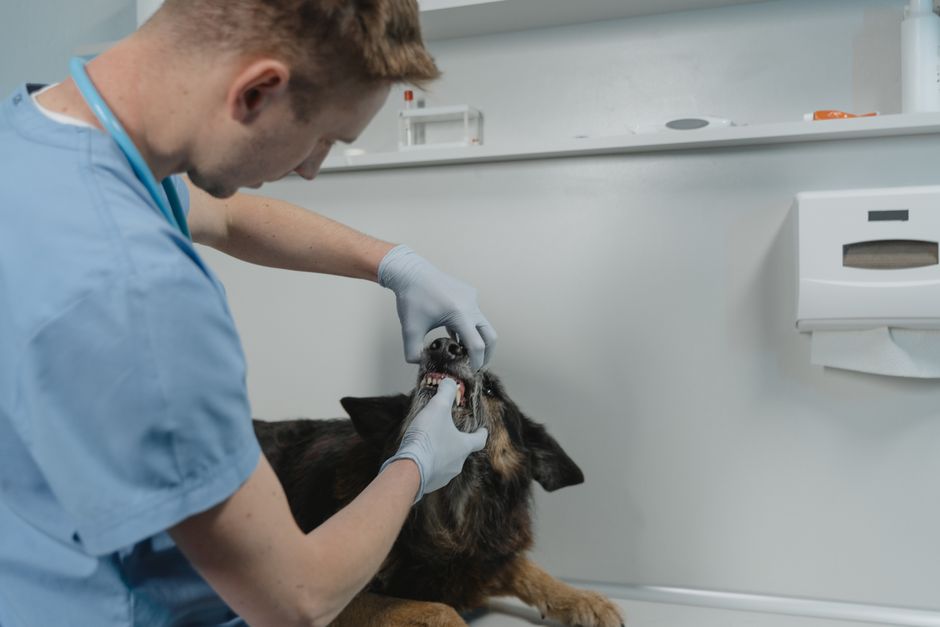
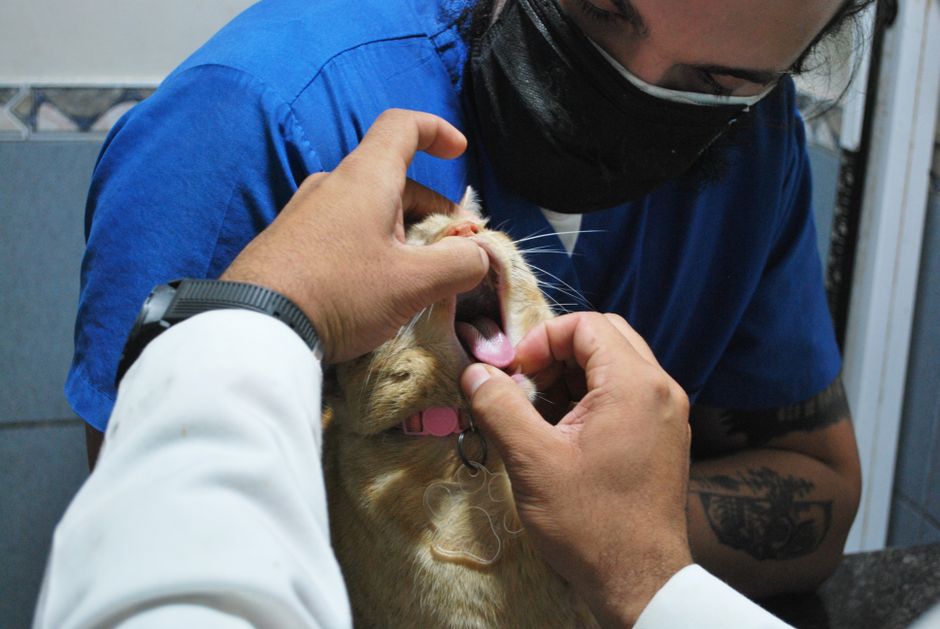
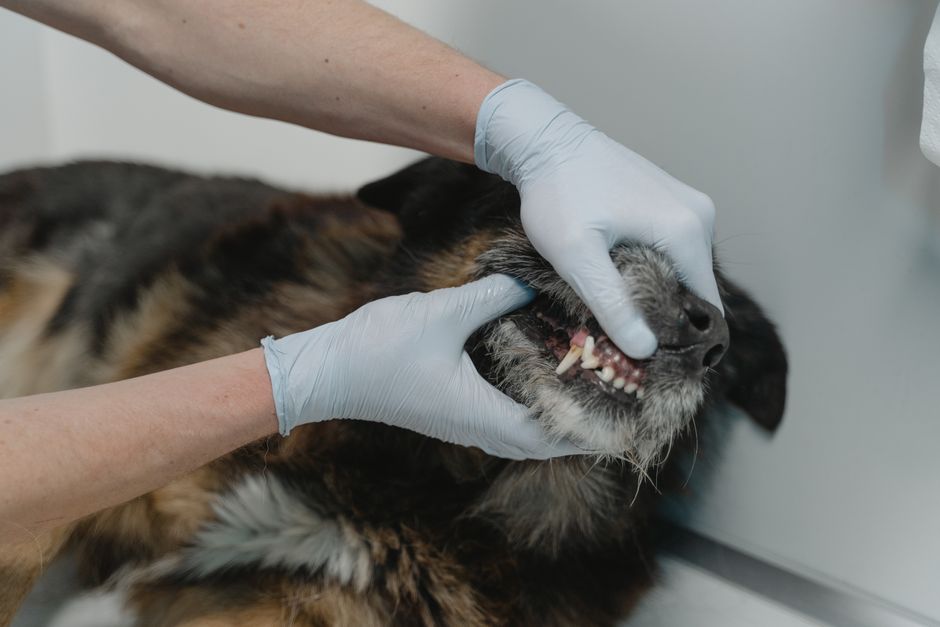
When your pet is showing signs of oral pain, a comprehensive evaluation by a veterinary dental specialist is essential. At Animal Dental Clinic, our advanced approach begins with a thorough oral examination under general anesthesia. This allows our veterinary dentists to assess every aspect of your pet's mouth safely and comfortably. If you would like to learn more about why anesthesia is necessary for a complete evaluation, you can read about the importance of anesthesia for pet dental care.
Our diagnostic capabilities go far beyond what is available at most general veterinary practices. We utilize digital oral radiology and cone-beam computed tomography (CBCT) scans to identify hidden issues such as root abscesses, bone loss, and tumors that may not be visible during a standard oral exam. For pets with complex or chronic dental problems, our diagnostic laboratory services provide in-depth testing to guide precise treatment plans.
Treatment options at our specialty clinic are tailored to each pet’s needs. Approaches may include advanced dental repair techniques to save damaged teeth, endodontic procedures like root canal therapy to address painful infections, or even oral surgery to remove diseased tissue and restore function. For cases where extraction is required, our teeth extractions service ensures your pet’s comfort and minimizes recovery time. Every procedure is performed with the latest technology, always prioritizing your pet’s safety and well-being.
How Pet Owners Can Support Oral Health at Home
While advanced treatment is sometimes necessary, prevention and early detection remain the best ways to protect your pet’s oral health. At home, brushing your pet’s teeth regularly with a veterinarian-approved toothpaste can help reduce plaque buildup and delay the progression of periodontal disease. Offering dental chews or toys designed to promote oral hygiene can also be beneficial, but it is important to choose products that are safe and appropriate for your pet’s size and chewing style.
Monitoring your pet for changes in eating habits, drooling, breath, or behavior—especially during the late summer months—can help you catch problems early. If your pet resists having its mouth handled or if you notice any visible changes such as red or swollen gums, broken teeth, or oral bleeding, it is time to consult a veterinary dental specialist.
Scheduling regular dental evaluations, even when your pet appears healthy, is a proactive step. These visits allow our veterinary team to detect and address minor issues before they develop into more serious and painful conditions. You can learn more about what to expect from a comprehensive oral health assessment and treatment at Animal Dental Clinic.
When to Seek Veterinary Dental Care
Knowing when to seek professional help is key to protecting your pet from unnecessary pain and long-term complications. If your pet shows persistent signs of oral discomfort, such as ongoing refusal to eat, significant drooling, facial swelling, or visible oral bleeding, immediate evaluation is warranted. Sudden changes, like a pet yelping or withdrawing when touched near the mouth, should never be ignored.
Even if symptoms seem mild or intermittent, a veterinary dental specialist can identify underlying problems that may not be obvious to a general practitioner. Referrals from your primary care veterinarian are always welcome, and our team works collaboratively to ensure your pet receives the most advanced dental care available.
Prompt intervention not only relieves pain but can also prevent the spread of infection to other organs, including the heart and kidneys. Our advanced diagnostic tools and expertise in veterinary dentistry and oral surgery make Animal Dental Clinic the trusted resource for pet dental health in Vienna and the greater Washington, D.C. area.
Supporting Your Pet’s Comfort Year-Round
Late summer is the perfect time to reassess your pet’s oral health and ensure they are ready for the season ahead. By staying alert to subtle changes in behavior, appetite, or mouth appearance, you can help your pet avoid unnecessary pain and complications. Remember that many dental problems are silent until they become severe, and professional evaluation is the best way to safeguard your pet’s comfort and health.
If you have noticed any signs of oral discomfort or simply want to schedule a preventive dental assessment, Animal Dental Clinic is here to help. Reach out to our veterinary dental specialists at (703) 281-5900 or visit us at 410 Maple Avenue West, Suite #1, Vienna, VA 22180. When searching for a dentistry vet near me, choosing a board-certified team with advanced diagnostic and treatment capabilities ensures your pet receives the highest standard of care.
Your pet’s comfort is our top priority. Our veterinary dental team is committed to providing gentle, expert care with compassion and respect for every patient. For more information about our specialized services or to read more about pet dental health, explore our blog or see all veterinary dental services at Animal Dental Clinic. If you have concerns, do not delay—contact us today and let us help your pet smile again.
This article is for informational purposes only and does not substitute for professional veterinary advice. If you are concerned about your pet's health, always consult directly with a veterinary specialist.