When Does Your Pet Need a Veterinary Dental Specialist?
When Does Your Pet Need a Veterinary Dental Specialist?
If you have ever wondered whether your dog or cat needs more than just a routine dental cleaning, you are not alone. Many pet owners in Vienna and surrounding communities want the best oral health care for their companions, but it can be difficult to know when advanced dental expertise is necessary. At Animal Dental Clinic, located at 410 Maple Avenue West, Suite #1, Vienna, VA 22180, our board-certified veterinary dental specialists provide advanced dentistry and oral surgery exclusively for pets. In this article, you will learn how to recognize dental problems that call for a specialist, discover the causes behind these conditions, and find out what advanced treatments are available locally. We will also guide you on preventive care at home and explain when it is time to seek expert help for your pet’s dental needs.
Whether you are concerned about persistent bad breath, a fractured tooth, swelling, or sudden changes in your pet’s eating habits, knowing when to consult a veterinary dental specialist can make all the difference for your pet’s comfort and long-term health. Let’s explore what every pet owner should know about advanced veterinary dentistry in Vienna.
Recognizing Dental Problems That Require a Specialist
Knowing when your pet needs more than a standard cleaning starts with identifying signs of advanced dental disease or oral discomfort. While general practice veterinarians are equipped to handle many routine dental issues, some symptoms and conditions require the expertise of a veterinary dental specialist.
Key signs that may indicate your dog or cat needs specialized dental care include persistent bad breath that does not improve after basic cleaning, red or swollen gums that bleed easily, loose or broken teeth, reluctance to eat hard food, pawing at the mouth, drooling excessively, or visible swelling on the face or jaw. You might also notice oral masses, unexpected bleeding, or changes in chewing behavior. In some cases, senior pets develop oral tumors or chronic inflammation that calls for advanced diagnostics and treatment.
For example, if your dog has a broken tooth, the pulp may be exposed and at risk for infection or pain; this is a situation where root canal therapy or surgical extraction, available at a specialty dental clinic, could be necessary. Cats are prone to unique dental diseases such as tooth resorption and stomatitis, both of which require a thorough assessment by a board-certified veterinary dentist. If your pet is suddenly reluctant to eat or starts pawing at their face, consider these possible red flags that warrant professional attention.
To learn more about specific warning signs in dogs, such as bad breath or swollen gums, you can explore our page on signs of dental disease in dogs. Cat owners concerned about severe red gums, drooling, or oral ulceration may find helpful information on feline stomatitis and related conditions.
Why Do Advanced Dental Problems Occur in Pets?
Understanding the causes of complex dental and oral conditions can help you protect your pet’s health and make informed decisions about their care. Many advanced dental issues stem from chronic plaque and tartar buildup that, over time, leads to periodontal disease. This is the most common dental problem in adult dogs and cats and, if left untreated, can progress to affect the bone and structures supporting the teeth.
Other causes include trauma, such as a fractured tooth from chewing hard objects, or hereditary conditions that affect tooth alignment or enamel quality. Cats can suffer from tooth resorption, where the body breaks down and absorbs the tooth structure, leading to pain and infection. Some pets develop oral tumors or cysts, and others may experience severe inflammation known as stomatitis, which is especially common in certain cats.
In addition, senior pets are at higher risk for complex oral diseases, and some breeds are genetically predisposed to dental crowding or malocclusion. Environmental factors, like diet and access to appropriate chew toys, also play a role in maintaining or undermining oral health. When dental disease is allowed to progress unchecked, it can result in infections that spread beyond the mouth and affect vital organs, making early recognition and intervention critical.
Advanced Dental Treatments and Procedures for Pets
When your pet is referred to a veterinary dental specialist, you can expect access to a wide array of advanced diagnostic tools and treatment options that go well beyond the scope of routine dental cleanings. At Animal Dental Clinic in Vienna, our veterinary team specializes in comprehensive oral health assessment and treatment, utilizing the latest technology and expertise to address complex conditions.
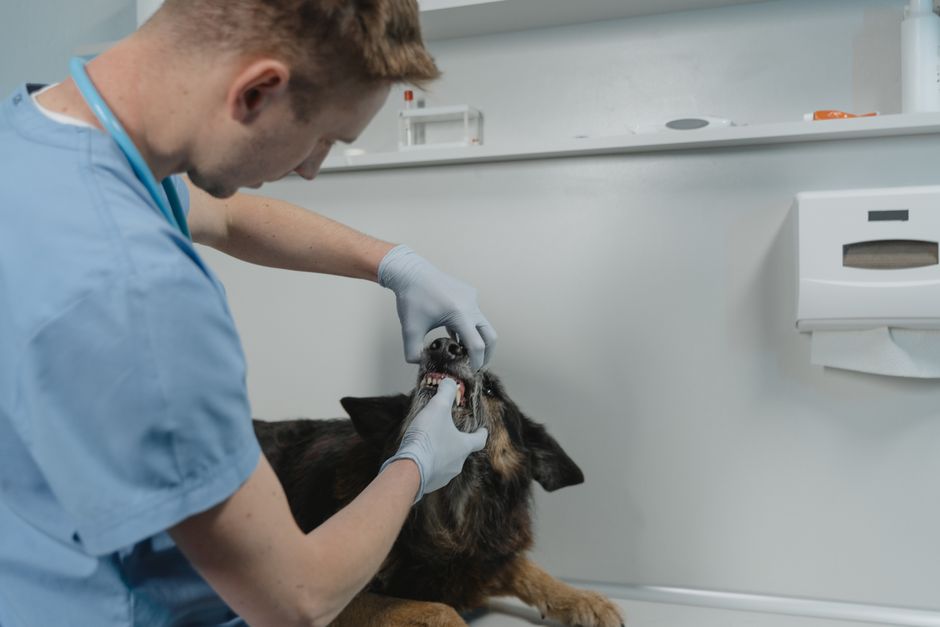
A typical specialty dental visit may begin with a comprehensive oral health assessment and treatment, which includes a detailed examination under anesthesia, advanced digital oral radiology, and sometimes a CBCT scan for 3D imaging of deep-rooted problems. These diagnostics allow our veterinarians to thoroughly evaluate the teeth, roots, and surrounding bone for hidden disease.
Treatment approaches involve a range of sophisticated procedures. For fractured or infected teeth, endodontic care such as root canal therapy can preserve the tooth and relieve pain. When a tooth cannot be saved, surgical extraction or exodontic procedures may be necessary. Oral masses or tumors may call for advanced oral surgery, including jaw reconstruction or mandibulectomy and maxillectomy. For pets with bite alignment issues, veterinary orthodontic treatments can improve comfort and function. Our clinic also offers pet dental restoration for chipped or worn teeth and prosthodontic services to restore or protect damaged teeth.
All procedures are performed under general anesthesia, which is carefully tailored for each pet’s safety and comfort. For more on why anesthesia is essential for effective dental care, you can read our article about the importance of anesthesia in veterinary dentistry. Our focus is always on minimizing discomfort, maximizing safety, and ensuring the best possible outcome for your pet.
Preventive Dental Care and What You Can Do at Home
While some dental conditions require specialist intervention, preventive care at home remains the foundation of lifelong oral health for your pet. Routine tooth brushing using pet-safe toothpaste is one of the most effective ways to slow plaque accumulation and reduce the risk of periodontal disease. Additionally, offering dental chews approved by the Veterinary Oral Health Council and scheduling regular dental checkups with your family veterinarian will help catch problems early.
It is important to monitor your pet for subtle signs of oral discomfort, including changes in chewing habits, drooling, or reluctance to play with toys. Keeping up with annual or biannual dental exams allows for early intervention before minor problems become major ones. If your veterinarian notices abnormalities during a dental cleaning or oral exam, they may recommend referral to a veterinary dental specialist for further diagnostics and treatment.
For senior pets or those with chronic illnesses, special attention should be paid to their oral health, as they may be more sensitive to anesthesia and at higher risk for advanced dental disease. Our team offers specialty anesthesia and dental care for high-risk senior pets, ensuring that even the most vulnerable pets can benefit from expert dental interventions safely.
When to Seek Care from a Veterinary Dental Specialist
It can be difficult to know when your pet’s dental issues require the expertise of a board-certified specialist rather than a general practitioner. As a general guideline, persistent symptoms such as bad breath, loose or missing teeth, oral swellings, bleeding, or any visible mass in the mouth should prompt a visit to a specialist. Pets with broken teeth, especially if the pulp cavity is exposed, need advanced care to prevent pain and infection. Cats showing signs of tooth resorption, severe gingivitis, or stomatitis also benefit from a specialist’s evaluation.
If your family veterinarian has performed a dental procedure but symptoms persist or recur, a referral to a veterinary dental specialist is recommended. Likewise, if your pet is diagnosed with an oral tumor or requires advanced imaging (such as a CBCT scan or digital radiology), specialist care can provide the most accurate diagnosis and advanced treatment options.
When searching for a veterinary dental specialist vet near me, look for a practice that is led by a board-certified veterinary dentist, equipped with advanced diagnostic technology, and committed to individualized care for your pet. At Animal Dental Clinic, our expertise is dedicated exclusively to advanced dental and oral surgery for dogs and cats, offering peace of mind to pet owners in Vienna and the greater Washington, D.C. area.
Supporting Your Pet’s Dental Health: Next Steps
Your pet’s comfort, health, and happiness are closely tied to the condition of their teeth and gums. Recognizing when a problem requires the attention of a veterinary dental specialist can spare your dog or cat unnecessary pain and help them maintain a better quality of life for years to come. Whether your veterinarian has recommended a referral or you have noticed concerning signs at home, our veterinary team at Animal Dental Clinic is here to provide advanced dental care tailored to your pet’s unique needs.
If you are ready to schedule a consultation or want to learn more about our specialized services, please contact us at (703) 281-5900 or visit our conveniently located office at 410 Maple Avenue West, Suite #1, Vienna, VA 22180. You can also explore more about our comprehensive oral health assessment and treatment options or review our digital oral radiology services for diagnosing hidden oral problems.
If you have questions about your pet’s dental symptoms or want to know if a specialist visit is right for your dog or cat, our team of veterinarians is happy to help. Trust Animal Dental Clinic for expert, compassionate dental care for your pet in Vienna and surrounding communities.