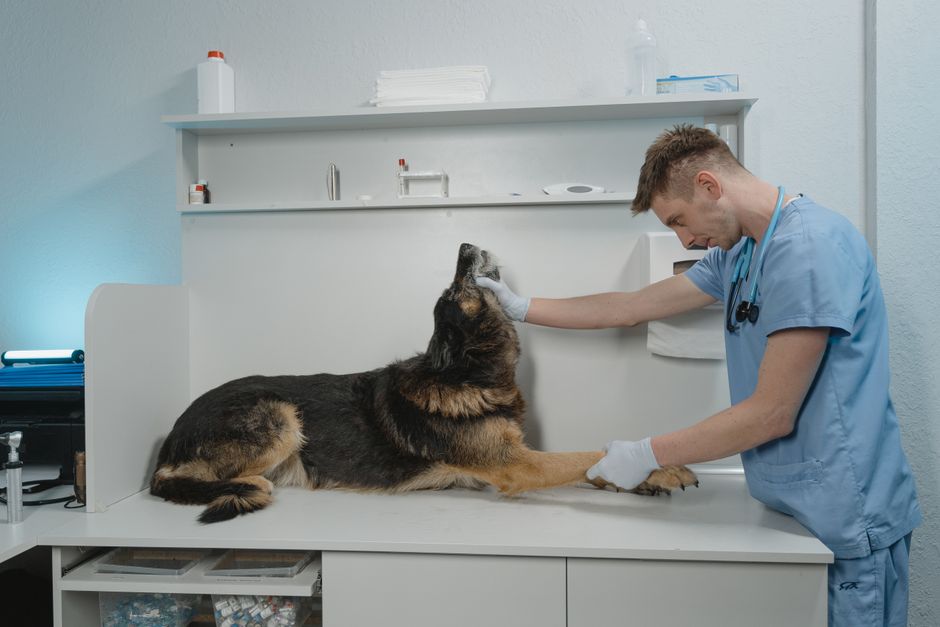
October Pet Dental Tips for a Healthy Fall Smile
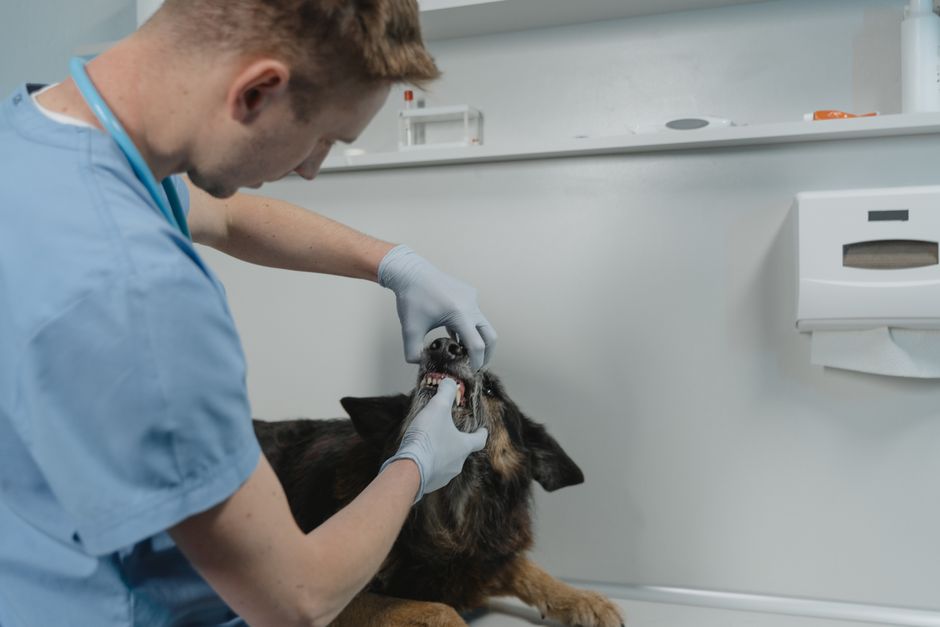
October Pet Dental Tips for a Healthy Fall Smile
Autumn brings crisp air, changing leaves, and a gentle reminder for pet owners in Vienna, VA to focus on their dog’s and cat’s oral health. As the season shifts and routines settle after summer, October is an ideal time to ensure your pet’s teeth and gums are healthy, pain-free, and ready for the colder months ahead. At Animal Dental Clinic, located at 410 Maple Avenue West, Suite #1, Vienna, VA 22180, our veterinary dental specialists help pet owners throughout northern Virginia and the greater Washington, D.C. area with advanced dentistry and oral surgery. In this blog, you’ll discover the top dental care tips for October, learn how to spot early signs of dental disease in your pet, understand why fall is a crucial time for a dental evaluation, and see how specialty dental care can prevent painful problems as winter approaches.
Whether you’ve noticed changes in your pet’s breath, chewing habits, or just want to keep their smile bright, our team is here to guide you. Let’s explore how you can support your dog’s or cat’s oral health this fall and when it’s time to reach out for advanced dental care.
Recognizing Dental Problems in Pets: Autumn Warning Signs
As the leaves change, so can your pet’s dental health. Many dogs and cats begin to show subtle signs of dental disease that often go unnoticed until discomfort becomes more severe. Key symptoms include persistent bad breath, visible tartar buildup along the gum line, red or swollen gums, bleeding while chewing, reluctance to eat hard food, dropping kibble, or pawing at the mouth. Additionally, you may notice changes in your pet’s behavior such as becoming withdrawn, irritable, or less interested in play, which can sometimes be linked to dental pain.
Some dogs may simply chew on one side of their mouth or refuse favorite chews, while cats may begin avoiding dry food or even paw at their face. Because dental disease can progress quietly, it’s essential to watch for these early warning signs. If you observe persistent bad breath or swollen gums in your dog, our resource on warning signs of dental disease in dogs offers additional guidance. For cats, reluctance to eat or pawing at the mouth can indicate more complex issues such as tooth resorption, which you can learn more about by visiting our page on signs of feline tooth resorption.
Because fall often brings increased treats and dietary changes, monitoring your pet’s oral habits is especially important this time of year.
Why October Is a Crucial Month for Pet Dental Health
Autumn serves as a perfect checkpoint for your pet’s oral wellness. Cooler weather can mask subtle signs of discomfort, as pets may be less active or spend more time indoors. Seasonal treats, chews, and new foods that come with holidays can also increase the risk of dental injury or plaque accumulation. Scheduling a dental evaluation in October ensures problems are addressed before the busier holiday season and before cold weather makes recovery from dental procedures more challenging. Early intervention this time of year can help your pet avoid more extensive issues like fractured teeth, abscesses, or advanced periodontal disease during winter months.
Understanding the Causes: Why Dental Disease Develops in Dogs and Cats
Dental disease is one of the most common health issues facing pets, yet it often sneaks up on owners. The primary drivers are the accumulation of plaque and tartar, which foster bacterial growth along the gum line. Over time, this can lead to gingivitis, periodontitis, and even tooth loss if left untreated. Other contributing factors include genetics, diet, chewing habits, and underlying health conditions that may weaken the immune system.
Certain breeds, such as small dogs and brachycephalic (short-nosed) cats, are particularly prone to dental issues due to the structure of their jaws and teeth. Additionally, pets who chew less or eat only soft foods may not naturally clean their teeth as effectively, allowing plaque to build up more rapidly. In autumn, as treats and dietary changes are common, the risk of increased plaque and tartar is higher. Environmental factors, such as indoor heating during fall and winter, may also affect your pet’s hydration and saliva production, which can impact oral health.
Dental injuries can also occur from chewing on hard objects like bones, antlers, or hard toys, especially as pets receive new treats and chews during the fall season. Fractured teeth, exposed pulp, or oral trauma can quickly escalate if not identified early. Recognizing these risks helps pet owners take proactive steps to prevent and address dental disease before it becomes painful or complicated.
Specialty Dental Treatment: What to Expect from Advanced Oral Care
When your pet needs advanced dental care, the expertise of a specialty veterinary dental team becomes invaluable. At Animal Dental Clinic, our focus is on comprehensive oral health assessment, advanced diagnostics, and precise treatments tailored to your dog or cat’s unique needs. Our comprehensive oral health assessment and treatment process involves a thorough examination under general anesthesia for safety and accuracy, including digital radiographs to assess below the gum line.
For cases involving damaged or infected teeth, specialized procedures such as root canal therapy or pet dental restoration and fillings may be recommended to preserve the tooth and relieve pain. In situations where teeth are severely diseased or fractured, pet tooth extraction services are performed with careful pain management and attention to your pet’s overall comfort.
Pets with complex oral conditions, such as oral tumors, jaw fractures, or advanced periodontal disease, benefit from the advanced training and equipment available at a veterinary dental specialty clinic. Our team utilizes cutting-edge imaging, including digital oral radiology and CBCT scans, to diagnose hidden problems and guide treatment decisions. We also provide guidance for high-risk and senior pets, ensuring safe anesthesia and individualized care. Understanding why anesthesia is essential for safe and effective pet dental care helps pet owners feel confident in pursuing these advanced services.
What Makes Specialty Dental Care Different?
Unlike routine dental cleanings at a general practice, specialty dental care addresses complex cases, persistent oral pain, and advanced dental disease. Our veterinary dental specialists have additional training in oral surgery, endodontics, and prosthodontics, allowing us to preserve healthy teeth whenever possible and restore your pet’s comfort and function. We work closely with your primary care veterinarian to ensure seamless care and the best possible outcomes for your pet’s oral health.
Fall Prevention Tips: How to Support Your Pet’s Smile at Home
While professional dental care is vital, daily home care plays a huge role in keeping your pet’s mouth healthy. Brushing your dog’s or cat’s teeth regularly is the gold standard; aim for daily brushing with pet-safe toothpaste, but even a few times a week can make a meaningful difference. If brushing is new for your household, our how-to videos for pet owners can help you get started with gentle, effective techniques.
Dental chews, approved treats, and oral rinses can help reduce plaque when used alongside brushing, but it’s important to choose products recommended by veterinary dental professionals. Avoid giving your pet hard bones, antlers, or rigid chews that can fracture teeth, especially as the holidays approach and new treats become available. Hydration is also important; encourage water intake to support saliva production and natural cleansing.
For owners seeking extra support between professional cleanings, we offer a variety of home care products designed to maintain your dog’s or cat’s oral health. Remember that no at-home method replaces professional dental assessments, but consistent prevention at home can delay the progression of dental disease and reduce the need for more invasive procedures in the future.
Seasonal Strategies for Autumn
During the fall, stick to a routine: brush your pet’s teeth at the same time each day, such as after dinner or before bedtime. Monitor your pet’s mouth for changes after special treats or chews. If you notice blood on toys, a sudden aversion to food, or drooling, these can be early warning signs that a dental issue is developing.
When to Seek Veterinary Dental Care: Knowing the Right Time
Pet owners often wonder when it’s time to move from home care to professional evaluation. Seek veterinary dental care promptly if your pet shows persistent bad breath, red or bleeding gums, loose or discolored teeth, swelling of the face or jaw, difficulty eating, or behavioral changes such as hiding, irritability, or reluctance to play. Persistent drooling, pawing at the mouth, or any oral bleeding are also reasons to contact a veterinary dental specialist right away.
If your pet is a senior or has underlying health conditions, or if previous dental procedures have proven challenging, specialty dental care provides the expertise and resources needed for safe, effective treatment. Our team is experienced in managing high-risk patients and can provide specialty anesthesia and dental care guidance for senior pets.
Delaying treatment for dental disease can result in chronic pain, tooth loss, and even more serious health problems affecting the heart, kidneys, or liver. Early intervention not only preserves your pet’s quality of life, but can also reduce the complexity and cost of future care.
How to Choose a Veterinary Dental Specialist
When searching for a specialty dental vet near me, look for a practice with advanced imaging, board-certified veterinary dentists, and a proven track record of safe anesthesia and pain management. At Animal Dental Clinic, our focus is exclusively on advanced dentistry and oral surgery, and we are proud to serve the Vienna, VA and surrounding communities with compassionate expertise.
Your Partner in Pet Dental Health This Fall
As autumn unfolds in Vienna, VA, now is the perfect time to focus on your pet’s oral health and ensure they greet the colder months with a healthy, pain-free smile. Watch for changes in your dog’s or cat’s eating habits, breath, and mouth, and take proactive steps with daily home care. Remember, some dental problems remain hidden without professional evaluation, so scheduling a dental check-up this October is one of the best ways to protect your pet’s well-being.
If you have questions or notice signs of dental disease, our team of veterinary dental specialists is here to help. To schedule a comprehensive oral health assessment or discuss advanced treatment options, call our team at (703) 281-5900 or visit us at 410 Maple Avenue West, Suite #1, Vienna, VA 22180. For more information about our advanced dental services or to explore frequently asked questions, visit our FAQ page.
Your pet’s comfort and health are always our priority. As your local resource for specialty dental care, we’re committed to keeping every dog and cat in Vienna and the surrounding area smiling all year long.