Recognizing Oral Tumors in Pets: Early Signs and When to Seek Help
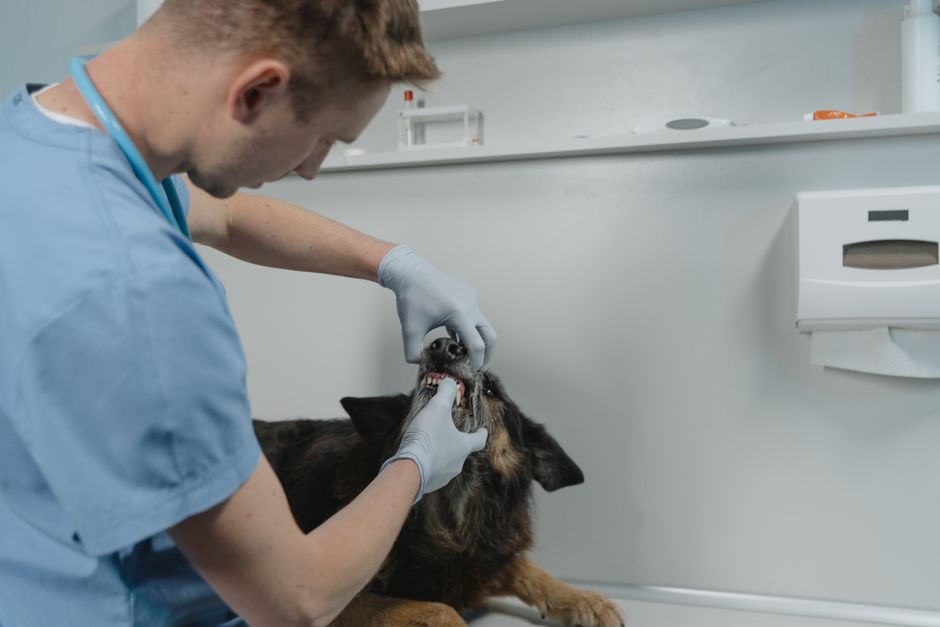
Recognizing Oral Tumors in Pets: Early Signs and When to Seek Help
Discovering a lump or unusual growth in your dog’s or cat’s mouth can be alarming, especially as summer brings more playtime, treats, and outdoor adventures for pets throughout Vienna, VA and surrounding communities. Oral tumors in pets are more common than many pet owners realize and, unfortunately, they often go unnoticed until they start causing significant discomfort or visible changes. At Animal Dental Clinic, our specialized veterinary dental team in Vienna, VA is dedicated to helping you recognize the early signs of oral tumors, understand their potential impact on your pet’s health, and know when advanced care is needed. This blog will guide you through the subtle and not-so-subtle warning signs, explain the causes and risk factors, discuss modern specialty treatment options, and outline when—and why—to seek a veterinary dental professional’s help.
Learning how to spot oral tumors early gives your dog or cat the best chance at a healthy, comfortable life. Our team at Animal Dental Clinic specializes in advanced dental care and oral surgery, providing expert solutions for pets in Vienna, Oakton, McLean, Reston, and across northern Virginia. If you notice anything unusual in your pet’s mouth, prompt assessment is crucial; keep reading to learn what to watch for and how we can help.
Spotting the Early Signs of Oral Tumors in Pets
Oral tumors in pets can develop quietly, often without any obvious signs at first. In the early stages, you may only notice minor changes that are easy to overlook during routine activities like feeding, playing, or cuddling. However, early detection is essential because the sooner a tumor is identified, the more options are available for successful treatment.
What Should Pet Owners Look For?
Key symptoms of oral tumors include the appearance of lumps or swellings anywhere in the mouth, along the gums, on the roof of the mouth, or beneath the tongue. Some pets may experience bleeding from the mouth that is not related to dental cleaning or chewing on toys. Drooling that seems excessive or unusual for your pet, especially if accompanied by a foul odor, is another warning sign. You might notice your dog or cat suddenly dropping food, chewing on one side, or showing reluctance to eat crunchy treats. Persistent bad breath, loose teeth, or visible growths on the gums are also important indicators. In some cases, swelling on the face or jaw, or difficulty opening and closing the mouth, can occur as tumors progress.
Changes in eating habits are particularly significant. If your pet begins to favor soft foods, refuses previously enjoyed treats, or displays visible discomfort while eating, it is time for a closer look. While some of these symptoms are associated with other dental conditions, it is always best to err on the side of caution and have any persistent changes evaluated by a veterinary dental specialist.
If you are unsure whether an oral growth is cause for concern, remember that even small changes can indicate a developing tumor. A comprehensive oral health assessment and treatment by our veterinary dental team is the best way to determine the underlying cause and begin appropriate care.
Understanding the Causes and Risk Factors for Oral Tumors
Oral tumors in pets can develop for a variety of reasons, and while some risk factors have been identified, these growths can affect any dog or cat regardless of breed, age, or lifestyle. Understanding why oral tumors occur can help pet owners remain vigilant and take proactive steps to support their pet’s health.
Common Causes and Contributing Factors
The exact cause of oral tumors in pets is often unknown, but certain factors may play a role. Age is a significant consideration, as older pets are more likely to develop tumors due to accumulated cellular changes over time. Genetics can also contribute; some breeds may have a higher predisposition to specific types of oral tumors. Additionally, chronic inflammation or trauma in the mouth, such as from fractured teeth or persistent dental disease, may increase the likelihood of abnormal cell growth.
Environmental influences, including exposure to tobacco smoke, certain chemicals, or carcinogenic substances, can also elevate the risk. While rare, viruses have been linked to tumor development in some animal species. Ultimately, even pets with excellent home dental care may develop oral tumors, which is why regular professional evaluations are so important.
Professional Treatment Options for Oral Tumors in Pets
If your pet is diagnosed with an oral tumor, the treatment approach will depend on several factors, including the tumor’s type, size, location, and whether it has spread to other areas of the body. At Animal Dental Clinic, we focus exclusively on advanced dental care and oral surgery, ensuring your pet receives the highest level of expertise and precision for these complex cases.
Specialized Diagnostic Tools
Before any treatment can begin, an accurate diagnosis is essential. Our veterinary dental professionals utilize advanced diagnostic imaging such as digital oral radiology and CBCT scans to assess the extent of the tumor and its relationship to surrounding structures. In many cases, a biopsy will be performed to determine whether the tumor is benign or malignant. Laboratory evaluation of tissue samples is critical for guiding treatment decisions, which is why we offer access to a pet diagnostic laboratory as part of our specialty services.
Surgical and Advanced Treatment Options
The most common and effective treatment for many oral tumors in pets is surgical removal. Procedures may range from excising a small growth to more extensive surgeries such as mandibulectomy (removal of part of the lower jaw) or maxillectomy (removal of part of the upper jaw) when necessary to fully eliminate the tumor and achieve clear margins. Our team is highly experienced in performing these complicated oral surgeries while focusing on your pet’s comfort, safety, and quality of life.
In some cases, additional therapies such as chemotherapy or radiation may be recommended, particularly for malignant tumors. Our role as a specialty referral center is to collaborate with your primary care veterinarian and, when necessary, with oncology specialists to ensure a comprehensive treatment plan tailored to your pet’s needs. For more information about advanced surgical options, explore our dedicated page on mandibulectomy and maxillectomy.
What to Expect During Recovery
Recovery from oral tumor surgery varies depending on the procedure’s complexity and your pet’s overall health. Immediately after surgery, pets may need special diets, pain management, and careful monitoring at home. Our veterinary dental professionals provide detailed aftercare instructions and support throughout the recovery process, helping you manage any dietary changes and watch for potential complications.
Preventive Strategies and Home Care for Pet Oral Health
While not all oral tumors can be prevented, maintaining excellent oral health is an important part of reducing overall risk for dental problems and supporting early detection of abnormalities. Simple steps at home, combined with regular professional assessments, give your pet the best chance at a healthy mouth.
How Pet Owners Can Help
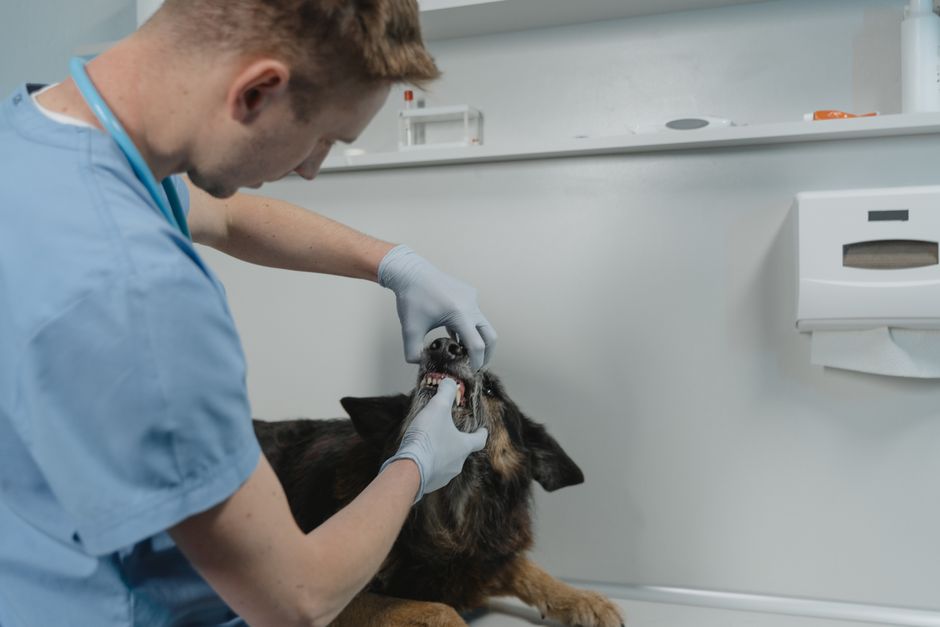
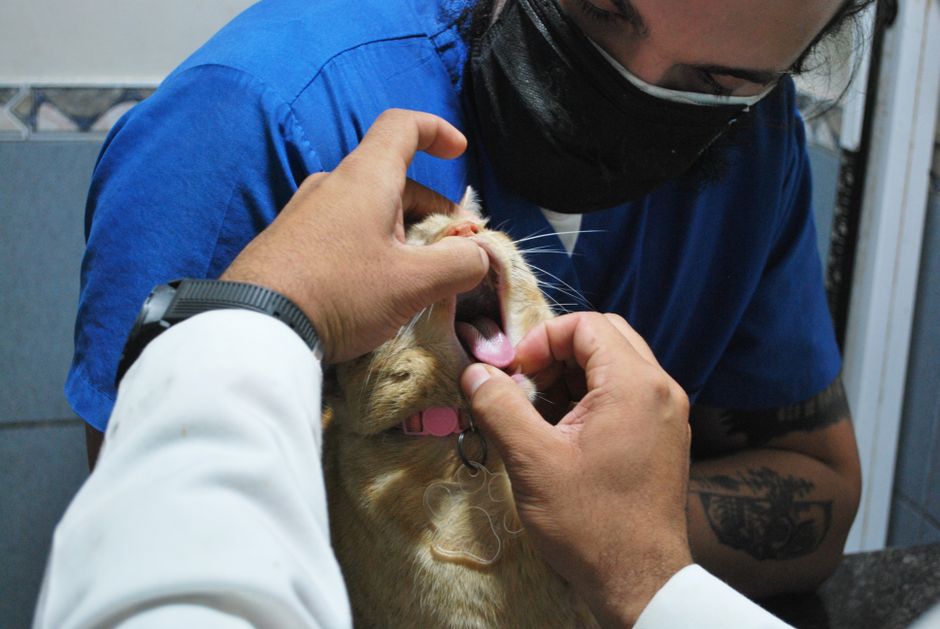
Routine at-home mouth checks are invaluable. Gently lift your dog or cat’s lips and look for any changes in gum color, texture, or the appearance of new lumps. Watch for bleeding, bad breath, or signs of discomfort while eating. Brushing your pet’s teeth daily, or as often as possible, helps maintain gum health and makes it easier to spot changes early. Dental chews and specialized diets can also support oral care, but should never replace professional cleanings or assessments.
Just as important as home care is scheduling regular dental evaluations with a veterinary specialist. Our team at Animal Dental Clinic recommends a comprehensive dental assessment at least once a year, or sooner if you notice any changes. Professional evaluations allow us to identify problems that may not be visible to the naked eye and intervene before they progress. If you are interested in a thorough evaluation for your pet, learn more about our comprehensive oral health assessment and treatment options.
When to Seek Veterinary Dental Care for Oral Tumors
Determining when to seek professional help can be challenging, but timely intervention is key to the best outcome. If you discover any lump, growth, or abnormal tissue in your pet’s mouth, or if your dog or cat is experiencing symptoms such as persistent bad breath, difficulty eating, unexplained bleeding, or sudden changes in behavior, do not wait to schedule an appointment.
Immediate veterinary dental assessment is especially critical if your pet is unable to eat or drink, is drooling blood, or seems to be in significant pain. Oral tumors can progress rapidly, and early diagnosis not only improves the chances of successful treatment, but also reduces the need for more invasive procedures in the future.
Animal Dental Clinic in Vienna, VA is here to provide advanced oral surgery and dental care specifically for pets facing complex oral health challenges. Our veterinarians work closely with your primary care veterinarian and offer specialized services that are not available at most general practices. If you are searching for a specialty dental vet near me, our team is ready to support you and your pet at every step of the journey.
Compassionate, Specialized Dental Care for Pets in Vienna and Beyond
Oral tumors in dogs and cats can be frightening, but with prompt recognition and expert veterinary dental care, many pets go on to live happy, comfortable lives. Key points to remember include watching for early changes in your pet’s mouth, understanding the importance of professional evaluation, and seeking out advanced care when needed.
If you notice a lump, swelling, or unexplained bleeding in your pet’s mouth, or any sudden changes in eating or behavior, the veterinary dental professionals at Animal Dental Clinic encourage you to reach out for help. Our expertise in pet oral surgery, combined with a commitment to compassionate care, ensures your pet receives the highest standard of treatment.
To schedule a dental assessment or oral surgery consultation, contact our veterinary dental team at (703) 281-5900 or visit us at 410 Maple Avenue West, Suite #1, Vienna, VA 22180. For more information, explore our blog for additional educational resources about oral health conditions in pets.
Your pet’s comfort and wellbeing matter to us, and our specialty dental veterinarians are here to provide the advanced care your dog or cat deserves. If you are looking for a specialty dental vet near me, Animal Dental Clinic is your trusted resource in Vienna and the surrounding northern Virginia area.