Does Your Pet Need a Veterinary Dental Specialist?
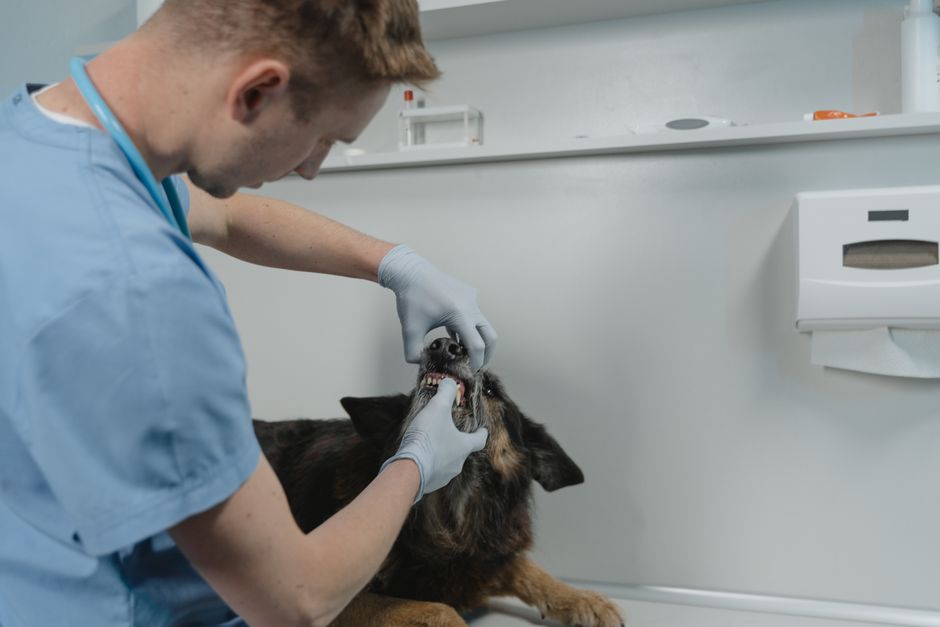
Does Your Pet Need a Veterinary Dental Specialist?
As a pet owner, you always want what’s best for your dog or cat. When it comes to your companion’s oral health, it’s natural to wonder if routine dental cleanings are enough or if your pet might need the expertise of a veterinary dental specialist. Advanced dental care can make a world of difference in your pet’s comfort, health, and even longevity. At Animal Dental Clinic, located at 410 Maple Avenue West, Suite #1, Vienna, VA 22180, our team focuses exclusively on advanced dentistry and oral surgery for dogs and cats. If you’re in Vienna or surrounding communities and questioning whether your pet could benefit from specialized dental care, this guide will help you recognize when it’s time to seek expert attention.
In this article, you’ll learn how to spot signs of dental trouble in your pet, what types of conditions require the skill of a veterinary dental specialist, and what to expect when you bring your dog or cat to a dedicated dental practice. We’ll also explore how advanced diagnostics and treatment options at Animal Dental Clinic set the standard for pet dental care in the Northern Virginia region.
Recognizing Signs Your Pet May Need a Veterinary Dental Specialist
Pets are masters at hiding discomfort, especially when it comes to their mouths. Many owners only notice dental issues when their dog or cat shows obvious signs of pain or stops eating altogether. However, subtle symptoms can be early warnings that your pet’s dental health needs specialized attention.
Common indicators include persistent bad breath, which often signals underlying infection or gum disease. You might observe your pet pawing at their mouth, dropping food, or chewing only on one side. Reluctance to play with toys, visible swelling or bleeding in the mouth, and changes in eating habits are also concerning. Sometimes, you may spot loose, broken, or discolored teeth, or even see pus around the gumline.
In some cases, dental problems manifest as behavioral changes. Your usually friendly dog may become irritable, or your cat might hide more often and resist touch near the face. These shifts can be a response to chronic oral pain that requires prompt diagnosis and care.
If you notice any of these signs, especially if they persist after a routine cleaning or general veterinary visit, it’s time to consider a consultation with a veterinary dental specialist. At Animal Dental Clinic, our team performs thorough evaluations using advanced imaging and diagnostics to uncover the root cause of persistent or serious dental issues.
Why Do Pets Develop Advanced Dental Problems?
Dental disease is one of the most common health issues in dogs and cats, and it often progresses silently. Plaque and tartar accumulation provide a breeding ground for bacteria, leading to gingivitis and, eventually, periodontal disease. Genetics play a significant role; small breeds and certain cats are more prone to dental issues despite excellent home care. Malocclusion, or misalignment of the teeth, can cause abnormal wear, soft tissue injury, and accelerate dental disease.
Trauma is another common culprit. Curious pets may fracture a tooth by chewing on hard objects like bones or toys. In some cases, teeth may be damaged during play or as a result of an accident. Tooth fractures expose the sensitive pulp, leading to infection, abscesses, and even jaw bone involvement.
Oral tumors, cysts, and congenital defects can also create complex dental problems. Some pets may develop resorptive lesions, especially cats, where the body starts to break down the tooth structure. These cases require intervention that goes beyond what a general practice can provide.
When dental disease is left untreated, it can affect more than just the mouth. Bacteria from infected teeth can enter the bloodstream, contributing to heart, kidney, or liver problems. This is why advanced dental care is about more than fresh breath; it’s essential for your pet’s overall health.
What Treatment Options Do Veterinary Dental Specialists Offer?
When your pet’s dental needs surpass the scope of routine cleanings or basic extractions, a veterinary dental specialist can provide a comprehensive range of advanced diagnostics and procedures. At Animal Dental Clinic, our focus is exclusively on dental and oral surgery for dogs and cats, with services designed to address even the most complex cases.
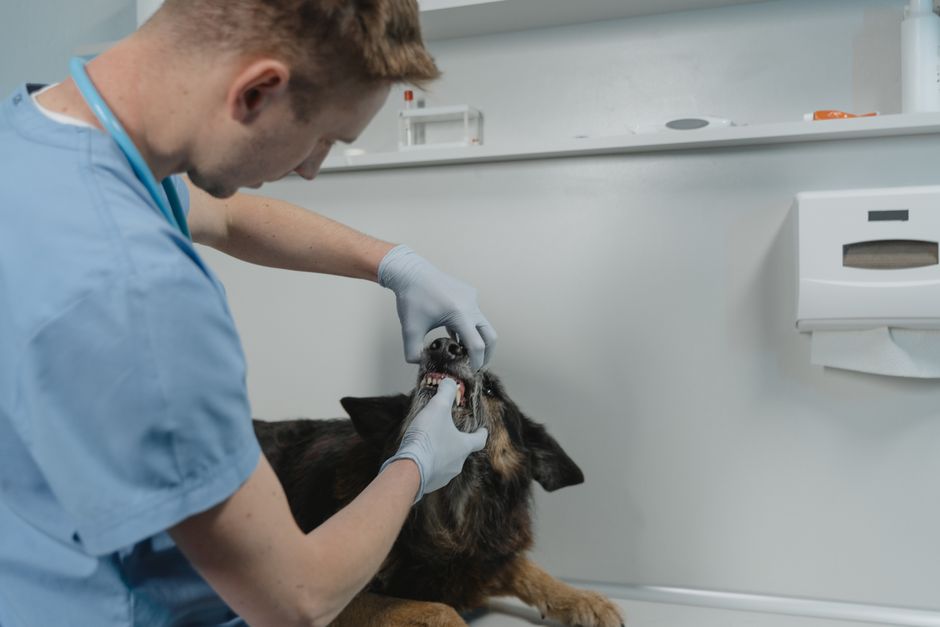
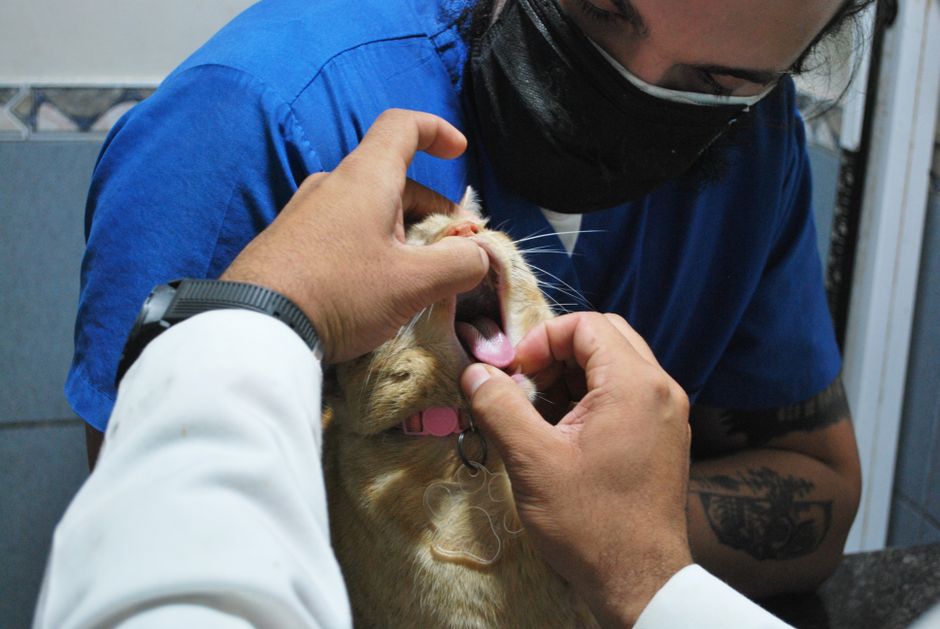
A comprehensive oral health assessment is often the first step. This may involve advanced dental imaging, such as digital oral radiology or CBCT scans, which allow for detailed evaluation of teeth, roots, and jawbones. These tools help identify hidden infections, fractures, or bone loss that are not visible during a standard oral exam.
For pets with damaged or infected teeth, endodontic procedures like root canal therapy can relieve pain and preserve natural teeth. Our practice offers advanced root canal and pulp therapy to address severe dental pain and restore function. In cases where teeth cannot be saved, professional tooth extraction services are available to remove the source of infection and prevent further complications.
Some pets require more specialized care, such as oral surgery for tumors, jaw fractures, or severe bone loss. Our team is skilled in complex procedures, including mandibulectomy and maxillectomy for advanced oral disease, as well as prosthodontic services for pets needing dental prosthetics to restore oral function.
Orthodontic issues, such as misaligned teeth or bite problems, can also be addressed with customized solutions. Our orthodontic services are designed for pets whose quality of life is impacted by dental alignment problems.
Throughout all procedures, we prioritize safety and comfort. Anesthesia protocols are tailored to each pet’s needs, and our facility is equipped for safe monitoring and post-operative care.
Prevention and Home Care: Protecting Your Pet's Smile
While some dental conditions are influenced by genetics or trauma, many can be prevented or managed with regular home care and professional oversight. Daily tooth brushing remains one of the most effective ways to minimize plaque buildup and reduce the risk of periodontal disease. There are pet-specific toothbrushes and toothpastes available, and our team can help you find products that suit your dog or cat’s needs.
Dental diets, treats, and water additives may provide additional support, especially for pets reluctant to accept brushing. Regular check-ups with your general veterinarian are crucial, but if your pet is at higher risk or has ongoing oral health concerns, more frequent professional assessments may be recommended.
For guidance on at-home care techniques, our how-to videos and home care products offer valuable resources. Early intervention is key, so monitor your pet for any changes in eating, chewing, or breath odor, and don’t hesitate to reach out if you have concerns.
When Should You Seek Care from a Veterinary Dental Specialist?
Determining when to escalate your pet’s dental care to a specialist can be challenging. If your primary veterinarian identifies an issue that requires advanced diagnostics, surgical intervention, or specialized treatment, a referral to a dental specialist is usually recommended.
Specific reasons to seek our expertise include persistent dental problems that do not resolve with standard treatment, broken or discolored teeth, jaw swelling, abnormal oral growths, or cases where your pet is experiencing chronic pain. If your dog or cat has undergone previous dental extractions but continues to show signs of discomfort, or if you suspect an underlying condition like an oral tumor or severe periodontal disease, specialized care is essential.
Our comprehensive oral health assessment and treatment service ensures that no aspect of your pet’s dental health is overlooked. By working closely with your referring veterinarian, we can develop a tailored treatment plan for even the most difficult cases.
Why Choose Animal Dental Clinic for Your Pet’s Advanced Dental Care?
Choosing the right dental specialist for your pet is an important decision. At Animal Dental Clinic, our focus is solely on the oral health of dogs and cats. This allows us to provide the highest level of expertise, from complex surgical procedures to advanced imaging and personalized home care recommendations.
Our Diplomate of the American Veterinary Dental College leads a team of experienced veterinary professionals dedicated to improving your pet’s quality of life through pain-free, functional, and healthy mouths. We serve Vienna and surrounding communities, including Oakton, McLean, Tysons Corner, Merrifield, and Reston, ensuring that pets throughout Northern Virginia have access to world-class dental care.
If you are searching for a dental vet near me, know that Animal Dental Clinic combines state-of-the-art technology, compassionate care, and flexible hours to meet the needs of busy families. Our team is always available to answer your questions and provide guidance before, during, and after your pet’s procedure.
Take the Next Step Toward a Healthier Smile for Your Pet
Your pet’s oral health plays a vital role in their overall happiness and wellbeing. If you have noticed any signs of dental trouble, have been referred by your primary veterinarian, or simply want peace of mind about your pet’s mouth, our team at Animal Dental Clinic is here to help. From comprehensive oral health assessment and treatment to advanced oral surgery and restorative procedures, we are proud to be Northern Virginia’s trusted resource for advanced veterinary dental care.
To schedule a consultation or learn more about how specialized dental care can benefit your dog or cat, contact our veterinary dental professionals at (703) 281-5900 or visit us at 410 Maple Avenue West, Suite #1, Vienna, VA 22180. When your search for a dental vet near me leads you to our doors, you can trust that your pet’s smile is in the best possible hands.
This blog is for educational purposes only and does not replace professional veterinary advice. If you suspect your pet is experiencing dental pain or illness, consult your veterinarian or a veterinary dental specialist promptly. For more information and resources, visit our pet health library.