Managing Dental Injuries in Pets During Summer Activities
Managing Dental Injuries in Pets During Summer Activities
As the summer days stretch long and warm in Vienna, VA, chances are your dog or cat is spending more time exploring the yard, playing fetch, or joining you for outdoor adventures. This season of heightened activity can bring plenty of joy but also increases the risk of dental injuries in pets. From catching flying frisbees to play-wrestling or chewing on hard objects, active pets are more likely to suffer chipped, fractured, or dislodged teeth during the bustle of summer. At Animal Dental Clinic, located at 410 Maple Avenue West, Suite #1, Vienna, VA 22180, our team of veterinary dental professionals is dedicated to helping your pet recover from oral injuries with advanced dentistry and oral surgery. In this blog, we will guide you through the signs of dental trauma in dogs and cats, explain common causes, discuss what to do if your pet hurts a tooth, and outline how our specialized dental services can support a safe and comfortable recovery.
Whether you live in Vienna or the surrounding communities, understanding how to manage dental injuries will help you keep your pet’s smile healthy all summer long. If you’re unsure if your pet’s mouth injury needs urgent attention, our veterinarians are here to provide clarity and expert care. We’ll also share tips for prevention and explain when it’s time to seek help from a specialty dentistry vet near you.
How to Recognize Dental Injuries in Pets
Dental injuries in pets can range from subtle to immediately noticeable. Recognizing the signs early allows you to seek prompt care, minimizing pain and the risk of infection. The most common symptoms of a dental injury include sudden reluctance to eat, dropping food from the mouth, pawing at the face, or vocalizing when chewing. You might notice blood-tinged saliva, swelling of the muzzle or mouth, or see a visible crack, chip, or missing tooth.
Some pets, especially cats, may hide their discomfort. Behavioral changes such as hiding, increased irritability, or avoiding favorite chew toys are also red flags. Bad breath that arises suddenly, bleeding from the gums, or swelling beneath the eye can signal a tooth root problem or abscess developing due to trauma. In dogs, you might also spot a fractured canine or incisor, while cats may show more subtle changes in grooming or eating habits.
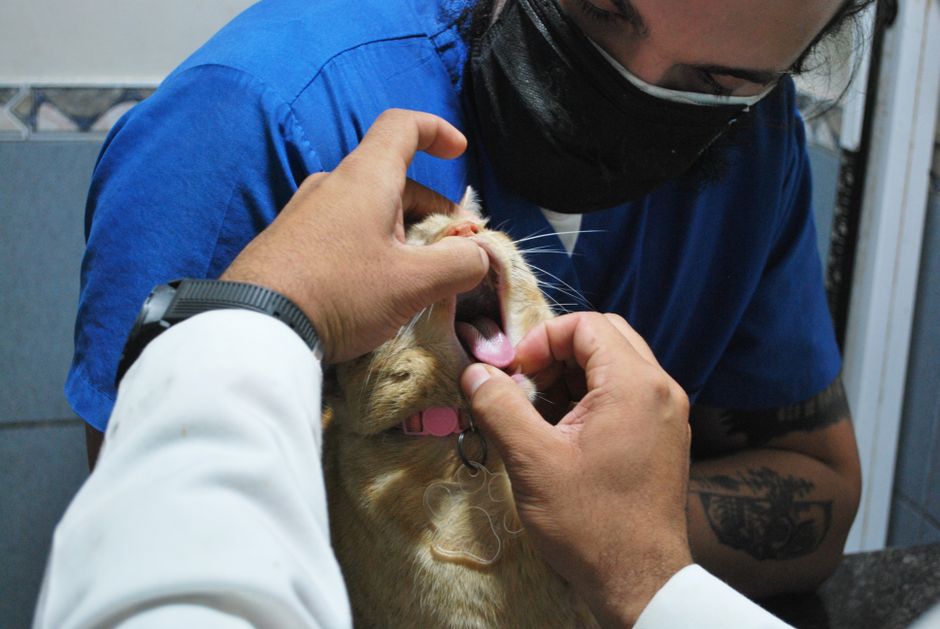
If you notice any of these signs after a day of play or roughhousing, it’s important to inspect your pet’s mouth carefully. However, never force your pet’s mouth open if they seem painful or defensive, as this could worsen the injury or cause a bite. In these moments, a calm approach and close observation can help you determine if a call to your veterinary dentist is warranted.
Why Do Dental Injuries Happen More in Summer?
Summer brings a surge in outdoor activity for many pets, which correlates with a rise in dental trauma cases. Dogs are often at risk during games of fetch with sticks, hard rubber toys, or rocks, as biting down on these objects can crack or break teeth. Water-loving dogs who retrieve in lakes or rivers may collide with submerged objects, causing jaw or tooth injuries. Cats, although less likely to play fetch, may suffer dental trauma from falls, rough play with other animals, or chewing on unexpected hard objects around the yard or home.
Additionally, the longer daylight hours and frequent family gatherings can mean increased exposure to unfamiliar foods or treats, some of which may be too hard or sharp for safe chewing. Bones, antlers, and certain commercial chews are common culprits for tooth fractures. Young, energetic pets and those with pre-existing dental disease face even higher risks during these active months.
It’s also worth noting that dental injuries can occur secondary to accidents, such as being struck by a car, falling from a height, or getting caught in a fence. No matter the cause, prompt attention is crucial to prevent complications like infection, ongoing pain, or tooth loss.
Treatment and Management of Pet Dental Injuries
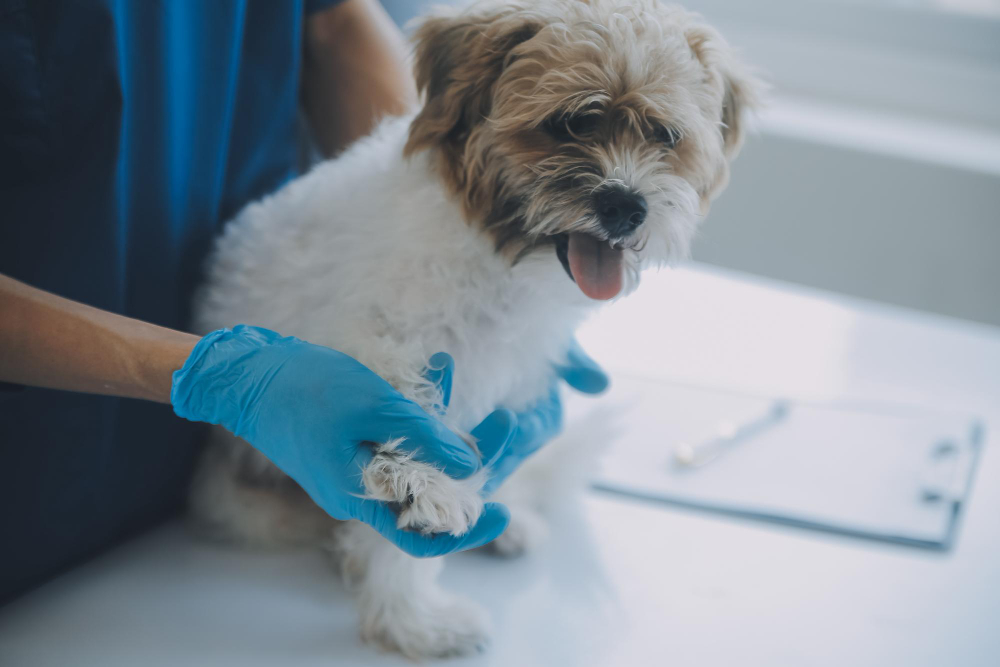
Professional dental care is essential for managing pet dental injuries safely and effectively. At Animal Dental Clinic, our specialty practice is equipped to address everything from minor chips to complex oral trauma using advanced diagnostics and state-of-the-art surgical techniques.
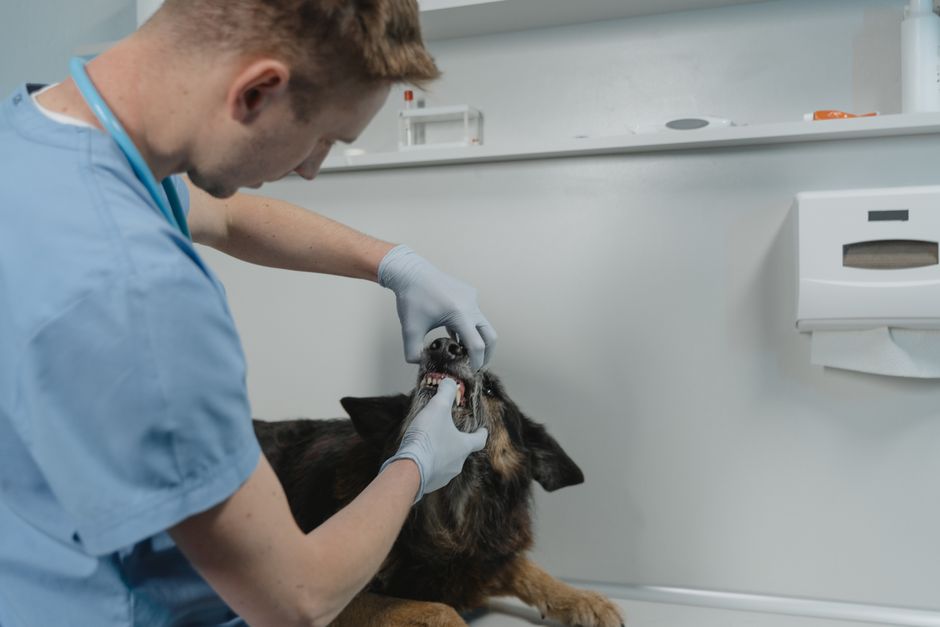
When you bring your pet in after a suspected dental injury, our team will begin with a thorough oral examination and may recommend advanced imaging, such as a CBCT Scan for detailed oral imaging in pets or Digital Radiology for veterinary dental diagnostics, to assess the extent of the damage. In many cases, a Comprehensive Oral Health Assessment and Treatment is performed under anesthesia to ensure your pet is comfortable and still while we evaluate below the gumline.
Treatment approaches depend on the type and severity of the injury. For chipped or fractured teeth, modern restorative techniques can often protect the tooth’s structure and restore function. Deep fractures that expose the pulp may require advanced root canal and pulp therapy, which can relieve pain and preserve your pet’s natural tooth. Severely damaged or loose teeth might need surgical removal, a procedure known as exodontics or teeth extractions for pets, to eliminate infection and prevent further harm.
In some cases, your pet may benefit from dental restoration or filling services to rebuild and protect the remaining tooth structure. Our veterinary dental professionals will walk you through your pet’s treatment options and explain each step, from pain management to aftercare at home.
Throughout the process, our goal is to relieve discomfort, prevent complications, and help your pet return to their normal, happy self as quickly as possible. You can expect clear communication from our team every step of the way, ensuring you are confident in your pet’s oral health plan.
At-Home Care and Prevention of Dental Injuries
While some dental injuries are accidents that can’t be completely avoided, there are steps you can take to reduce your pet’s risk—especially during the active summer months. First, always supervise playtime, particularly when your dog is playing with toys outdoors. Choose toys made of softer, flexible materials instead of hard bones, rocks, or antlers. Discourage chewing on sticks, which can splinter and cause not just broken teeth but also oral lacerations.
For cats, provide appropriate chew toys to satisfy their natural urge to bite and limit access to potentially dangerous objects around the home or garden. Regularly check your pet’s mouth for signs of wear, redness, or pain, and monitor their eating and grooming behaviors for any changes.
Routine dental checkups are vital for early detection of minor issues before they become major injuries. Our veterinary dental professionals recommend annual or biannual oral assessments, which can be scheduled at Animal Dental Clinic for peace of mind. If your pet already has dental restorations, fillings, or crowns, careful monitoring and routine follow-ups are especially important during periods of high activity.
When it comes to treats, opt for those approved by veterinary dental organizations and avoid anything that is harder than your fingernail. Always introduce new items gradually and under supervision.
What to Do Immediately After a Dental Injury
If you suspect your pet has suffered a dental injury, quick action can make a significant difference in their outcome. Begin by staying calm and gently examining your pet’s mouth if it is safe to do so. Look for bleeding, swelling, broken or missing teeth, or signs of pain. If your pet is eating, drinking, or grooming less than usual, take note of these changes.
Do not attempt to reattach or pull any loose teeth yourself. Offer soft food and fresh water, and keep your pet quiet and comfortable while you arrange for professional evaluation. Avoid giving human pain medications, as many are toxic to pets, and refrain from using any topical products unless specifically directed by a veterinarian.
For bleeding, apply gentle pressure with a clean gauze pad and monitor for signs of ongoing blood loss or distress. If your pet is having trouble breathing, has severe swelling, or appears in significant pain, seek immediate veterinary attention.
Contact our experienced veterinary dental team at Animal Dental Clinic by calling (703) 281-5900 for guidance on next steps. We can help you determine whether your pet should be seen urgently or if a scheduled appointment is appropriate.
When to Seek Veterinary Dental Care
Understanding when to seek professional care can prevent unnecessary suffering and long-term complications for your pet. You should consult a veterinary dentist if your dog or cat shows persistent signs of pain, bleeding from the mouth, a visible cracked or broken tooth, difficulty eating, or sudden changes in behavior related to the mouth. If a tooth is loose, displaced, or missing after trauma, prompt evaluation is essential.
It’s also important to seek specialized dental care if your pet has ongoing bad breath, swelling near the mouth, or discharge from the nose or eyes, as these may indicate infection or a deeper oral injury. The Animal Dental Clinic team is equipped to manage complex cases that require advanced imaging, root canal therapy, surgical extractions, or restorative procedures.
General practitioners often refer patients with complicated dental injuries to our specialty practice for comprehensive evaluation and treatment. You can rest assured that our board-certified veterinary dentists have the expertise and technology necessary to provide the highest standard of care for your pet’s oral health.
For common questions about pet dental injuries and treatment, visit our FAQ page or explore our Pet Health Library for additional resources.
Keeping Your Pet’s Smile Safe All Summer in Vienna, VA
Summer fun should not come at the expense of your pet’s comfort and wellbeing. By staying alert to the signs of dental trauma, supervising playtime, and choosing safe toys and treats, you can help your pet enjoy an active, healthy season. If an accident does occur, remember that prompt, specialized care from veterinary dental professionals is key to a smooth recovery.
If you’re searching for a dentistry vet near me or need expert advice about a possible dental injury, Animal Dental Clinic is here to serve the Vienna community and surrounding areas. Our veterinary dental professionals are ready to help with everything from dental repair to advanced root canal and pulp therapy and surgical care, ensuring your pet receives the best possible treatment. To schedule an appointment or speak with our team, call (703) 281-5900 or visit us at 410 Maple Avenue West, Suite #1, Vienna, VA 22180.
Prioritize your pet’s dental health this summer and trust the experts at Animal Dental Clinic to support your companion’s wellbeing every step of the way.