Pet Dentistry: Preventing Tooth Fractures in Active Pets
Pet Dentistry: Preventing Tooth Fractures in Active Pets
As spring arrives in Vienna and surrounding communities, pets are eager to get outside, chase toys, and explore new adventures. With this renewed activity, pet owners often worry about chipped or broken teeth—especially when their furry companions love to play fetch or gnaw on hard objects. At Animal Dental Clinic, our team of board-certified veterinary dentists specializes in advanced pet dentistry right here at 410 Maple Avenue West, Suite #1, Vienna, VA 22180. We are dedicated to helping pets maintain strong, healthy smiles throughout every season.
In this blog, we will explore how pet dentistry helps prevent, diagnose, and treat tooth fractures in active pets. You will learn how to recognize the signs of dental injury, understand what causes tooth fractures, discover professional treatment options, and find out how to minimize your pet’s risk. Our veterinary dental professionals are here to provide expert guidance and advanced care, ensuring your pet’s mouth stays as healthy as the rest of their body. If you are concerned about your pet’s teeth, our Comprehensive Oral Health Assessment and Treatment can help catch issues early and keep your pet comfortable.
Recognizing Tooth Fractures in Your Pet: When Is It a Concern?
Tooth fractures can happen quickly and may not always be obvious right away. Active dogs who love to chew on sticks, bones, or hard toys, as well as cats who enjoy climbing and playing, are often at greater risk. Knowing what to look for can make all the difference in catching a problem before it leads to pain or infection.
Warning signs of a fractured tooth in pets include sudden reluctance to play with toys, dropping food while eating, pawing at the mouth, excessive drooling, or noticeable swelling around the jaw or face. Sometimes, you might notice a visible crack, chip, or discoloration on a tooth. Pets may also start favoring one side of their mouth or become irritable if a sensitive tooth is touched. In certain cases, the only clue is bad breath or a subtle change in eating habits. Dental injuries can be especially tricky to spot in pets who hide discomfort, so regular oral exams are essential.
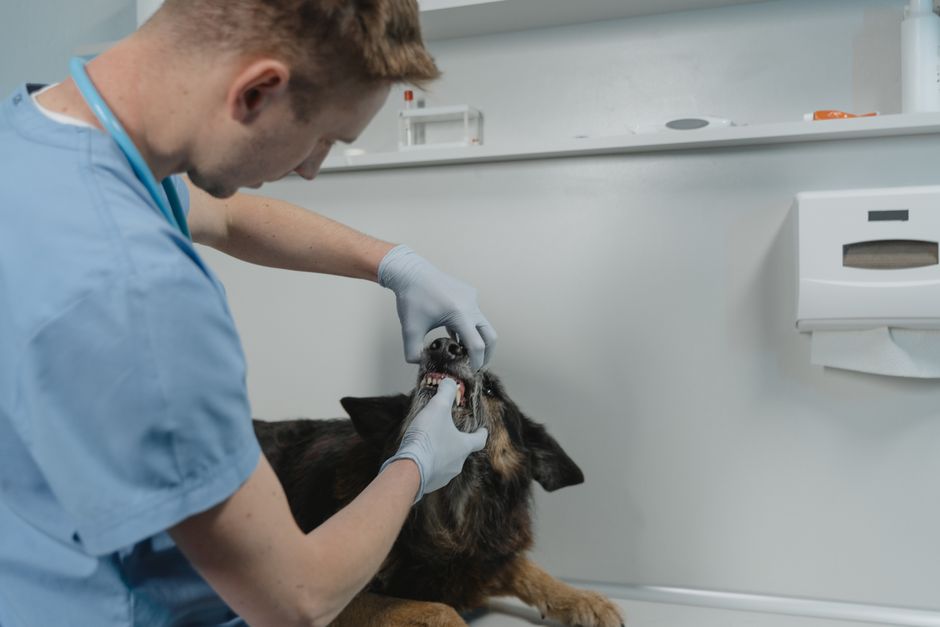
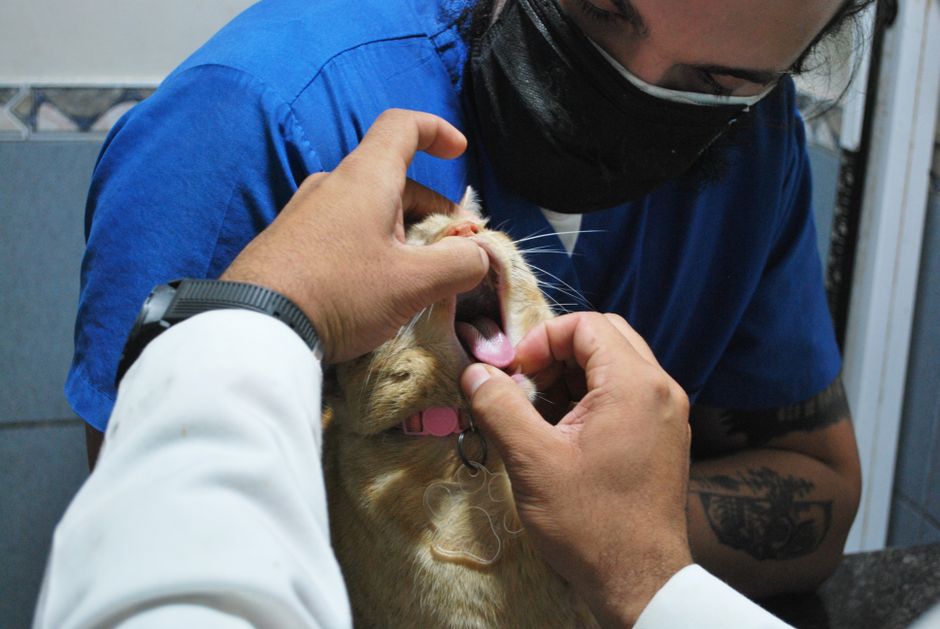
If you observe any of these signs, it is important to schedule a prompt evaluation. Ignoring dental injuries can lead to infection, abscesses, or long-term oral pain. At Animal Dental Clinic, our veterinary dentistry team uses advanced diagnostic tools, including dental radiography, to detect even hidden fractures and underlying damage.
Understanding the Causes of Tooth Fractures in Pets
Tooth fractures in pets often result from a combination of natural curiosity, playfulness, and environmental hazards. Dogs with strong jaws may fracture teeth when chewing on objects that are too hard, such as antlers, bones, rocks, or certain synthetic toys. Cats can chip or break teeth during falls, rough play, or when biting down on hard food items. Certain breeds with powerful bites or malocclusion (misaligned teeth) may also be at higher risk.
In addition to traumatic injuries, underlying dental disease can weaken teeth and make them more susceptible to breaking. Enamel defects, cavities, and previous dental work may all contribute to a tooth’s vulnerability. Seasonal changes can play a role as well; for example, increased outdoor activity in the warmer months leads to more opportunities for pets to encounter hazards that could damage their teeth.
It is also important to remember that pets rarely show pain in obvious ways. A tooth that is cracked or broken may not bleed or cause swelling immediately, but it can still be very uncomfortable and lead to more serious oral health problems if left untreated. This is why pet dentistry in Vienna, VA, focuses not only on treating visible injuries but also on identifying predisposing factors and providing preventive care.
Veterinary Dental Treatment Options for Fractured Teeth
When a pet experiences a tooth fracture, specialized veterinary dental care is essential for both pain relief and long-term oral health. At Animal Dental Clinic, our veterinary dentists are equipped with advanced tools and techniques to address a wide range of dental injuries, from minor chips to severe fractures that affect the tooth root.
Treatment approaches for fractured teeth depend on the severity and location of the damage. For minor chips that do not expose the sensitive pulp, pet dental restoration or bonding materials may be used to seal and protect the tooth. More significant breaks, especially those that expose the nerve, often require endodontic therapy such as a root canal to relieve pain, prevent infection, and preserve the tooth structure. Our endodontic services are designed to save damaged or infected teeth whenever possible.
In cases where a tooth cannot be saved, extraction may be the best option to prevent ongoing discomfort or infection. Our team provides safe, effective pet tooth extraction with advanced anesthesia and pain management protocols, so your pet can recover quickly and comfortably.
All treatment decisions are made with your pet’s comfort and long-term health in mind. We use digital radiography to assess the full extent of the injury and recommend the most appropriate care. Our veterinary dentists will guide you through the options, explain each step, and answer any questions you have about your pet’s recovery.
Preventing Tooth Fractures in Active Pets: Home Care and Professional Guidance
While accidents can happen, there are many steps you can take to reduce your pet’s risk of dental injuries. The foundation of prevention is regular dental checkups with a veterinary dentistry specialist, who can identify early signs of wear, disease, or vulnerability. Our Comprehensive Oral Health Assessment and Treatment includes a thorough evaluation of every tooth and provides personalized recommendations for your pet’s lifestyle.
At home, select toys and chew items that are safe for your pet’s size and chewing style. Avoid giving hard objects such as real bones, antlers, rocks, or hard plastic toys, as these are common culprits in tooth fractures. Instead, choose softer rubber or fabric toys that provide entertainment without risking dental damage. Monitor your pet during play, and remove any items that show signs of becoming too hard or worn out.
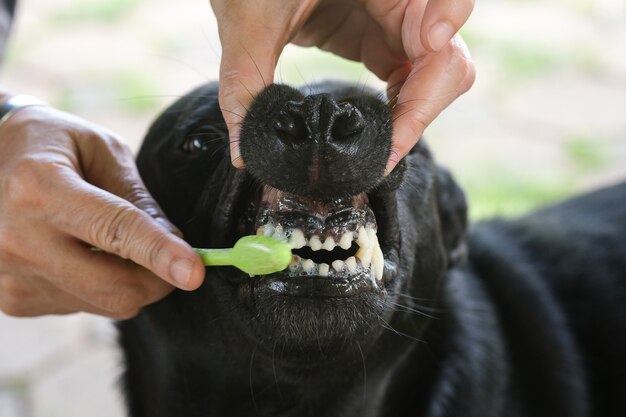
Good oral hygiene also plays a critical role in preventing fractures. Regular tooth brushing with pet-safe toothpaste helps keep teeth strong and healthy, while a balanced diet supports enamel strength. If your pet is prone to chewing on inappropriate objects, consider training interventions or supervised play to redirect their behavior.
Finally, stay alert for any changes in your pet’s eating habits, playfulness, or oral comfort. Early detection of dental problems can prevent more serious injuries and help your pet maintain a healthy, pain-free mouth.
When to Seek Veterinary Dental Care: Acting Quickly for Your Pet’s Health
If you notice any signs of a fractured tooth, oral discomfort, or sudden changes in your pet’s behavior, it is important to seek veterinary dental care as soon as possible. Pets who stop playing with toys, drop food, paw at their mouth, or show swelling around the jaw may be experiencing significant pain—even if they are not vocalizing it.
Professional evaluation is critical for determining whether a tooth can be saved or if extraction is necessary. Delaying care can lead to infection, abscesses, and more extensive oral health problems. Our veterinary dentists are specially trained to manage all aspects of pet dentistry, from diagnosis to advanced treatment, ensuring your pet receives the highest level of care.
If your family veterinarian recommends specialized dental care, or if you are searching for a "dental vet near me," Animal Dental Clinic is your trusted referral destination for advanced pet dentistry in Vienna and the surrounding region. We work closely with general practitioners to provide seamless, comprehensive oral health solutions.
For more information on how we diagnose and treat dental injuries, or to schedule a consultation, contact our veterinary dentistry professionals. We are committed to keeping your pet comfortable, healthy, and smiling for years to come.
Protect Your Pet’s Smile: Contact Animal Dental Clinic Today
Tooth fractures can happen to even the most careful pets, but with the right preventive measures and timely professional care, your pet’s dental health can be protected. At Animal Dental Clinic, our veterinary dentists are proud to serve pets and their families in Vienna and surrounding communities, offering advanced pet dentistry tailored to each pet’s needs.
If you are worried about chipped teeth, notice changes in your pet’s eating habits, or want to ensure your pet’s mouth is as healthy as possible, reach out to our team for a dental evaluation. We are here to help with everything from pet dental restoration to comprehensive oral health assessments, using the latest technology and compassionate care.
To schedule an appointment or learn more about our services, call (703) 281-5900 or visit us at 410 Maple Avenue West, Suite #1, Vienna, VA 22180. When searching for a dental vet near me, trust Animal Dental Clinic to be your partner in pet oral health.
For additional resources on pet dental health, you can visit the American Veterinary Dental College or contact our clinic directly with any questions. Your pet’s comfort and happiness are our top priority—let us help your companion maintain a bright, healthy smile for life.
This blog is for informational purposes only and does not replace professional veterinary advice. If you suspect your pet has a dental injury or is in pain, consult your veterinarian or a board-certified veterinary dentist as soon as possible.