Pet Dental Emergencies: What to Do Before Your Appointment

Pet Dental Emergencies: What to Do Before Your Appointment
Dental emergencies in dogs and cats can happen when you least expect it, leaving you anxious about your pet’s pain and worried about their long-term health. Whether your dog fractured a tooth during a game of fetch or your cat seems suddenly unable to eat, knowing what to do in those first critical moments can make all the difference. At Animal Dental Clinic in 410 Maple Avenue West, Suite #1, Vienna, VA 22180, we understand how distressing oral injuries and dental pain can be for both pets and their families. Our veterinary dentistry and oral surgery team specializes in advanced dental care for pets, providing the expertise and compassionate approach you need when emergencies arise. In this guide, we’ll walk you through the signs of dental emergencies, immediate steps you can take at home, and how seeking specialized care at Animal Dental Clinic can lead to the best outcomes for your pet’s oral health.
Recognizing a Pet Dental Emergency: Signs Your Dog or Cat Needs Immediate Help
Dental emergencies in pets are often sudden and dramatic, but some situations develop more quietly. Knowing what to look for helps you act quickly. Common signs that your pet may be experiencing a dental emergency include sudden reluctance to eat, dropping food while chewing, pawing at the mouth, or vocalizing in pain. You might notice visible bleeding from the mouth, excessive drooling that is tinged with blood, swelling of the face or jaw, or foul-smelling breath that appears rapidly. Broken or discolored teeth, loose teeth, or teeth that suddenly appear longer than usual are also red flags. In more severe cases, you could see pus or discharge along the gumline, or your pet may refuse to let you touch their face entirely.
It’s important to remember that pets, especially cats, can be very stoic and may hide their discomfort. Subtle changes in appetite, personality, or grooming habits can signal an underlying dental issue. If you notice any of these warning signs, prompt action is vital.
Understanding the Causes of Dental Emergencies in Pets
Dental emergencies can be caused by a range of situations, from trauma to underlying disease. Common causes include fractured teeth from chewing on hard objects, such as bones or antlers, or injuries from accidental falls and rough play. Cats may suffer from tooth resorption, a painful condition where the tooth structure breaks down beneath the gumline, leading to sudden pain or tooth loss. Severe periodontal disease is another frequent culprit; as infection spreads below the gumline, it can lead to abscesses, loose teeth, or jaw fractures. Oral tumors or growths can also cause sudden swelling or bleeding, requiring urgent evaluation.
Even well-cared-for pets in Vienna and surrounding communities can experience dental injuries. Our local climate, with wet springs and humid summers, can contribute to the growth of bacteria in your pet’s mouth, increasing the risk of infection if a dental injury occurs. Understanding the root cause of a dental emergency is key to ensuring your pet receives the most appropriate care.
Professional Treatment Options at a Veterinary Dental Clinic
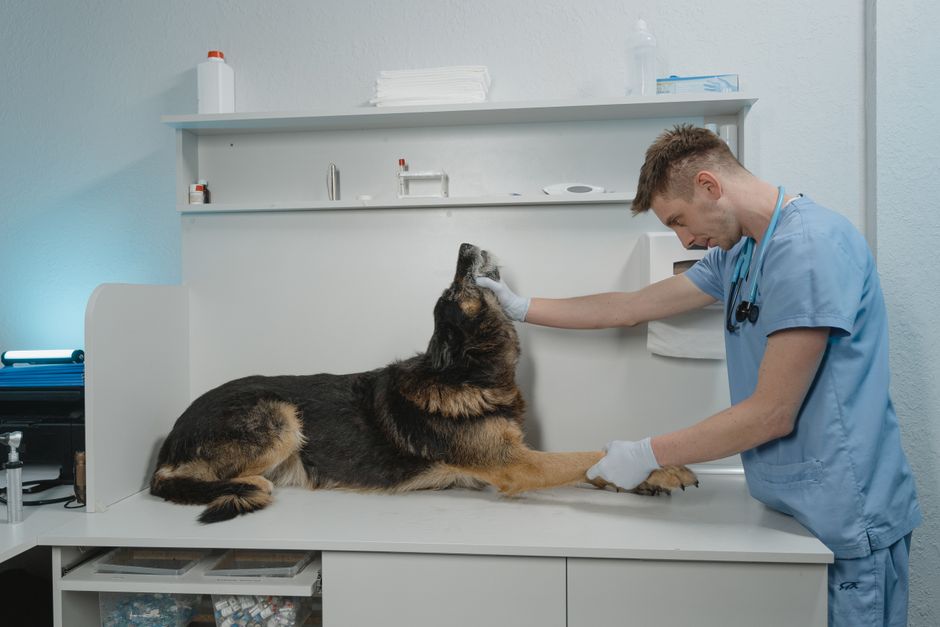
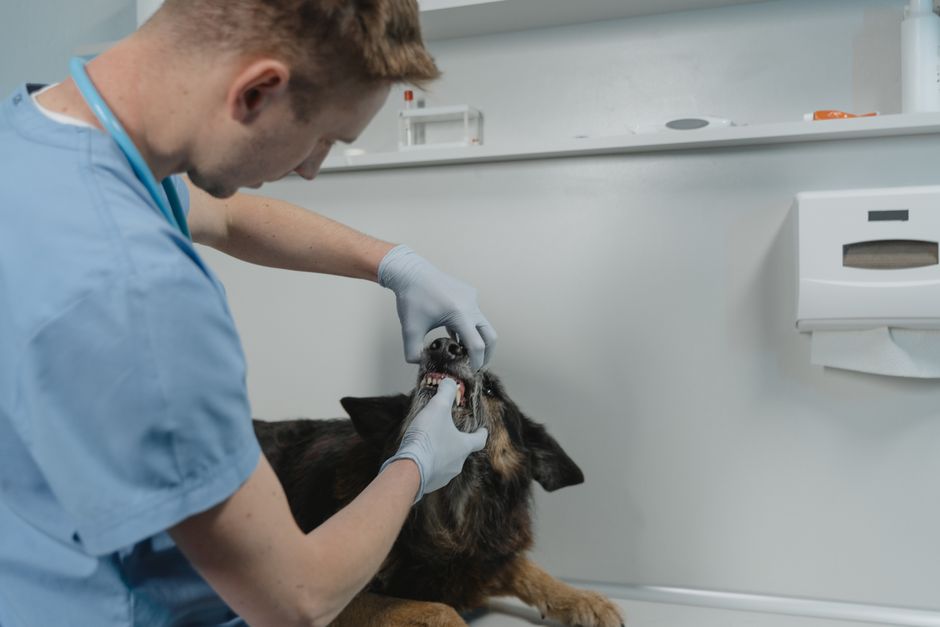
When you bring your pet to Animal Dental Clinic for a dental emergency, our team of veterinary dentists and oral surgeons will perform a thorough evaluation, which may include digital oral radiology or advanced imaging to assess the full extent of the injury. Treatment options depend on the specific problem but may involve pain management, dental repair for chipped or fractured teeth, or more advanced procedures such as root canal therapy or surgical extraction.
For teeth with exposed pulp or deep fractures, advanced endodontic procedures can relieve pain and preserve your pet’s natural tooth structure whenever possible. You can learn more about these specialized treatments by visiting our page on advanced root canal and pulp therapy. When infection or extensive damage is present, tooth extraction may be necessary to prevent further complications; our pet tooth extraction services ensure that your pet’s comfort and safety are always our top priority.
All dental procedures at Animal Dental Clinic are performed under general anesthesia, which is carefully tailored to your pet’s individual needs. If you’re interested in learning about the importance of anesthesia for safe and effective dental care, we invite you to read our resource on safe anesthesia options for dental procedures in pets.
Immediate Home Care for Pet Dental Emergencies
While waiting for your appointment with our veterinary dental team, there are steps you can take to keep your pet as comfortable and safe as possible. If your pet is bleeding from the mouth, gently apply pressure with a clean cloth or gauze, taking care not to be bitten. Avoid offering hard food, treats, or toys; instead, provide soft food or soaked kibble to minimize discomfort. It’s best to keep your pet calm and restrict activity to prevent further injury.
Do not attempt to remove broken teeth or foreign objects from your pet’s mouth on your own, as this can worsen the injury or cause additional pain. Refrain from using any human medications or home remedies unless specifically instructed by a veterinarian, as some substances can be toxic to pets. Monitor your pet closely for changes in breathing, swelling, or worsening pain, and make note of any new symptoms to share with your veterinary dental team.
If your pet is having trouble breathing, is drooling excessively with visible swelling, or if you see pus or discharge, these are signs that the infection or injury is severe and requires urgent attention.
Preventing Future Dental Emergencies: Steps for Pet Owners
While not all dental emergencies can be prevented, there are steps you can take to reduce your pet’s risk. Regular dental checkups and professional cleanings are essential for maintaining oral health and catching problems before they become emergencies. At Animal Dental Clinic, our comprehensive oral health assessment and treatment program is designed to identify early signs of dental disease and recommend targeted interventions.
At home, provide safe chew toys appropriate for your pet’s size and chewing habits, and avoid giving bones, antlers, or hard nylon toys that can fracture teeth. Brushing your pet’s teeth regularly using pet-safe toothpaste, along with offering dental-friendly diets or treats, can help reduce plaque buildup and gum disease. For guidance on home dental care techniques, explore our educational how-to videos and browse our pet library for more resources.
Taking these preventative steps supports your pet’s long-term oral health and reduces the likelihood of future emergencies.
When to Seek Immediate Veterinary Dental Care
It can be difficult to know when a situation requires emergency intervention versus when it’s safe to wait for a scheduled appointment. Immediate veterinary care is necessary if your pet is bleeding from the mouth and the bleeding does not stop within a few minutes, has a tooth that is visibly fractured or displaced, is refusing to eat or drink, or shows signs of severe pain such as constant vocalization or inability to settle. Swelling of the face or jaw, especially if accompanied by fever or lethargy, can indicate a spreading infection that needs urgent attention.
If you are ever in doubt, it is always safest to contact our veterinary dental team at Animal Dental Clinic for advice. Prompt professional evaluation not only relieves your pet’s pain but also prevents complications that could affect their overall health. Our team is dedicated to providing advanced care for dental emergencies and will work with your regular veterinarian to ensure continuity of care.
Why Specialized Dental Care Matters for Your Pet
Dental emergencies are not only painful but can also have lasting effects on your pet’s health if not addressed by experts familiar with the complexities of veterinary dentistry. At Animal Dental Clinic, we use advanced imaging, specialized equipment, and years of focused expertise to deliver the highest standard of care for every patient. Our flexible closing hours make it easier for you to access care when your pet needs it most.
Choosing a specialty dental clinic ensures that your pet benefits from the latest techniques in pain control, dental restoration, and oral surgery. Whether your pet needs immediate tooth extraction, endodontic therapy, or repair of a complicated oral fracture, our veterinary dental team is uniquely equipped to help.
Take Action: Ensure the Best Outcome for Your Pet’s Oral Health
When your dog or cat faces a dental emergency, acting quickly and seeking the right help can make all the difference. By recognizing the signs of trouble, providing supportive care at home, and reaching out to a specialized veterinary dental team, you give your pet the best chance for a comfortable recovery and long-term oral health.
If you notice any signs of dental distress or injury, don’t wait. Contact Animal Dental Clinic at (703) 281-5900 or visit our Vienna location for expert evaluation and care. Our team is committed to supporting pet owners in Vienna and surrounding communities with advanced dental services and compassionate attention. When searching for a dentistry vet near me, remember that our specialized team is here to help your pet feel comfortable again.
For more information about dental emergencies, common procedures, and home care, explore our FAQ on pet dental and veterinary care or browse our educational pet library. Your pet’s comfort, health, and happiness are always our top priorities.