How Weather and Allergies Affect Pet Dental Health
How Weather and Allergies Affect Pet Dental Health
As the crisp air of September settles over Vienna, VA and the surrounding communities, many pet owners notice that their dogs and cats become more energetic, eager for longer walks, or perhaps a bit more prone to sneezing as fall allergies flare up. What often goes overlooked is the surprising impact that seasonal changes, especially weather shifts and allergies, can have on your pet’s dental health. At Animal Dental Clinic, located at 410 Maple Avenue West, Suite #1, Vienna, VA 22180, our veterinary dental team specializes in advanced oral care for dogs and cats. We understand how factors like humidity, temperature swings, and environmental allergens can influence not just your pet’s comfort, but also their oral health. In this blog, we will explore the connections between weather, allergies, and dental problems in pets, describe signs to watch for, and explain how specialty dental care can help your companion stay healthy all season long. We will also offer practical tips for prevention and guidance on when to seek professional help.
Recognizing the Signs: When Weather and Allergies Affect Your Pet’s Mouth
It can be difficult to tell when seasonal changes are taking a toll on your pet’s oral health, since dogs and cats often hide discomfort until problems become more advanced. However, there are subtle clues you can watch for that may indicate weather or allergy-related dental issues. Common symptoms include increased drooling, bad breath, or pawing at the mouth. You might notice your pet becoming picky with food, dropping kibble, or refusing hard treats they once loved. In dogs, swollen or bleeding gums may arise after exposure to outdoor allergens or as dry air leads to gum irritation. Cats are prone to developing red, inflamed gums, especially during high pollen months or when indoor air is particularly dry from heating systems. If your pet is sneezing more than usual, has watery eyes, or seems generally uncomfortable after time outside, these allergy symptoms can be linked to inflammation in the mouth as well.
Sometimes, these oral changes are accompanied by more general signs of discomfort, such as lethargy or reluctance to play. In severe cases, you might observe visible sores inside the mouth, oral ulcers, or even a foul odor that persists despite regular home care. If you notice any of these changes, it is important to remember that they can signal both dental disease and seasonal allergies working together. For a detailed overview of what to look for, you can review the signs of dental disease in dogs, including bad breath and swollen gums, or learn more about severe red gums and drooling in cats associated with feline stomatitis on our website.
Why Seasonal Weather and Allergies Impact Pet Dental Health
You may wonder how a change in the weather or a spike in pollen can influence your dog or cat’s mouth. The connection lies in how environmental stressors interact with the oral tissues and immune system. During autumn, increased pollen counts from ragweed and other local plants can trigger allergic responses in pets, just as they do in people. These allergies cause inflammation throughout the body, including the gums and oral mucosa. Inflammation can weaken the natural defenses of the mouth, making it easier for bacteria to take hold and cause dental disease.
Humidity and temperature swings also play a role. As the air becomes drier, especially indoors with the onset of heating season, your pet’s mouth can dry out. This reduction in natural saliva flow means less mechanical washing away of bacteria and debris. Dry mouths are more prone to plaque buildup, leading to gingivitis and, eventually, periodontal disease. Conversely, high humidity after summer storms may encourage bacterial growth, compounding the risk of infection if your pet already has mild gum inflammation.
Outdoor activity tends to increase in the fall, with pets spending more time exploring leaf piles or grassy fields. While this is great for enrichment, it also raises the risk of oral injuries from sticks, grass awns, or accidental trauma during play. Allergens can stick to toys and fur, finding their way into the mouth and prolonging exposure. All of these factors combine to make autumn a season when dental problems may flare up or progress more quickly if not caught early.
How Specialized Veterinary Dental Care Addresses Seasonal Oral Concerns
At Animal Dental Clinic, our team of veterinary dental professionals is uniquely equipped to address the oral health challenges that arise during weather and allergy transitions. Advanced dental care for pets goes far beyond routine cleanings; it involves a detailed evaluation of the entire oral cavity using specialized diagnostic tools and the latest treatment options. When a pet presents with symptoms linked to seasonal changes—such as inflamed gums, persistent bad breath, or oral discomfort—our approach begins with a comprehensive oral health assessment and treatment.
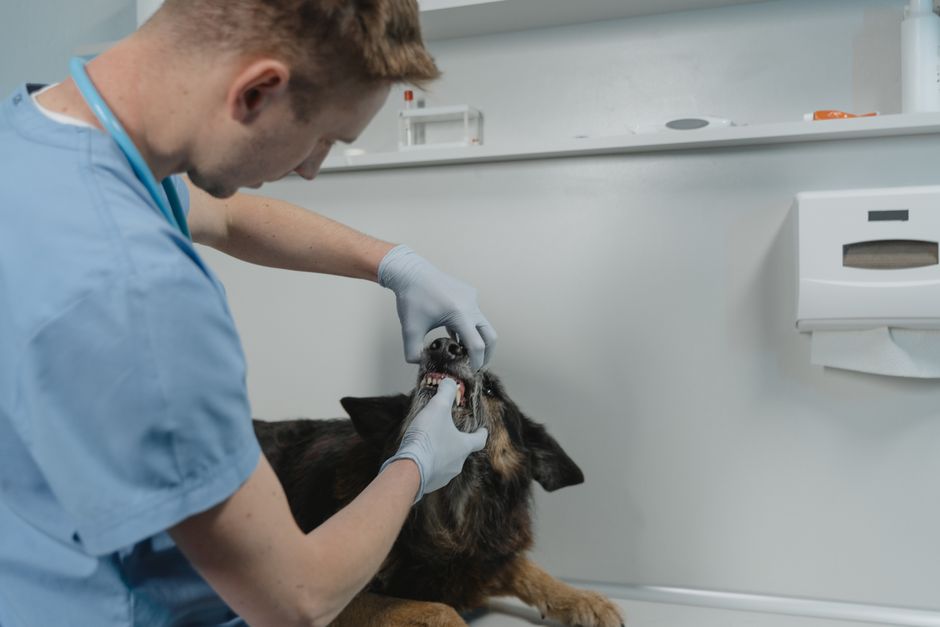
This assessment includes a thorough examination under anesthesia, digital oral radiology to check for hidden disease below the gum line, and in some cases, advanced imaging such as CBCT scans. If inflammation or lesions are detected, treatment may involve gentle cleaning of the teeth and gums, targeted extraction of damaged teeth if necessary, or even dental repair for chipped or fractured teeth that may result from increased outdoor play. For pets suffering from severe allergy-related oral disease, such as ulcerative stomatitis in cats or chronic gingivitis in dogs, we may recommend advanced procedures and close collaboration with your primary care veterinarian or veterinary dermatologist to ensure comprehensive care.
Our focus on specialty dentistry means we are able to address complex cases that go beyond the scope of general veterinary practices. From endodontics to oral surgery, we tailor each treatment plan to your pet’s unique needs, always considering the ways environmental and seasonal factors may be contributing. By working with a specialty dental team, your pet receives the highest standard of care, especially when routine management is not enough to resolve the problem.
Home Care and Prevention: Supporting Your Pet’s Oral Health Through Seasonal Transitions
While professional dental care is essential for addressing established oral disease, there is much that pet owners can do at home to protect their dog or cat’s mouth during the fall months. Daily tooth brushing remains the gold standard for home care, but consistency can be especially important when allergies and weather changes threaten to tip the balance. If your pet is sneezing or experiencing mild allergy symptoms, gently wiping their mouth after outdoor activities can help remove pollen and debris before it irritates the gums.
Hydration is another key factor. Encourage your pet to drink plenty of fresh water, especially as indoor air becomes drier. Using a humidifier in your home may benefit both you and your pet by reducing oral dryness and supporting overall mucosal health. Offering safe chew toys can help stimulate saliva flow and naturally clean the teeth, but always monitor for signs of wear or splinters that could cause injury. For those seeking additional support, consider exploring home care products to support pets’ ongoing dental health or watching how-to videos for pet dental care and home oral health support to improve your techniques at home.
Regular check-ups with your primary care veterinarian are vital, but pets with ongoing oral issues or a history of dental disease may require more frequent visits to a veterinary dental specialist. By being proactive during seasonal transitions, you can help ensure that fall allergies or weather changes do not become the starting point for more serious dental problems.
When to Seek Veterinary Dental Care: Knowing the Right Time
As a pet owner, it is important to know when seasonal changes or allergy symptoms have progressed beyond what can be managed at home. Signs that warrant prompt evaluation by a veterinary dental professional include persistent bad breath, visible swelling or bleeding of the gums, reluctance to eat or difficulty chewing, and any signs of oral pain such as pawing at the mouth or sudden withdrawal from play. If your pet develops sores inside the mouth, excessive drooling, or you notice loose or missing teeth, these are urgent indicators that specialized care is needed.
Pets with chronic allergies who experience repeated flare-ups of oral inflammation may benefit from a collaborative approach between your primary veterinarian and a veterinary dental specialist. Our team at Animal Dental Clinic is here to provide advanced diagnostics and treatments that are tailored to the unique challenges of allergy and weather-related dental disease. Early intervention can prevent minor seasonal issues from becoming major health concerns, preserving your pet’s comfort and quality of life.
If you are unsure whether your pet’s symptoms are related to dental disease, allergies, or a combination of both, our team of veterinarians is always available to answer questions and guide you toward the best next steps.
Keeping Your Pet’s Smile Healthy in Every Season
Seasonal transitions in Vienna, VA can present unique challenges for your pet’s dental health, especially when allergies and fluctuating weather conditions are in play. By staying alert to changes in your pet’s behavior, mouth, and overall comfort, you can catch oral health issues early and seek timely care. Practicing consistent home dental care, keeping your pet hydrated, and minimizing allergen exposure will go a long way toward prevention.
If you notice any concerning symptoms or would like to schedule a specialized assessment, our veterinary dental professionals at Animal Dental Clinic are ready to help. Whether your pet needs a detailed oral evaluation, advanced treatment, or guidance on home care through the fall season, you can trust our team to provide the highest standard of specialty dental care. To schedule a consultation or learn more about our services, call (703) 281-2900 or visit us at 410 Maple Avenue West, Suite #1, Vienna, VA 22180. When searching for a dentistry vet near me, choosing a dedicated specialty team ensures your pet’s oral health is in expert hands—no matter the season.
For more information on specialized dental assessments and treatments, visit our page on comprehensive oral health assessment and treatment, or explore our home care products to support pets’ ongoing dental health. Your pet’s healthy smile is our priority all year long.