How to Spot Hidden Dental Pain in Pets

How to Spot Hidden Dental Pain in Pets
Dental pain in dogs and cats is often silent, yet it can have a profound impact on your pet’s quality of life. Many pets instinctively hide signs of oral discomfort, making it difficult for even the most attentive owners to realize their companion is suffering. At Animal Dental Clinic, located at 410 Maple Avenue West, Suite #1, Vienna, VA 22180, our team of veterinary dental specialists is dedicated to uncovering the subtle symptoms of dental disease and providing advanced oral care tailored to each pet’s needs. In this blog, we will help you recognize the hidden signs of dental pain, explain why early diagnosis matters, and describe how our specialty dentistry services can restore your pet’s comfort and health. Whether you live in Vienna or the surrounding communities, our goal is to ensure that your pet smiles pain-free this season.
Recognizing the Hidden Signs of Dental Pain in Dogs and Cats
Dental discomfort is rarely obvious in pets. Unlike humans, dogs and cats often continue eating and behaving normally even when they are experiencing significant pain. This instinct to mask signs of illness is deeply rooted in their survival instincts. For pet owners, it means that some of the most common signs of oral pain are easy to miss or misinterpret.
Key symptoms of dental pain in pets include changes in eating habits, such as dropping food, chewing on one side of the mouth, or showing reluctance to eat hard kibble. You may notice your dog or cat pawing at their mouth, drooling more than usual, or avoiding play with chew toys. Bad breath, which many owners dismiss as a normal part of pet ownership, can signal underlying dental disease. Additional signs to watch for are red or swollen gums, facial swelling, or visible bleeding from the mouth. In some cases, pets may become withdrawn, irritable, or less interested in social interaction due to ongoing discomfort.
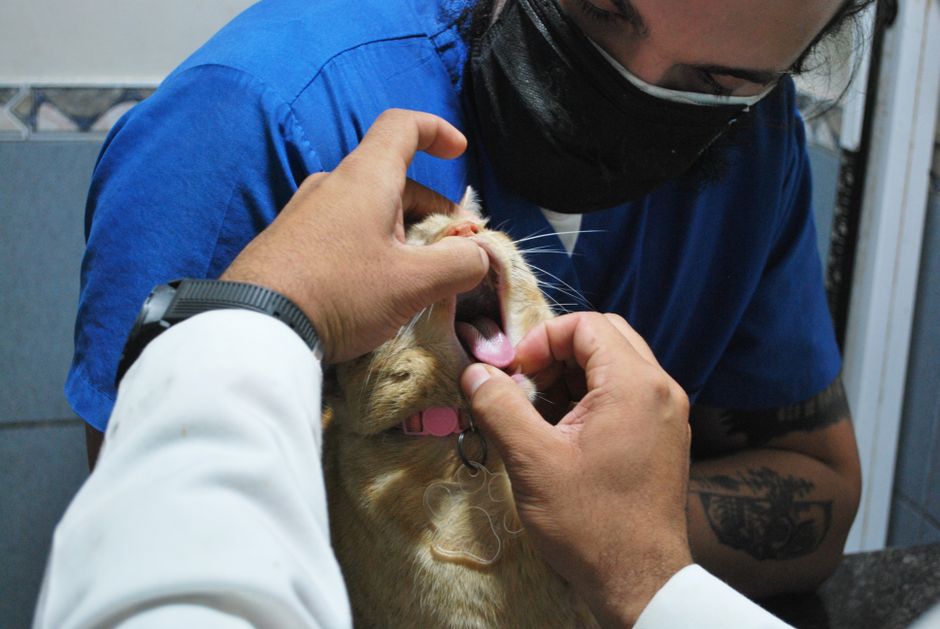
Certain symptoms can be especially subtle in cats. Feline patients with tooth resorption or oral ulcers may simply eat less, groom less frequently, or hide more often. If you observe your cat pawing at their mouth or showing reluctance to eat, it is important to consider dental pain as a potential cause. More information about feline dental disease can be found in our resource on signs of feline tooth resorption and oral pain.
Understanding Why Dental Pain Develops in Pets
Dental pain in pets typically results from underlying conditions such as periodontal disease, fractured teeth, oral infections, or resorptive lesions. Periodontal disease is one of the most common health problems seen in both dogs and cats, affecting the tissues and bone that support the teeth. Over time, untreated plaque and tartar can lead to gum inflammation, tissue destruction, and painful infections.
Fractured or broken teeth are another frequent source of discomfort, often caused by chewing on hard objects like bones, antlers, or even certain toys. In cats, tooth resorption is a common and particularly painful condition in which the body begins to break down and absorb the tooth structure. Oral masses, ulcers, and advanced dental disease can also be sources of significant pain.
Some pets are genetically predisposed to dental problems. Small dog breeds, brachycephalic (short-nosed) breeds, and senior pets are at increased risk for oral health issues. Additionally, underlying medical conditions such as diabetes or immune disorders can make pets more susceptible to dental infections and delayed healing.
Specialty Diagnosis and Treatment: What to Expect from a Veterinary Dental Specialist
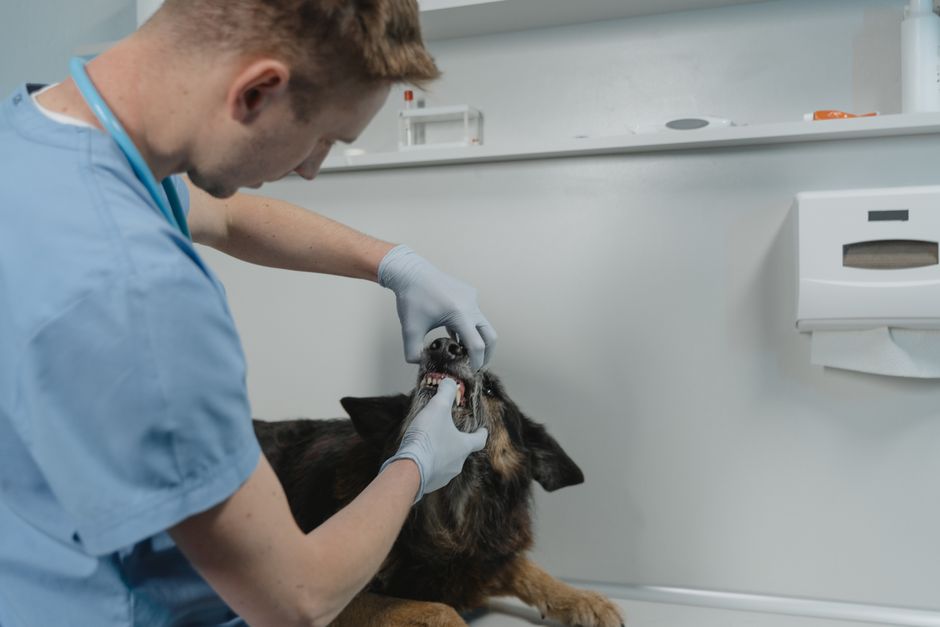
When your pet is showing signs of dental pain, a thorough examination by a veterinary dental specialist is the best way to uncover the root cause and develop a treatment plan. At Animal Dental Clinic, we provide advanced diagnostics and individualized care to address even the most complex oral health problems in dogs and cats.
During your pet’s visit, our team will perform a comprehensive oral health assessment, which may include digital oral radiographs or three-dimensional imaging to evaluate the extent of disease beneath the gumline. Many dental problems are not visible during a routine examination, making high-quality imaging an essential part of the diagnostic process. You can read more about our comprehensive oral health assessment and treatment services to understand what is involved in a specialty dental evaluation.
If an oral disease is detected, treatment options may include professional dental cleaning, extraction of severely affected teeth, surgical repair of fractures, or advanced endodontic procedures to save damaged teeth. Our veterinary dental specialists are trained in complex oral surgery, including root canal therapy, dental restorations, and management of soft tissue masses. For challenging cases, such as those involving oral tumors or jaw fractures, our team utilizes state-of-the-art imaging and surgical techniques to maximize your pet’s comfort and recovery.
Safe and effective anesthesia is a crucial part of advanced dental care for pets, particularly for older or high-risk patients. We provide specialized anesthesia protocols tailored to your pet’s individual health status to ensure the safest possible experience.
Home Care and Prevention: Protecting Your Pet’s Smile
While professional dental care is essential for treating established disease, home care plays a vital role in preventing dental pain and supporting your pet’s long-term oral health. Brushing your pet’s teeth regularly with a pet-safe toothpaste is the most effective way to reduce plaque and tartar buildup. If your pet is not amenable to brushing, dental diets, chews, and water additives can provide additional support.
It is important to observe your pet’s daily habits and monitor for any changes. If you notice decreased appetite, reluctance to chew, or changes in temperament, these could be early indicators of oral discomfort. Regular dental check-ups with your primary veterinarian and timely referral to a veterinary dental specialist can help catch problems before they become severe.
Our team can provide guidance on effective home care routines and recommend products that are proven to support dental health in dogs and cats. Preventive dental care is an investment in your pet’s overall well-being, comfort, and longevity.
When to Seek Specialty Veterinary Dental Care
Determining when to seek veterinary care for dental pain can be challenging, especially when symptoms are subtle. If your pet is showing any of the signs discussed above—such as persistent bad breath, swollen or bleeding gums, drooling, or difficulty eating—it is important to consult with your veterinarian. Your primary care veterinarian can perform an initial assessment and refer you to a veterinary dental specialist for advanced care when needed.
Certain situations require prompt attention from a dental specialist. These include broken or fractured teeth, visible oral masses, chronic mouth infections, severe gingivitis, and conditions that do not improve with routine dental cleanings. Cats who paw at their mouth, drool excessively, or develop severe red gums may be experiencing conditions like stomatitis or tooth resorption, both of which require specialized diagnosis and treatment. For more information on severe oral inflammation in cats, visit our page on feline stomatitis and oral ulcers.
If your pet is a senior, has a chronic health condition, or has experienced complications with anesthesia in the past, seeking care from a veterinary dental specialist ensures that their unique needs are addressed safely. We offer specialty anesthesia protocols and advanced monitoring to support even high-risk patients.
Why Early Diagnosis and Advanced Treatment Matter
Delaying dental care can lead to ongoing pain, infection, and a decline in your pet’s overall health. Chronic dental disease can contribute to heart, kidney, and liver problems, making prompt diagnosis and treatment essential for pets of all ages. Early intervention not only relieves pain and restores normal function but also helps prevent more serious complications down the road.
At Animal Dental Clinic, our veterinary dental specialists serve as a referral destination for primary care veterinarians in Vienna and the surrounding areas. We work closely with your family veterinarian to ensure seamless communication and continuity of care. Our commitment to advanced diagnostics, compassionate treatment, and ongoing support means your pet receives the highest level of dental care available.
Give Your Pet a Pain-Free Smile: Dental Care from a Veterinary Dental Specialist Near You
Your pet deserves a comfortable, healthy mouth and a pain-free life. If you suspect your dog or cat may be suffering from hidden dental pain, or if your veterinarian has recommended a specialty evaluation, our veterinary dental team is ready to help. When searching for a dental vet near me, look for a practice that offers advanced diagnostics, specialty oral surgery, and personalized care for every patient.
To schedule a consultation or learn more about our services, contact Animal Dental Clinic at (703) 281-2900, conveniently located at 410 Maple Avenue West, Suite #1, Vienna, VA 22180. Our veterinary dental specialists are dedicated to restoring your pet’s comfort and well-being. Explore our comprehensive oral health assessment and treatment or learn more about digital oral radiology for diagnosing hidden dental problems in pets to understand how we can support your pet’s oral health journey.
Give your pet the gift of a healthy, pain-free smile this season—reach out today and let our team provide the expert dental care your companion deserves.
This blog is intended for informational purposes only and does not replace professional veterinary advice. If your pet is experiencing symptoms of dental pain, please consult your veterinarian or a veterinary dental specialist for an accurate diagnosis and appropriate treatment.