How Cold Weather Impacts Your Pet’s Dental Health
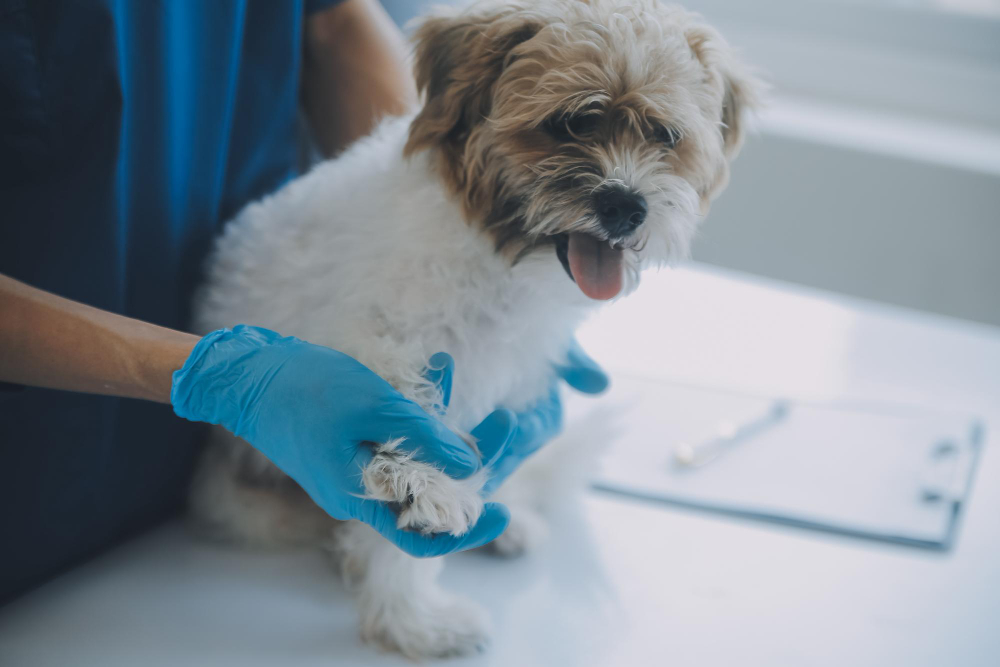

How Cold Weather Impacts Your Pet’s Dental Health
Winter brings cozy evenings and crisp walks, but for many pet owners in Vienna, VA and surrounding communities, it also raises important questions about their pets’ health. While you may be aware of the risks that cold weather poses to paws and coats, have you ever wondered if chilly temperatures could affect your pet’s dental health? At Animal Dental Clinic, located at 410 Maple Avenue West, Vienna, VA 22180, our veterinary dental specialists often see unique oral health challenges that surface during the winter months. In this post, we’ll explore how cold weather can influence your pet’s teeth and gums, what warning signs to watch for, and when to seek expert care. Whether your companion needs an advanced oral surgery or a routine dental cleaning, our team is here to help your pet smile brightly through every season.
Recognizing Dental Health Problems in Your Pet During Winter
As temperatures drop, pets may experience changes in their behavior or comfort levels that could be linked to dental issues. Some pet owners notice that their dog or cat becomes more reserved about eating or playing with toys during the colder months. Key symptoms that can signal a dental problem during winter include reluctance to eat hard food, pawing at the mouth, increased drooling, or even vocalizing when eating. Additionally, you may notice bad breath, swelling around the face, or visible tartar and redness along the gumline.
It is not uncommon for pets with underlying dental discomfort to become less active or show subtle signs such as chewing on one side of the mouth. In more severe cases, pets may develop swelling under the eyes or along the jaw, which can worsen with exposure to cold weather. Changes in routine, such as spending more time indoors or eating treats that are harder due to colder temperatures, can also bring latent dental issues to light. If your pet seems out of sorts or is suddenly hesitant to chew their favorite treat, it may be time for a dental health assessment.
Why Cold Weather Can Affect Your Pet’s Oral Health
Winter weather in Vienna, VA often means lower humidity and fluctuating indoor temperatures, both of which can impact your pet’s oral health. Dry, heated indoor air can lead to dehydration, reducing saliva production. Saliva plays a crucial role in naturally cleansing the mouth and controlling bacteria, so a decrease can allow plaque and tartar to build up more quickly.
Cold temperatures may also make pets less likely to drink water, further contributing to dehydration and making their mouths more susceptible to bacterial overgrowth. The shift to spending more time indoors may lead some pets to snack more frequently or eat foods that are less abrasive than their usual kibble, which can allow plaque to accumulate. For some pets, the cold can exacerbate existing dental problems such as cracked teeth or sensitive gums, especially if they chew on hard, frozen objects outside.
For pets with pre-existing dental concerns, winter may amplify discomfort due to increased sensitivity in exposed tooth roots or inflamed gums. The combination of chilly air, reduced natural oral rinsing from saliva, and changes in diet can create a perfect storm for dental disease to progress more rapidly during the colder months.
Professional Treatment and Management of Winter-Related Dental Issues
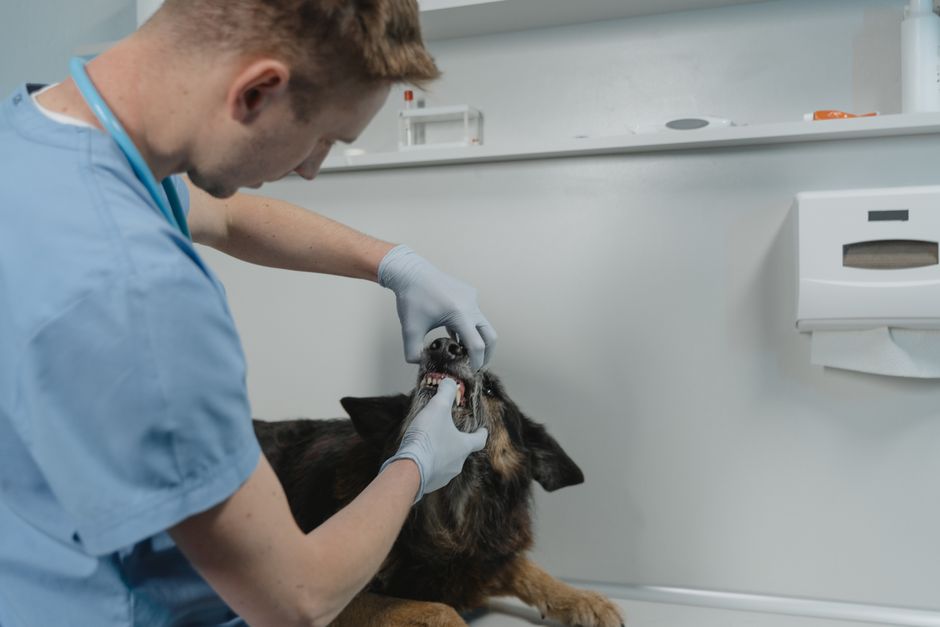
When dental problems are suspected or identified during winter, timely intervention is essential. At Animal Dental Clinic, our veterinary dental professionals are equipped with advanced diagnostic tools such as dental radiography and CBCT scan services to accurately assess the extent of your pet’s oral health needs. These technologies allow us to identify hidden issues like root abscesses, fractures, or bone loss that might not be visible during a standard oral examination.
Treatment approaches depend on the specific condition. For cases involving cracked or broken teeth, our clinic offers dental repair procedures to restore tooth integrity and comfort. If infection or severe decay is present, more advanced options such as pet tooth extractions or oral surgery may be recommended by our veterinary dental specialists. We use general anesthesia for dental procedures to ensure your pet’s safety and minimize stress during treatment.
Routine pet dental cleanings remain one of the most effective ways to prevent and manage dental disease, especially during winter when risk factors may be heightened. Our veterinary team uses specialized equipment to remove tartar and plaque, polish teeth, and treat any early signs of gum disease. For more complex cases, advanced procedures like endodontic therapy or prosthodontic services may be indicated to preserve your pet’s oral health and function.
Throughout every step, our focus is on creating a comfortable, low-stress environment for your pet while delivering the highest standard of specialty dental care. If your pet requires diagnostics, cleaning, or oral surgery, our clinic is prepared to address their unique wintertime dental needs.
Protecting Your Pet’s Teeth at Home During Winter
While professional dental care is essential, there are several steps you can take at home to support your pet’s oral health during the colder months. Ensuring your pet has fresh, unfrozen water available at all times encourages hydration and supports natural saliva production. Offering dental chews approved by your veterinarian can help reduce plaque accumulation when outdoor exercise is limited.
Brushing your pet’s teeth regularly, even in winter, is one of the most effective ways to prevent the build-up of bacteria and tartar. Use a pet-safe toothpaste and introduce brushing gradually if your pet is not already accustomed to it. You can also maintain a consistent feeding routine with diets that promote dental health, avoiding sudden changes that could upset your pet’s routine or make dental problems worse.
Be attentive to any changes in your pet’s eating habits or behavior, as these can be early signs of dental discomfort. If you notice persistent bad breath, bleeding gums, or changes in chewing, it is important to contact your veterinary dental professional for guidance. To learn more about year-round pet dental care, you can explore our pet health library for additional educational resources.
When to Seek Specialty Veterinary Dental Care
Sometimes, despite your best efforts at home, dental problems can progress and become more serious during the winter months. You should seek immediate veterinary dental care if your pet displays persistent pain when eating, visible swelling of the face or jaw, bleeding from the mouth, or signs of infection such as pus or foul odor. Sudden changes in appetite, loss of interest in favorite toys, or visible broken teeth are also reasons to schedule an evaluation as soon as possible.
Because dental disease can advance rapidly in pets, especially when compounded by wintertime factors, early intervention is crucial. Our veterinary dental team at Animal Dental Clinic specializes in diagnosing and treating complex oral health issues that may not be fully addressed by a general practitioner. If your regular veterinarian identifies a dental concern, they may refer your pet to us for advanced care and treatment options tailored to your pet’s specific needs.
If you are searching for a dental vet near me, choosing a specialty practice with advanced capabilities ensures your pet receives the most thorough care possible. By working with a dedicated dental veterinary team, you can help prevent minor issues from turning into major health concerns, protecting your pet’s comfort and wellbeing throughout the winter and beyond.
Protect Your Pet’s Smile This Winter—Contact Animal Dental Clinic Today
As winter continues in Vienna and surrounding communities, now is the perfect time to ensure your pet’s dental health is in top shape. Recognizing the subtle ways cold weather can impact oral health helps you take action before minor discomfort escalates into a more significant problem. Our veterinary dental specialists at Animal Dental Clinic are dedicated to providing advanced diagnostics, effective treatments, and compassionate care for every pet patient.
If you have noticed changes in your pet’s eating habits, suspect dental discomfort, or want to schedule a preventive cleaning, our team is ready to help. To discuss your concerns or book a consultation, call (703) 281-5900 or visit us at 410 Maple Avenue West, Vienna, VA 22180. For more information about our specialty dental services, browse our educational veterinary blog or review our frequently asked questions. Your pet’s healthy smile is our priority, no matter the season.
This blog is intended for educational purposes only and does not replace professional veterinary advice. For specific concerns regarding your pet’s dental health, please consult with a veterinary dental specialist.