How Seasonal Allergies Impact Pet Dental Health
.jpg)
How Seasonal Allergies Impact Pet Dental Health
Springtime in northern Virginia often brings a welcome burst of color, warmer temperatures, and longer days. Yet, for many pet owners in Vienna and surrounding communities, this season also marks the return of pollen, mold, and other allergens that can affect not only people but also dogs and cats. While sneezing and itchy skin are well-known signs of seasonal allergies in pets, many are surprised to learn that these allergies can also have a direct impact on dental health. At Animal Dental Clinic, located at 410 Maple Avenue West, Suite #1, Vienna, VA 22180, our veterinary dentistry team sees firsthand how allergy season can complicate oral health issues in pets. In this blog, we will explore how seasonal allergies can affect your pet’s mouth, what signs to watch for, and when advanced dental care is needed to keep your dog or cat comfortable and healthy.
Recognizing the Signs: How Allergies Can Show Up in Your Pet’s Mouth
When most pet owners think of allergies, they picture symptoms like excessive scratching, watery eyes, or sneezing. However, the mouth is another area where allergy symptoms can develop, and the signs are often subtle at first. You might notice your pet licking their lips more frequently, pawing at their face, or chewing on toys and objects in a way that seems more intense than usual. Some pets may develop bad breath, drool excessively, or show signs of discomfort when eating dry food or chewing treats. In more severe cases, you might see redness along the gumline, swelling of the lips or cheeks, or even small sores inside the mouth.
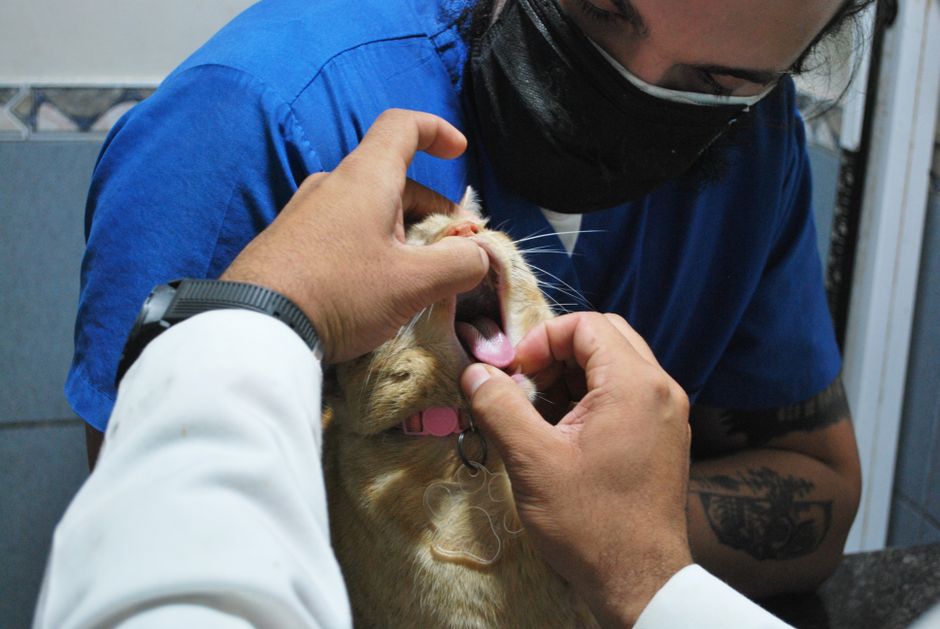
These symptoms are important to recognize because they can mimic or mask underlying dental problems. For example, a dog with allergies might develop inflamed gums that look similar to early periodontal disease. Cats are especially prone to developing ulcers or erosions along the gums or tongue, which can be triggered or worsened by environmental allergens. If your pet is showing any of these signs, it is important to consider both allergy and dental health factors.
The Link Between Seasonal Allergies and Oral Health Problems
Understanding why allergies impact dental health begins with recognizing how the immune system reacts to allergens like pollen, dust, or mold. When a pet with seasonal allergies inhales or ingests these substances, their immune response can cause inflammation not only in the skin and respiratory system but also in the oral tissues. This inflammation can make the gums more susceptible to bacterial infection, accelerate tartar buildup, and compromise the mouth’s natural defenses.
In pets with existing dental issues, allergies can intensify symptoms. For example, a cat with mild gingivitis may experience a sudden flare-up during peak pollen season, leading to increased pain and difficulty eating. Dogs prone to licking and chewing as a way to self-soothe may damage their gums or teeth, creating entry points for bacteria. Additionally, allergic pets often experience dry mouth as a side effect of certain medications or simply from mouth breathing, which further raises the risk of plaque accumulation and infection. The result is a complex cycle where allergies and dental disease feed into each other, making timely intervention even more important.
Advanced Veterinary Dentistry: Treatment Options for Allergy-Related Dental Issues
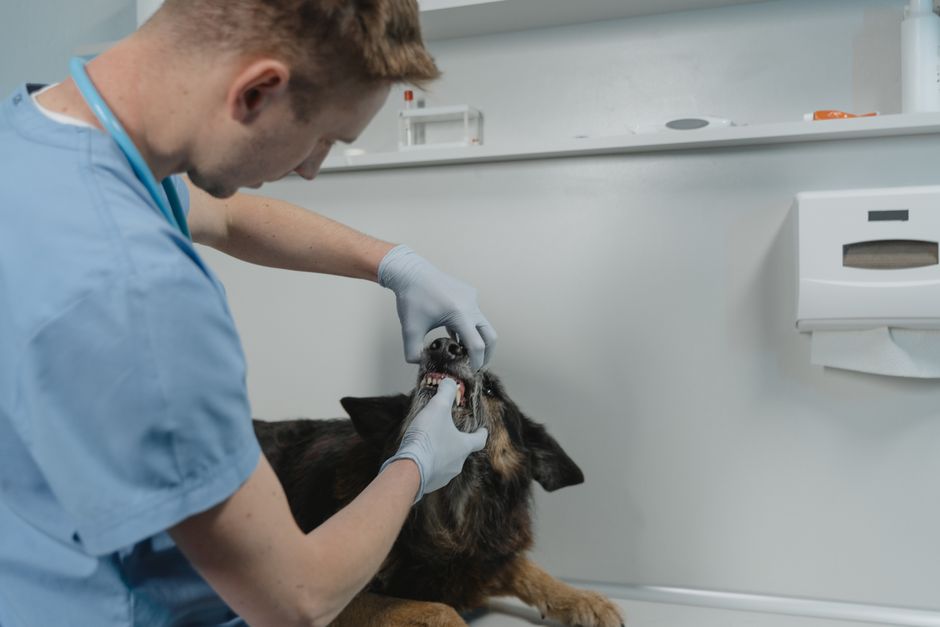
When allergies complicate your pet’s oral health, specialized dental care is crucial for accurate diagnosis and effective treatment. At Animal Dental Clinic, our veterinary professionals offer a range of advanced services tailored to the unique needs of dogs and cats with allergy-related dental concerns. The process typically begins with a Comprehensive Oral Health Assessment and Treatment, which allows our team to evaluate the full extent of any inflammation, infection, or structural changes in the mouth.
Diagnostic tools such as digital oral radiology and CBCT scans help us detect problems that may not be visible during a basic exam. When deeper issues are found, treatments may involve dental repair techniques for chipped or fractured teeth, targeted periodontal therapy, or, if necessary, oral surgery to address severe lesions or abscesses. For pets with painful ulcers or chronic inflammation, specialized procedures such as exodontic (tooth extractions) may be recommended to relieve discomfort and prevent further complications. You can read more about these services on our Exodontic: Tooth extractions and related services for pets page.
Throughout the treatment process, our veterinary dentistry team works closely with your primary care veterinarian and, if needed, veterinary dermatologists or internal medicine specialists to ensure your pet’s allergies and dental health are managed holistically. Safe anesthesia protocols tailored to each individual patient ensure that all procedures are as comfortable and low-risk as possible.
Home Care and Prevention: Supporting Your Pet’s Oral Health During Allergy Season
While professional dental care is essential for treating established problems, there are many steps pet owners can take at home to minimize the impact of allergies on their pet’s mouth. Daily tooth brushing with pet-safe toothpaste is one of the best defenses against plaque buildup and gum inflammation. During allergy season, it is especially important to wipe your pet’s face and muzzle after they have been outside; this helps remove pollen and other allergens that can irritate the lips and gums.
Providing plenty of fresh water encourages saliva production, which naturally helps cleanse the mouth. If your pet is on allergy medication, monitor for signs of dry mouth, such as sticky gums or thick saliva, and discuss any concerns with your veterinary team. Choosing dental-friendly toys and treats can also help keep teeth clean while avoiding excessive chewing that might damage sensitive gums. Finally, keeping your home environment as allergen-free as possible—by using air purifiers, washing bedding regularly, and cleaning floors—can reduce your pet’s overall allergy burden and, by extension, support better oral health.
When to Seek Advanced Veterinary Dental Care
Knowing when to move beyond home care and seek specialized dental attention is key to keeping your pet comfortable and healthy. You should schedule a dental evaluation if your pet shows persistent bad breath, visible redness or swelling in the mouth, reluctance to eat, or signs of pain when chewing or being touched around the face. Sudden changes in eating habits, drooling, or blood-tinged saliva are additional warning signs that require prompt veterinary attention.
In many cases, your general practice veterinarian will refer you to a specialty clinic like Animal Dental Clinic for advanced diagnostics and treatment. Our team is equipped to handle complex dental concerns that may be linked to allergies or other underlying health issues. If you are unsure whether your pet’s symptoms require a specialty referral, do not hesitate to reach out to our veterinary dentistry team for guidance. We are here to support both pets and their families in Vienna and the greater Washington, D.C. area.
For more information on identifying dental problems, visit our FAQ , Frequently Asked Questions about pet dental care page or explore our Pet Library , Pet health education and reference materials for additional resources.
The Importance of Local Expertise and Specialized Care
Pets in Vienna, VA, and surrounding communities face unique environmental challenges during allergy season, with high pollen counts and rapid weather changes that can trigger both respiratory and oral health issues. At Animal Dental Clinic, our veterinarians have extensive experience managing these local concerns through advanced dental care and oral surgery. Whether your pet needs a routine cleaning, complex oral surgery, or collaborative care for allergy-related dental disease, we are committed to providing gentle, compassionate service tailored to each patient’s needs.
As a specialty veterinary dental practice, we work in partnership with your regular veterinarian to ensure comprehensive care. Our flexible scheduling and advanced diagnostic capabilities allow us to accommodate even the most challenging cases, providing peace of mind for pet owners during allergy season and beyond.
Take the Next Step: Protect Your Pet’s Smile This Allergy Season
Seasonal allergies do not have to mean discomfort or dental problems for your dog or cat. By staying alert to changes in your pet’s behavior and oral health, practicing good home care, and seeking prompt professional attention when needed, you can help your pet enjoy a healthy, pain-free mouth all year round. If you are searching for a dentistry vet near me or need advanced dental care for your pet, Animal Dental Clinic is here to help.
To schedule a comprehensive dental evaluation or learn more about our services, contact our veterinary dentistry team at (703) 281-2987 or visit us at 410 Maple Avenue West, Suite #1, Vienna, VA 22180. You can also explore our Comprehensive Oral Health Assessment and Treatment and Pet Tooth Extractions: Specialized extraction services for pets pages for detailed information about what we offer. Our goal is to keep your pet’s smile bright and comfortable, no matter the season. If you have questions or concerns about your pet’s dental health, we invite you to reach out today—we are always happy to help guide you toward the best care for your companion.