5 Signs Your Pet May Need Advanced Dental Care
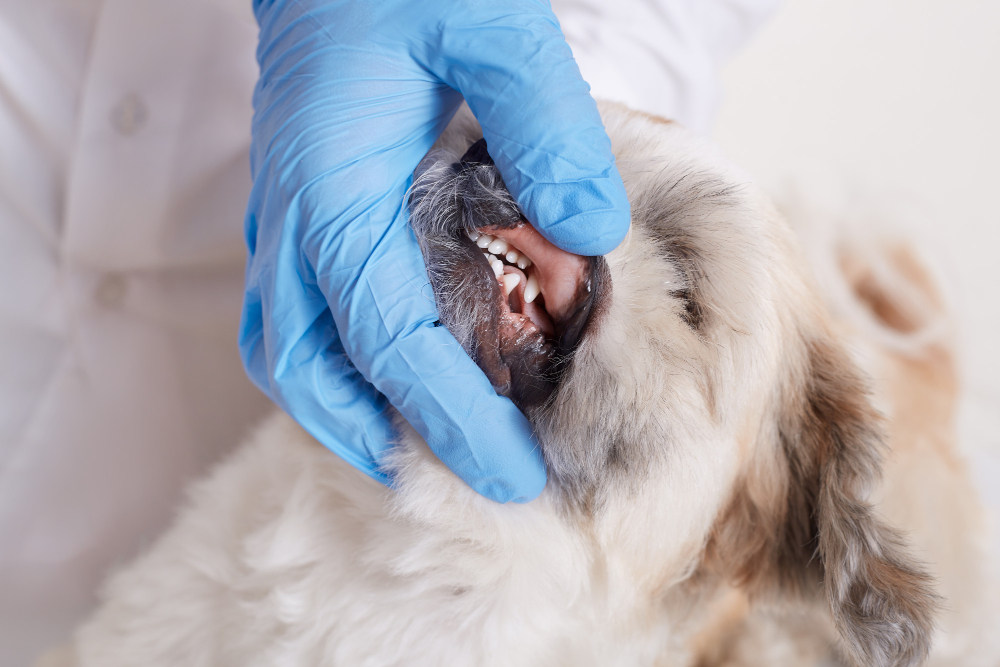
5 Signs Your Pet May Need Advanced Dental Care
As spring arrives in Vienna, VA, many pet owners notice their dogs and cats becoming more energetic and lively. Yet, while you are enjoying the season with your pet, you might also spot subtle changes in their eating habits or see them pawing at their mouths. Dental pain and oral disease can be difficult to recognize in pets, but addressing these issues early is essential for both comfort and overall health. At Animal Dental Clinic, located at 410 Maple Avenue West, Suite #1, Vienna, VA 22180, our team of veterinary dental specialists is dedicated exclusively to advanced dental care and oral surgery for pets throughout Vienna and the surrounding communities.
In this blog, you will learn the top five signs your pet may need advanced dental care, understand why these issues develop, and discover how our specialized services can protect your pet's health. If you notice any of these symptoms in your dog or cat, scheduling a timely visit with a veterinary dental expert can make all the difference. We will also share steps you can take at home, guidance on when to seek professional help, and how to access expert veterinary dental care near you.
Recognizing the Signs: Does Your Pet Need Advanced Dental Care?
Dental disease is one of the most common health problems seen in pets, yet many cases go unnoticed until significant discomfort or complications arise. Knowing what to look for can help you catch dental problems before they become more serious. Key signs that your pet may need advanced dental care include persistent bad breath that does not improve with regular brushing, visible swelling around the face or jaw, difficulty chewing or dropping food, bleeding from the mouth or gums, and loose, broken, or missing teeth.
Other warning signals are subtle and may include changes in behavior, such as reluctance to play with chew toys or sudden irritability when their head is touched. Some pets may drool excessively, especially if the saliva is tinged with blood, or you might notice that your cat grooms less frequently due to oral discomfort. In severe cases, pets might paw at their mouth or even shy away from eating their usual meals. When you see these signs, it is important to remember that pets rarely vocalize their pain; instead, they adapt or hide symptoms, making regular observation critical for their wellbeing.
Why Do Dental Problems Develop in Pets?
Understanding the causes behind dental issues in pets helps you appreciate the importance of early intervention and specialized care. Most dental disease in dogs and cats begins with the buildup of plaque, which hardens into tartar over time. If left untreated, this leads to gingivitis, periodontitis, and eventually the loss of teeth. Genetics, diet, and certain underlying health conditions can all increase the risk of dental problems, while smaller breeds and older pets are especially prone to advanced oral disease.
In some cases, trauma such as a fractured tooth from chewing on hard objects or accidental injury during play can necessitate advanced dental procedures. Additionally, oral tumors, resorptive lesions in cats, or abnormal tooth development may require specialized intervention beyond routine cleaning. Many dental conditions are not visible without advanced imaging or a thorough examination under anesthesia, which is why specialized assessment is crucial. At Animal Dental Clinic, we use tools like digital oral radiology and CBCT scans to accurately diagnose and treat complex oral health problems.
Advanced Dental Treatments: What to Expect at Animal Dental Clinic
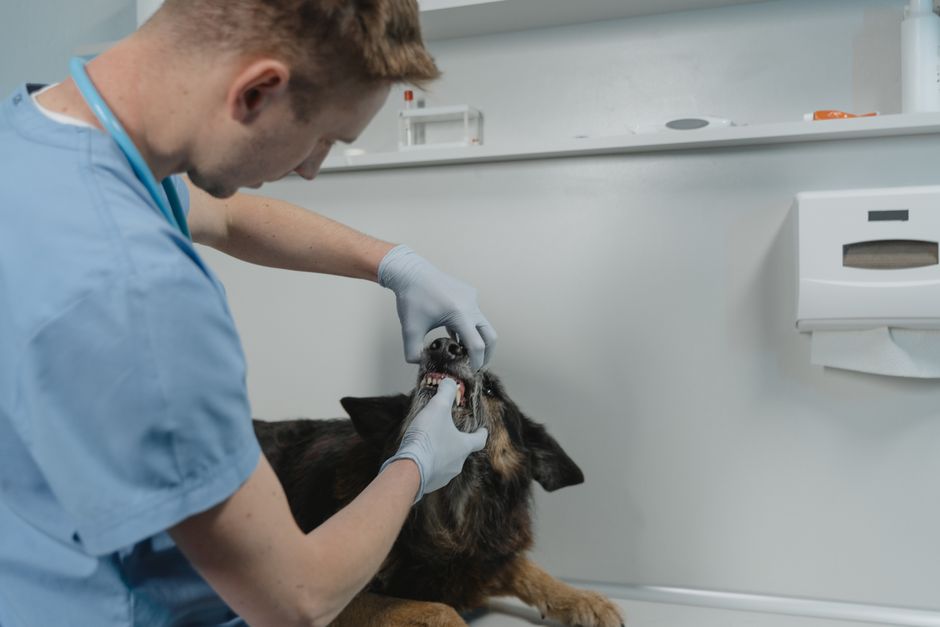
When your pet exhibits signs of dental pain or oral disease, a visit to a veterinary dental specialist ensures they receive the most appropriate and effective care. At Animal Dental Clinic, our approach begins with a Comprehensive Oral Health Assessment and Treatment, which includes a detailed examination under anesthesia, digital dental X-rays, and customized treatment planning. This thorough evaluation allows us to identify issues that may not be visible during an awake exam and to tailor care specifically to your pet's needs.
Treatment for advanced dental problems may involve restorative procedures for chipped or fractured teeth, root canal therapy for infected or dead teeth, and surgical extractions when a tooth cannot be saved. For pets with oral tumors or severe jaw disease, advanced oral surgery such as mandibulectomy or maxillectomy may be necessary. Our veterinary dental team is skilled in a wide range of procedures, always prioritizing your pet's safety and comfort. You can learn more about specific services like Dental Repair for pets and Pet Oral Surgery on our website.
Each treatment plan is tailored to the individual pet, factoring in their overall health, age, and any unique medical considerations. Our anesthesia protocols are designed with your pet's safety as the top priority, and we are always available to discuss options and answer your questions before and after any procedure.
Home Care and Prevention: Keeping Your Pet’s Smile Healthy
While advanced dental care is sometimes necessary, many dental issues can be delayed or prevented with proactive home care. Regular tooth brushing is the gold standard for reducing plaque and tartar in both dogs and cats. Using pet-safe toothpaste and establishing a daily or several-times-weekly routine can make a significant difference. For pets that resist brushing, dental chews, diets formulated for oral health, and water additives may provide added support, though they do not replace the benefits of brushing and professional cleanings.
Observing your pet’s mouth regularly for changes—such as red or swollen gums, buildup of brownish tartar, or changes in eating habits—can help you catch problems early. If you are unsure how to start an at-home dental care routine, our team offers helpful resources and How To Videos for pet dental home care to guide you. Annual or bi-annual professional dental evaluations, especially for older pets or those with prior dental problems, ensure any issues are caught and addressed before they progress.
When Should You Seek Veterinary Dental Care?
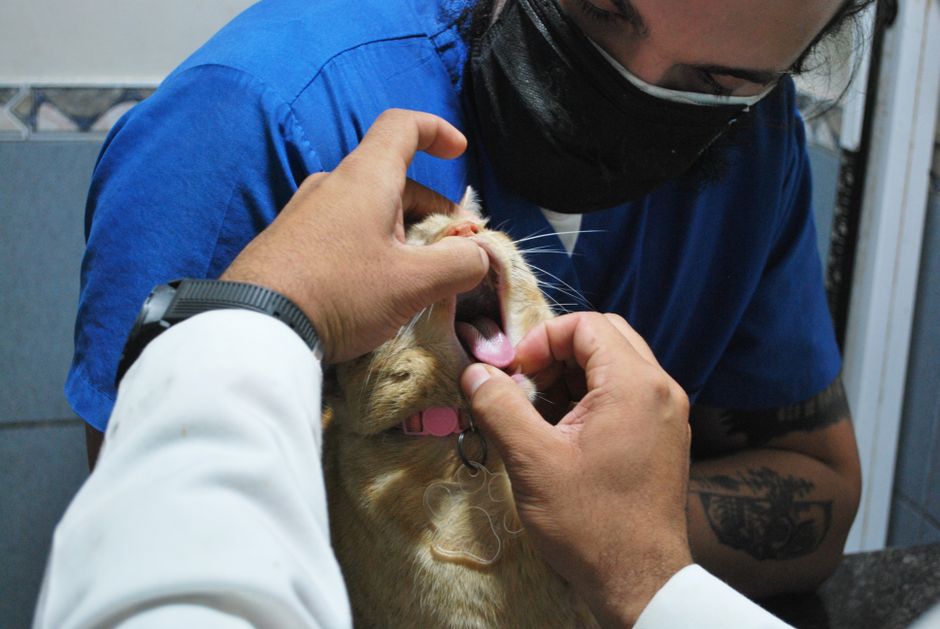
Deciding when to seek professional dental care for your pet can be challenging, especially since many pets mask discomfort. You should schedule an advanced dental assessment if you notice persistent bad breath, bleeding from the mouth, loose or broken teeth, facial swelling, or if your pet stops eating or shows signs of pain when chewing. In some cases, sudden changes in behavior, increased drooling, or a reluctance to let you touch their mouth are important red flags.
Delaying care can result in worsening pain, infection, or even systemic illness affecting the kidneys, liver, or heart. Our veterinary dental specialists in Vienna are equipped to handle complex dental and oral health issues that go beyond what a general practice veterinarian can typically offer. If your regular veterinarian recommends a referral for advanced dental assessment or you have concerns about your pet’s oral health, our practice is ready to provide the expertise your pet needs.
Why Choose a Veterinary Dental Specialist for Your Pet?
Choosing a board-certified veterinary dental specialist ensures that your pet receives the highest level of expertise and care for complex dental conditions. Our team at Animal Dental Clinic is led by a Diplomate of the American Veterinary Dental College, which means your pet benefits from advanced training and the latest diagnostic and surgical techniques. We work closely with your family veterinarian to provide seamless, collaborative care for your dog or cat.
By focusing solely on dentistry and oral surgery, we are able to offer specialized services such as endodontic therapy, orthodontics, prosthodontics, and advanced oral surgery. Our facility is equipped with cutting-edge technology, including digital radiology and CBCT imaging, to deliver precise diagnoses and optimal outcomes. We are committed to compassionate, gentle handling and clear communication with every pet owner throughout the treatment process.
Take the Next Step: Protect Your Pet’s Health and Comfort
Your pet’s oral health is a vital part of their overall wellbeing, and early attention to dental problems can prevent pain, infection, and more serious complications. If you have noticed any of the signs discussed above, or if your regular veterinarian has recommended a referral for advanced dental care, the team at Animal Dental Clinic in Vienna is here to help.
To schedule a specialized dental assessment or learn more about our services, contact us at (703) 281-5900. Our veterinary dental professionals are dedicated to serving pets in Vienna and surrounding communities with compassion and expertise. For more information about our full range of services, visit our Comprehensive Oral Health Assessment and Treatment page or explore our Pet Health Library for additional resources on veterinary dentistry.
When searching for a veterinary dental specialist vet near me, trust Animal Dental Clinic to provide the advanced care your pet deserves. Let us partner with you to keep your dog or cat smiling and comfortable this spring and beyond.
This blog is intended for informational purposes only and does not replace professional veterinary care. If your pet is showing signs of illness or pain, consult your veterinarian or a veterinary dental specialist promptly.