Does My Pet Need an Oral Surgery Consultation?
Does My Pet Need an Oral Surgery Consultation?
If you have ever noticed your dog or cat pawing at their mouth, struggling to eat, or suddenly developing bad breath, you may find yourself wondering if these are signs of a more serious dental problem. Oral health issues in pets can be subtle or progress quickly, and knowing when to seek the expertise of a veterinary dental specialist can make all the difference in your pet’s comfort and overall health. At Animal Dental Clinic, located at 410 Maple Avenue West, Suite #1, Vienna, VA 22180, we are dedicated to providing advanced dental care and oral surgery for pets throughout Vienna and surrounding communities. In this blog, we will explore the key signs that your pet may need an oral surgery consultation, discuss common causes of dental problems in dogs and cats, outline treatment options available at a specialty veterinary practice, and offer guidance on prevention and when to seek professional help.
Recognizing the Signs: When Is an Oral Surgery Consultation Needed for Your Pet?
Many pet owners are surprised to learn how frequently dental issues impact their pets’ quality of life. Dogs and cats are experts at hiding discomfort, so oral pain or disease may go unnoticed until the condition becomes severe. Recognizing early warning signs can help you act before a minor problem turns into a major one.
Symptoms that may indicate the need for an oral surgery consultation include persistent bad breath, swelling of the face or jaw, difficulty eating or chewing, dropping food from the mouth, pawing at the face, excessive drooling, bleeding from the mouth, visible growths or masses inside the mouth, and loose or missing teeth. In some cases, you may observe your pet avoiding hard food or treats, developing a sudden preference for soft food, or becoming irritable when you touch their face.
More subtle signs can also be important. For example, recurrent sneezing or nasal discharge may be related to oral disease, especially in cats. If your pet has a history of fractured teeth, persistent oral infections, or previously diagnosed dental disease that is not improving, these are also indications for specialized evaluation. If you notice any of these changes, it is important to seek a comprehensive assessment by a veterinary team with advanced dental expertise.
For some specific examples, if your dog is experiencing bad breath or swollen gums, this may indicate a periodontal issue that needs professional attention, as described in our resource on signs of periodontics issues in dogs. For cats, reluctance to eat or pawing at the mouth could signal tooth resorption or other serious dental problems, which you can learn more about in our guide on recognizing feline tooth resorption.
Why Do Pets Develop Dental Problems That Require Oral Surgery?
Dental disease in pets is more common than many owners realize. The most frequent cause is periodontal disease, which results from the accumulation of plaque and tartar on the teeth, leading to inflammation and infection of the gums and supporting structures. Over time, this process can result in pain, tooth loss, and infection that spreads to other parts of the body.
Other causes of serious dental issues include fractured or broken teeth, common in dogs that chew on hard toys or bones. Cats may develop tooth resorption, a painful condition where the tooth structure breaks down and is absorbed by the body. Both dogs and cats can also develop oral tumors, cysts, or masses that require advanced diagnostics and surgical intervention.
Dental injuries, such as those caused by trauma or chewing on inappropriate objects, can lead to exposed tooth pulp or root infections. In some breeds, genetic factors contribute to malocclusion (misalignment of the teeth) or overcrowded mouths, which can increase the risk of dental disease. Certain viral infections, especially in cats, may also predispose them to chronic oral inflammation and conditions such as stomatitis.
Age plays a significant role as well. Senior pets are more likely to experience advanced dental disease, and their care often requires specialized anesthesia and techniques for safe treatment. To learn more about our approach to high-risk or senior pets, visit our information on specialty anesthesia and dental care for senior pets.
Advanced Veterinary Dental Treatments: What to Expect at Animal Dental Clinic
When your family veterinarian recommends an oral surgery consultation, or if you notice signs of dental disease at home, Animal Dental Clinic in Vienna offers a full range of advanced diagnostics and treatments tailored to your pet’s individual needs. As a specialty practice, our veterinary dental team utilizes state-of-the-art equipment and techniques to provide the highest standard of care.
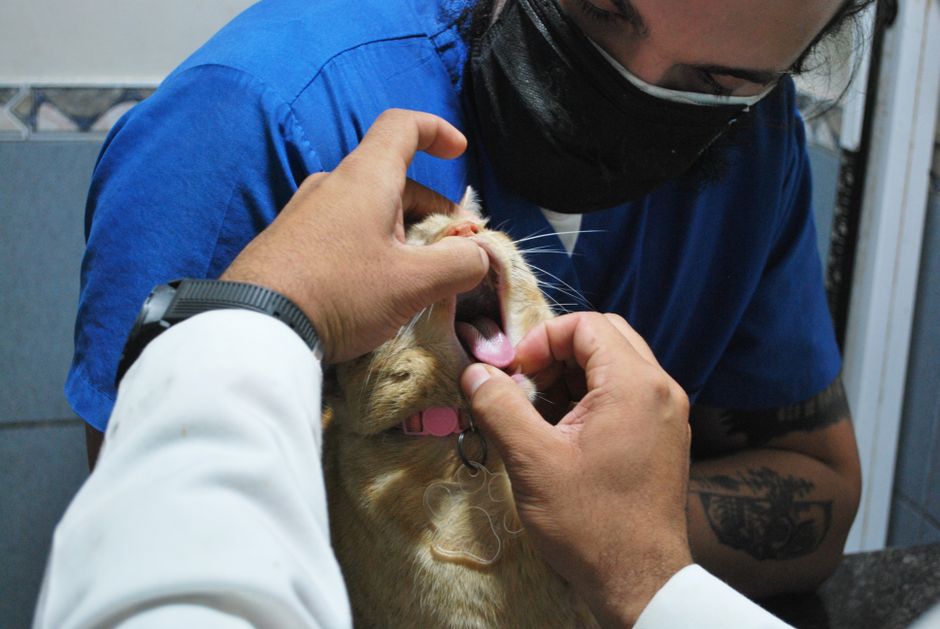
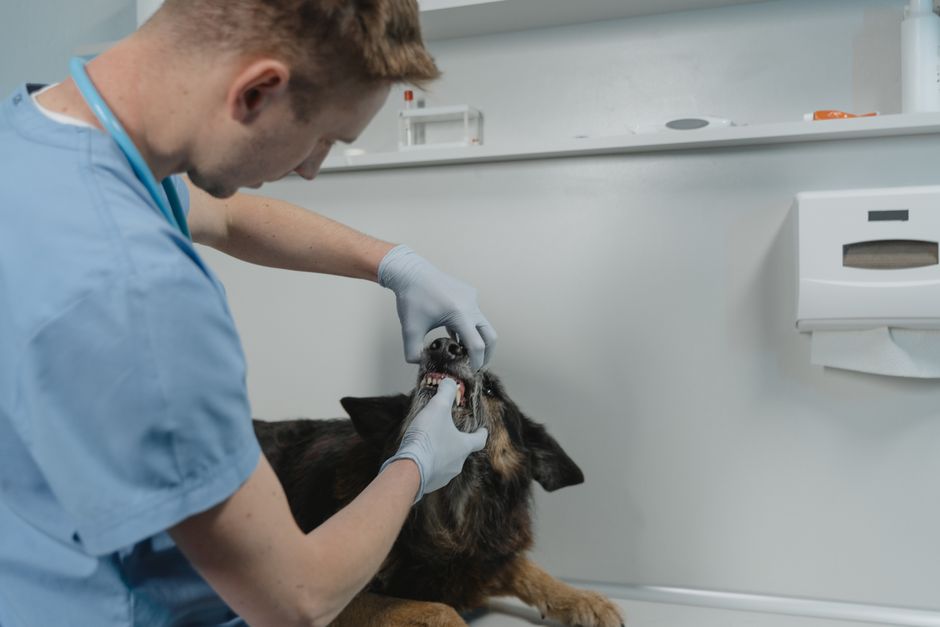
The process begins with a comprehensive oral health assessment and treatment plan. This evaluation includes thorough examination under anesthesia, digital dental radiographs, and, when needed, advanced imaging such as CBCT scanning for a complete view of your pet’s oral structures. Our team is experienced in diagnosing complex conditions, such as oral tumors, jaw fractures, endodontic disease, and severe periodontal disease.
Treatment approaches vary based on your pet’s diagnosis. For teeth that are fractured or infected but can be saved, endodontic therapy, such as root canals, is often recommended. You can read more about advanced root canal and pulp therapy and how these procedures can preserve your pet’s teeth and function. When a tooth cannot be saved, surgical extraction is performed with meticulous attention to pain management and healing. Our page on veterinary tooth extraction services outlines what to expect during and after this procedure.
For pets with oral tumors, cysts, or other masses, our oral surgery services include biopsy, tumor removal, and reconstructive surgery when necessary. We also provide dental repair and restoration for chipped, worn, or damaged teeth, helping restore comfort and chewing ability. Learn more about our dental repair services for pets and how modern restorative techniques can benefit your dog or cat.
Our facility is equipped for specialized procedures such as mandibulectomy, maxillectomy, and prosthodontics, as well as orthodontic corrections for malocclusion when indicated. We always tailor treatment to your pet’s unique medical history, breed, and lifestyle, collaborating closely with your primary veterinarian for continuity of care.
Preventing Dental Disease and Supporting Oral Health at Home
While some dental problems cannot be prevented, many cases of oral disease in dogs and cats can be minimized through proactive home care and regular veterinary checkups. Daily or frequent tooth brushing with pet-safe toothpaste is one of the most effective ways to slow the buildup of plaque and tartar. Dental diets, chews, and water additives may also help reduce oral bacteria and support healthy gums.
It is important to schedule routine dental evaluations with your veterinarian, who can identify changes before they become more serious. For pets with a history of dental disease or those belonging to breeds at higher risk, more frequent professional cleanings may be advised. Monitoring your pet for early signs—such as bad breath, changes in eating habits, or drooling—enables prompt intervention.
Avoid giving your pet hard bones, antlers, or objects that could fracture their teeth. Instead, choose veterinary-approved dental chews and toys. If your pet has had previous dental procedures or extractions, follow any home care recommendations provided by your veterinary dental specialist, including recheck visits and ongoing monitoring.
Finally, keep in mind that even with the best care, some dental conditions, such as oral tumors or genetic abnormalities, may be unavoidable. Early detection and timely referral to a veterinary dental specialist remain the best strategies for ensuring your pet’s comfort and long-term health.
When to Seek Veterinary Dental Care for Your Dog or Cat
Knowing when to schedule an oral surgery consultation is not always straightforward, especially since pets are so skilled at hiding pain. As a general guideline, you should seek specialized veterinary dental care if your pet exhibits any of the following: persistent bad breath despite regular dental cleanings, visible swelling of the face or jaw, loose or missing teeth, bleeding from the mouth, difficulty eating or sudden food aversion, growths or masses inside the mouth, or chronic oral infections that do not resolve with standard treatment.
If your primary veterinarian identifies a dental problem that requires advanced diagnostics, surgery, or procedures not available at a general practice, a referral to Animal Dental Clinic is advised. We work collaboratively with local veterinarians throughout Vienna and surrounding communities to ensure seamless care for your dog or cat.
Timeliness is critical; oral infections can spread rapidly and may affect other organs, while untreated dental pain can significantly diminish your pet’s quality of life. If your pet is a senior or has underlying health conditions, specialized anesthesia protocols and expertise are especially important for safe and effective treatment.
If you are uncertain whether your pet’s symptoms warrant an oral surgery consultation, our comprehensive resource on diagnostic and treatment services for pet dental and oral health offers detailed information about what to expect from an advanced dental assessment.
Helping Your Pet Smile Again: Expert Oral Surgery for Dogs and Cats in Vienna, VA
Your pet’s comfort, health, and happiness are our top priorities at Animal Dental Clinic. By recognizing early warning signs, understanding the causes of dental disease, and seeking timely, specialized care, you can ensure your dog or cat enjoys a healthier, pain-free smile for years to come. Our veterinary dental team in Vienna is here to support you with advanced diagnostics, surgical expertise, and compassionate follow-up care every step of the way.
If you are searching for a dentistry vet near me or need guidance about your pet’s oral health, we encourage you to reach out for a consultation. To schedule an appointment or learn more about our surgical services for advanced dental conditions, call us at (703) 281-5900 or visit our page on expert surgical care for advanced dental conditions in pets. You are also welcome to stop by our convenient location at 410 Maple Avenue West, Suite #1, Vienna, VA 22180.
Don’t let dental discomfort keep your pet from living their best life. Trust the specialized team at Animal Dental Clinic to provide the highest level of care for your dog or cat’s oral health needs—because every pet deserves to smile with confidence.
This blog is intended for informational purposes only and should not be used as a substitute for professional veterinary advice. Always consult your veterinarian or a veterinary dental specialist for concerns about your pet’s health.