Why Is My Pet Drooling? Dental Problems in Dogs and Cats
Why Is My Pet Drooling? Dental Problems in Dogs and Cats
If you have noticed your dog or cat drooling more than usual this summer, you are not alone. Drooling in pets can be alarming, especially when it appears suddenly or seems excessive compared to your pet’s normal behavior. With July’s hot, humid days in Vienna and the surrounding communities, many pet owners wonder whether increased drooling is simply from the weather or a sign of something more serious—like a dental problem. At Animal Dental Clinic, located at 410 Maple Avenue West, Suite #1, Vienna, VA 22180, our team of veterinary dental specialists focuses exclusively on advanced dentistry and oral surgery for dogs and cats. We understand how distressing it can be when your pet is uncomfortable, and our goal is to help you recognize the early signs of oral pain, understand what may be causing your pet’s drooling, and know when to seek specialized dental care for your companion.
In this blog, we will discuss common dental causes of excessive drooling, how to spot signs of oral discomfort, why prompt treatment is important, and steps you can take at home to support your pet’s oral health. You will also learn when it is time to reach out to a specialty dental team for an expert evaluation.
Recognizing the Signs: When Is Drooling a Dental Concern?
All dogs and cats drool occasionally—some breeds more than others. However, when drooling is persistent, increases suddenly, or is accompanied by other changes, it can signal an underlying problem. Key symptoms that suggest your pet’s drooling is a cause for concern include saliva that is thick or blood-tinged, drooling paired with pawing at the mouth, reluctance to eat, dropping food, bad breath, or visible swelling around the muzzle or jaw. Other warning signs are changes in behavior, such as hiding, vocalizing when eating, or becoming head shy. In some cases, you might also notice your pet chewing on one side of the mouth, refusing hard treats, or avoiding play with chew toys.
For example, a cat that normally grooms herself fastidiously but now has a wet chin or a dog that suddenly leaves puddles of saliva on his bedding may both be experiencing dental discomfort. While hot weather can lead to mild increases in drooling due to panting, any persistent or unexplained change should be taken seriously, especially if your pet seems uncomfortable or stops eating.
Dental Causes of Excessive Drooling in Dogs and Cats
Excessive drooling, or ptyalism, often points to a problem within the mouth. In dogs and cats, the most common dental causes of drooling include periodontal disease, fractured or worn teeth, oral masses or tumors, retained baby teeth, and resorptive lesions—especially in cats. Periodontal disease, which is inflammation and infection of the tissues surrounding the teeth, produces pain, swelling, and pus, all of which can stimulate excessive saliva production. Fractured teeth, whether from trauma or chewing on hard objects, often expose the sensitive pulp, causing significant pain and drooling.
Oral tumors, which may be benign or malignant, can cause drooling both from irritation and from interfering with normal swallowing. Cats are particularly prone to a painful condition called tooth resorption, where the tooth structure breaks down beneath the gumline. This process is intensely uncomfortable and often leads to drooling, reluctance to eat, and jaw chattering. Dogs may also develop oral injuries from chewing sticks, bones, or toys, resulting in lacerations or embedded foreign material that triggers both pain and drooling.
Sometimes, dental problems are less obvious. A retained baby tooth in a young dog or cat can crowd the adult teeth and trap food, leading to infection and drooling. Oral ulcers, either from dental disease or systemic conditions, can also cause excessive saliva and discomfort.
How Veterinary Dental Specialists Diagnose Drooling Problems
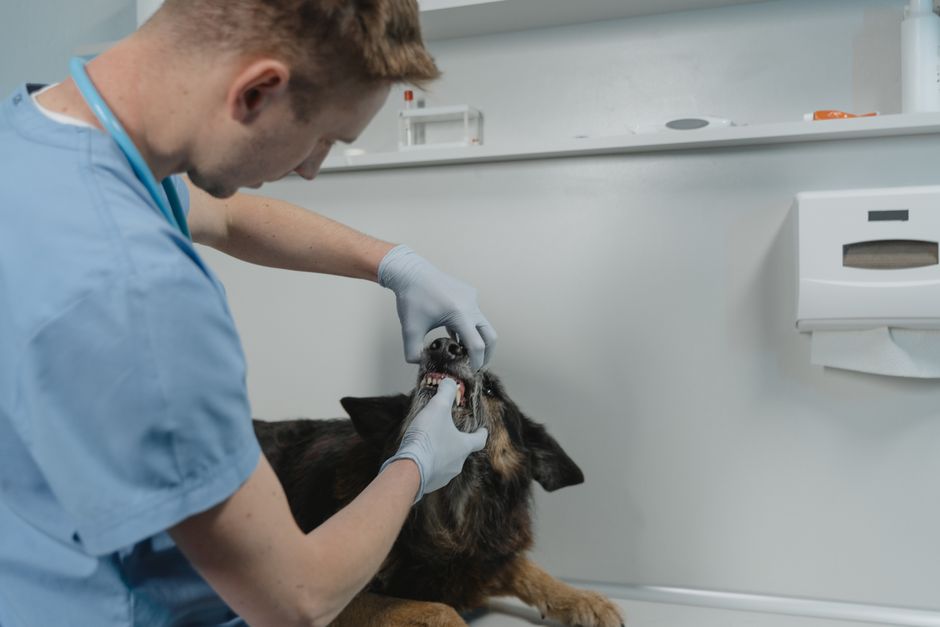
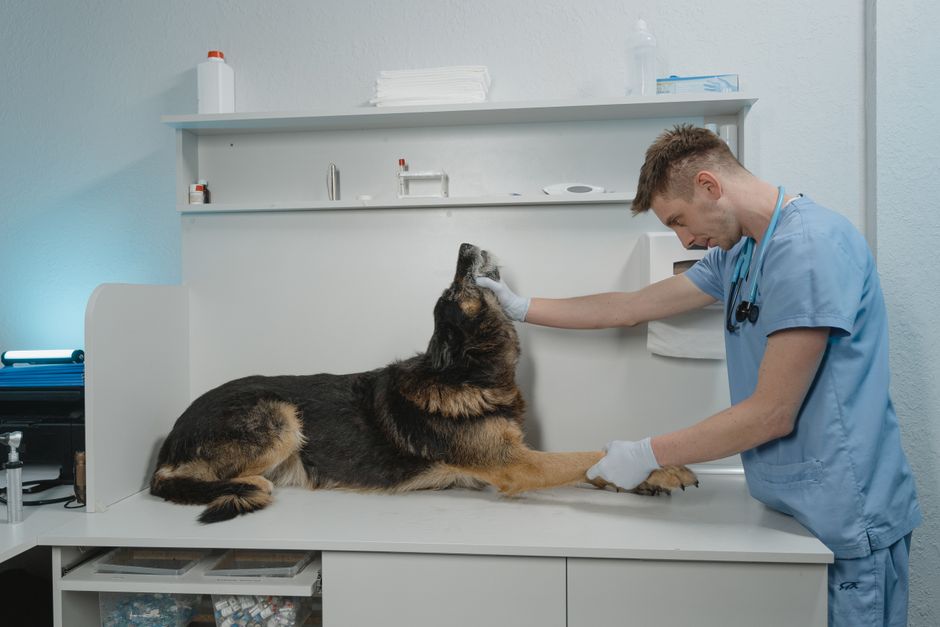
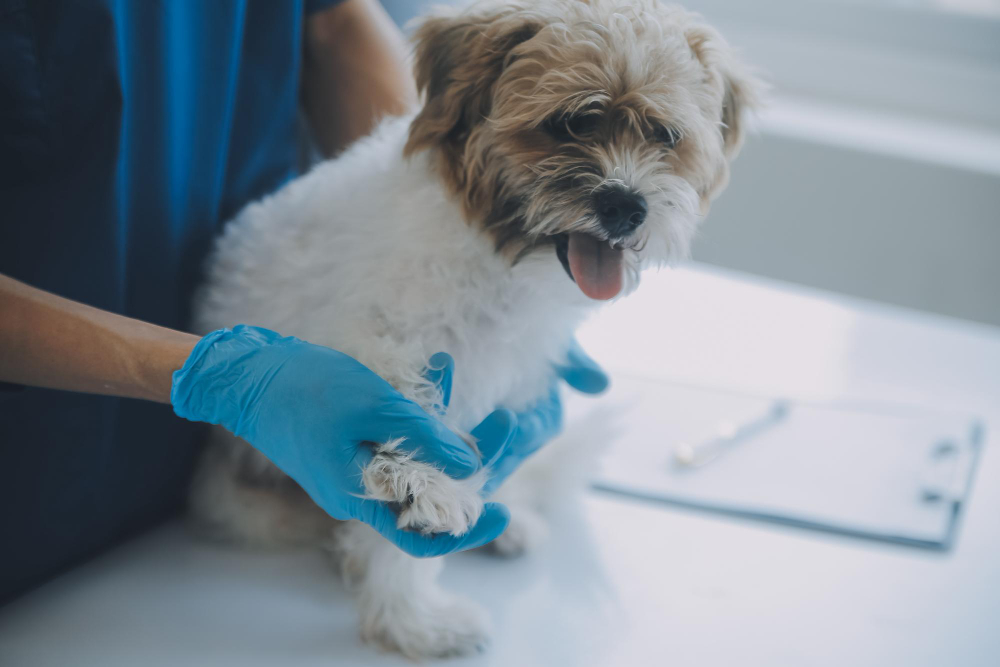
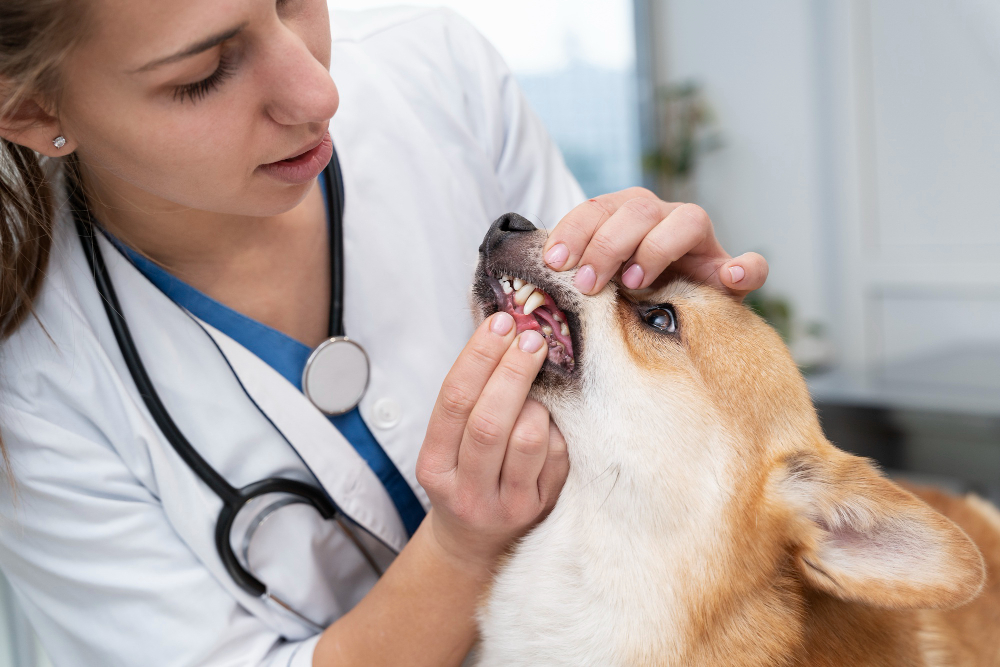
When you bring your pet to Animal Dental Clinic for excessive drooling, our veterinary dental team will begin with a thorough oral examination. We look for visible signs of disease, such as red or bleeding gums, broken or missing teeth, masses, or ulcers. However, many dental problems hide beneath the gumline or are not visible without advanced diagnostics. That is why we recommend a Comprehensive Oral Health Assessment and Treatment (COHAT) for pets showing signs of oral discomfort.
A COHAT involves a full-mouth examination under general anesthesia, which allows for a pain-free and thorough evaluation. During the procedure, we use digital dental radiographs and, when indicated, advanced imaging like CBCT scans to detect disease below the gumline, assess bone loss, or identify hidden tooth fractures. This level of detail ensures that we address the true cause of your pet’s drooling, not just the visible symptoms.
If we discover conditions such as fractured teeth, deep infections, or oral tumors, our team is equipped to provide the necessary interventions, from endodontic treatment to oral surgery. Understanding the root cause of your pet’s symptoms allows us to formulate a treatment plan that restores comfort and function.
Professional Treatment Options for Dental Drooling
Treatment approaches depend on the underlying dental issue. For periodontal disease, therapy may involve thorough cleaning, scaling, and polishing above and below the gumline, followed by targeted antibiotic therapy and recommendations for ongoing home care. If a tooth is fractured but can be saved, procedures such as root canal therapy or dental repair services may be offered to preserve your pet’s tooth and relieve pain.
In cases where a tooth is too damaged or infected to save, pet tooth extractions may be necessary. Our veterinary dental team performs these procedures with advanced pain management and surgical techniques to ensure your pet’s comfort and safety. Oral masses or tumors may require biopsy and surgical removal, followed by further diagnostics if malignancy is suspected.
For cats with tooth resorption, extraction of the affected teeth is often the only way to relieve pain and stop the drooling. Our practice utilizes advanced imaging and anesthesia protocols to provide safe and effective care. If you are concerned about anesthesia for your dog or cat, we invite you to read more about why anesthesia is essential for safe, effective pet dental care.
Preventing Dental Disease and Supporting Oral Health at Home
While some dental conditions are unavoidable, many causes of drooling can be prevented or minimized with proactive oral care. Steps you can take at home include regular tooth brushing with pet-safe toothpaste, offering dental chews or toys designed to reduce plaque, and using recommended home care products from your veterinary dental team. Routine oral health checks at home, such as lifting your pet’s lips to inspect the gums and teeth, can help you spot early changes before they become serious.
Feeding your pet a balanced diet and avoiding hard objects that could break teeth are also important. Some pets benefit from water additives, oral gels, or prescription dental diets to support gum health. Scheduling regular professional dental cleanings with a veterinary dental specialist is the best way to catch problems early and keep your pet’s mouth healthy. Remember, cats and small-breed dogs are especially prone to dental disease and may require more frequent checkups.
When to Seek Specialized Veterinary Dental Care
Knowing when to seek professional help is crucial. You should contact a veterinary dental specialist if your pet experiences persistent drooling lasting more than a day or two, drooling combined with bad breath or visible oral bleeding, reluctance to eat, sudden changes in chewing behavior, swelling around the mouth, or signs of pain such as pawing at the face or hiding. If your primary care veterinarian identifies a dental issue that cannot be managed in a general practice setting, a referral to a specialty dental clinic is the next step.
At Animal Dental Clinic, our board-certified veterinary dental team is dedicated to providing advanced care for dogs and cats in Vienna and the surrounding communities. We work closely with your primary care veterinarian to ensure your pet receives the most appropriate and effective treatment for complex dental and oral conditions.
Supporting Your Pet’s Comfort: The Importance of Prompt Dental Attention
Ignoring signs of dental disease can lead to chronic pain, difficulty eating, systemic infection, and a significant decline in your pet’s quality of life. Prompt intervention not only relieves discomfort but also helps prevent more serious health complications down the road. Specialty dental practices like Animal Dental Clinic are uniquely equipped to diagnose and treat the full spectrum of oral conditions in dogs and cats, using state-of-the-art technology and expertise.
If you are searching for a "dentistry vet near me" because your pet is drooling, experiencing oral pain, or has been referred for advanced dental care, our veterinary dental specialists are here to help. We encourage you to reach out to our team if you have any concerns about your pet’s oral health.
Take the Next Step: Schedule a Dental Assessment for Your Dog or Cat
If your dog or cat is drooling more than usual, showing signs of oral discomfort, or has not had a recent dental evaluation, now is the time to act. The veterinary dental professionals at Animal Dental Clinic are committed to compassionate, expert care for your pet’s dental and oral health. To schedule a comprehensive evaluation or discuss your concerns, call us at (703) 281-5900 or visit our practice at 410 Maple Avenue West, Suite #1, Vienna, VA 22180.
You can also explore our Comprehensive Oral Health Assessment and Treatment service page for more details on what to expect during your pet’s visit. For additional pet dental resources, visit our Pet Health Library or browse the latest articles on our blog.
Your pet depends on you to notice changes and seek timely care. With advanced dentistry and oral surgery from Animal Dental Clinic, you can help your companion enjoy a healthier, more comfortable summer and beyond.