Tooth Fractures in Pets: Signs and When to Seek Treatment
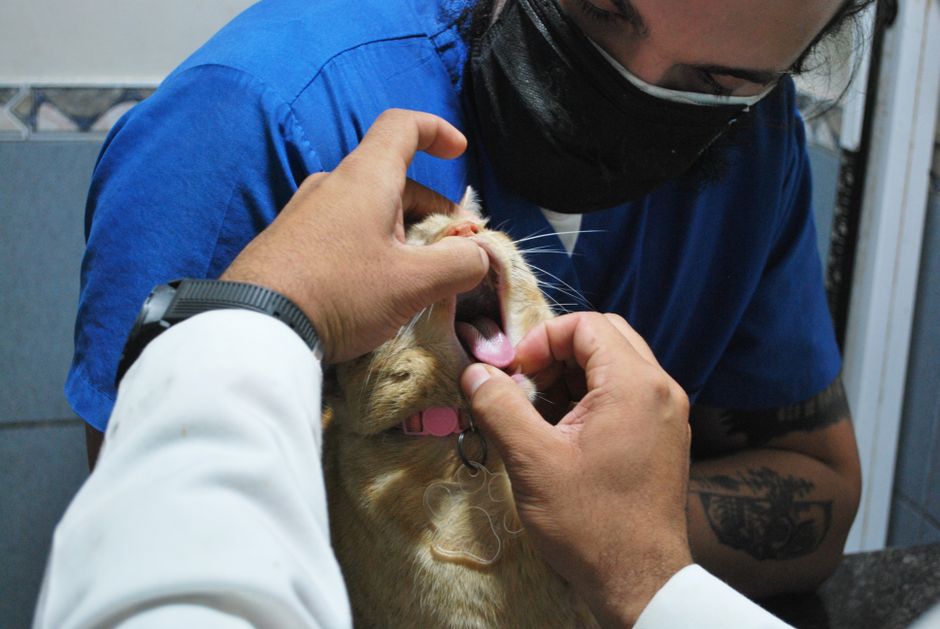
Tooth Fractures in Pets: Signs and When to Seek Treatment
Tooth fractures are a surprisingly common problem for both dogs and cats, yet they often go unnoticed until your pet shows signs of pain or discomfort. At Animal Dental Clinic, located at 410 Maple Avenue West, Suite #1, Vienna, VA 22180, our veterinary dental specialists are dedicated to helping pet owners in Vienna and surrounding communities recognize, understand, and address oral injuries. If you suspect your pet has a fractured tooth, knowing what to look for and when to seek advanced dental care can make all the difference for your dog or cat's long-term health and comfort.
In this blog, we will cover the most common signs of tooth fractures in pets, explore how and why these injuries occur, discuss treatment options unique to veterinary dentistry, and provide guidance on prevention and home care. You will also learn when to seek help from a veterinary dental specialist and how Animal Dental Clinic supports your pet’s oral health with advanced diagnostics and comprehensive treatment options.
Recognizing the Signs: How to Tell if Your Pet Has a Fractured Tooth
Many pets are experts at hiding pain, especially when it comes to dental issues. However, there are clear warning signs that your dog or cat may be suffering from a fractured tooth. Symptoms include increased drooling, reluctance to eat hard food or treats, pawing at the mouth, or even sudden fussiness during meals. Some pets may chew on one side of their mouth or drop food while eating. You might also notice bleeding from the mouth, a visible crack or chip in the tooth, or a change in your pet’s breath.
Behavioral changes are another clue; your normally playful pet may become withdrawn, less energetic, or irritable. In some cases, tooth fractures can result in swelling around the face or jaw if infection develops. While some dogs or cats may show only subtle signs, others experience more obvious discomfort. If you notice any of these symptoms, a prompt evaluation by a veterinary dental specialist can help prevent complications and restore your pet’s well-being.
For a more detailed look at the symptoms and what to do if your dog has a broken or fractured tooth, our guide to fractured teeth in dogs offers helpful insights.
What Causes Tooth Fractures in Dogs and Cats?
Tooth fractures in pets can happen for a variety of reasons, and some breeds may be more prone to dental injuries due to their anatomy or chewing habits. Common causes include chewing on hard objects such as bones, antlers, rocks, or even hard plastic toys. Accidental trauma, such as being hit by a car or rough play with other pets, can also result in broken teeth. In cats, falls or sudden impacts can be a cause, though tooth resorption and underlying dental disease are also factors.
The structure of your pet’s teeth plays a role as well. The large upper premolar, commonly called the carnassial tooth, is especially vulnerable in dogs. When a tooth is fractured, the innermost pulp chamber can become exposed, leading to pain, sensitivity, and infection. Over time, bacteria can enter the pulp, resulting in abscesses, bone loss, and systemic illness if not addressed.
Understanding these causes can help pet owners make informed decisions about what toys and treats are safest and how to minimize risk, especially for pets with a history of dental issues.
Treatment Options: How Veterinary Dental Specialists Restore Your Pet’s Smile
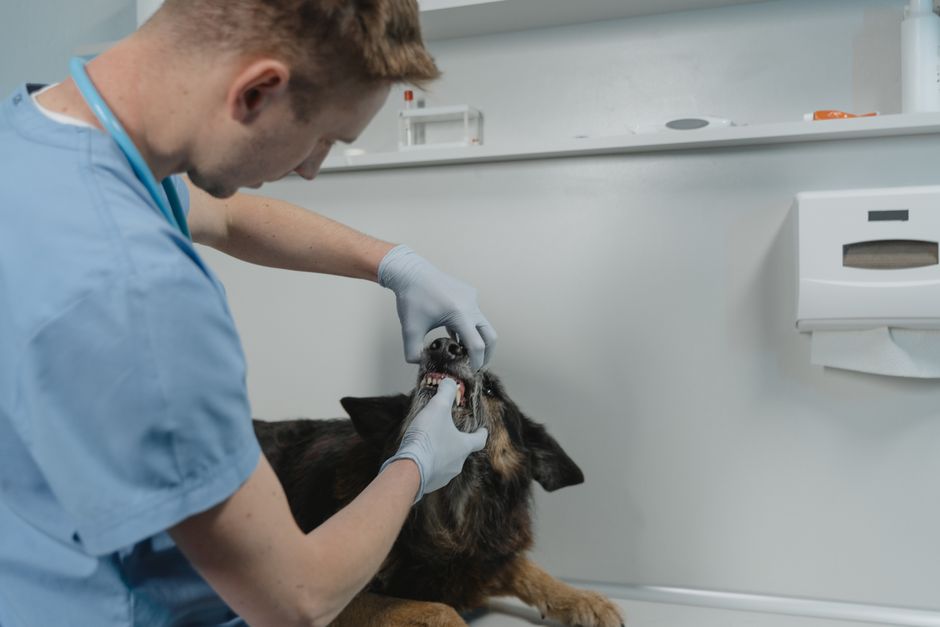
When a tooth fracture is suspected or confirmed, specialized dental care is essential. The first step at Animal Dental Clinic involves a thorough oral examination, often under anesthesia to ensure your pet's comfort and allow for a complete evaluation. Advanced diagnostic tools, such as digital oral radiology or CBCT scans, enable our veterinary dental specialists to assess the extent of the fracture, check for root exposure, and evaluate surrounding bone and tissue.
Treatment approaches depend on the type and severity of the fracture. Uncomplicated crown fractures, where only the outer enamel is affected, may sometimes be managed with a pet dental restoration or filling to protect the tooth and reduce sensitivity. For more serious injuries involving the pulp or root, procedures such as endodontic therapy (root canal) or surgical extraction may be recommended. Our endodontic services are designed to preserve functional teeth whenever possible, while extractions are considered when the tooth cannot be saved.
In cases where infection or significant bone involvement is present, our veterinary team may recommend pet oral surgery to address deeper issues and restore oral health. All treatments are performed with your pet’s safety and comfort as top priorities, using advanced anesthesia and pain management protocols.
Prevention and Home Care: Protecting Your Pet’s Teeth
While not all tooth fractures can be prevented, there are practical steps pet owners can take to reduce the risk for their dogs and cats. Selecting safe chew toys is key; avoid giving your pet bones, antlers, or hard plastic toys that do not have any give when you press your thumb into them. Instead, choose rubber or nylon toys designed for dental safety. Supervise playtime and discourage chewing on inappropriate objects, especially for enthusiastic chewers.
Regular home dental care is an important aspect of prevention. Brushing your pet's teeth daily or several times a week can help maintain gum health and identify potential problems early. Routine oral health assessments by your veterinarian allow for early detection of weak or damaged teeth before they fracture. Scheduling comprehensive oral health assessment and treatment with our dental specialists ensures that any emerging dental issues are addressed before they progress.
If your pet has a history of dental issues or has previously suffered a fractured tooth, work with your veterinary dental team to create a prevention plan tailored to your pet’s individual needs.
When Should Pet Owners Seek Veterinary Dental Care?
Timely intervention is crucial when dealing with tooth fractures in pets. If you notice any signs of oral pain, visible damage to a tooth, bleeding, or changes in your pet’s eating habits, it is important to seek professional care promptly. Fractured teeth can lead to infection, chronic pain, and even affect your pet’s systemic health if left untreated.
General practitioners may refer cases involving advanced fractures, pulp exposure, or complex oral injuries to a veterinary dental specialist like those at Animal Dental Clinic. Our team has specialized training and equipment to manage even the most challenging dental conditions, ensuring the best possible outcome for your pet.
Do not wait for swelling or obvious infection to appear; early treatment improves your pet’s comfort and may save the affected tooth. If you are unsure whether your dog or cat requires dental attention, contact our team for guidance. We are happy to review your pet’s symptoms and recommend the next steps.
Why Choose Animal Dental Clinic for Dental and Oral Surgery Needs?
At Animal Dental Clinic, our board-certified veterinary dental specialists provide advanced dental care and oral surgery for pets in Vienna and surrounding communities. We use leading-edge technology, such as digital radiology and CBCT imaging, for precise diagnosis and offer a full range of dental services from dental repair and restoration to pet tooth extractions and surgical interventions. Our flexible scheduling and compassionate approach help reduce stress for both pets and their owners.
If you are searching for a specialty dental vet near me who can address your pet’s fractured tooth with skill and care, our veterinary team is here to help. We work in partnership with referring veterinarians to ensure every pet receives the specialized attention they deserve.
Take the Next Step for Your Pet’s Oral Health
Tooth fractures can be distressing, but prompt action and expert care make a world of difference. If you notice signs of dental pain or damage in your dog or cat, do not hesitate to reach out to Animal Dental Clinic for a thorough evaluation and tailored treatment plan. Our veterinary dental specialists are committed to restoring your pet’s comfort, function, and overall well-being.
For advanced pet dental care in Vienna and surrounding communities, schedule a consultation with our team by calling (703) 281-2900 or visiting 410 Maple Avenue West, Suite #1, Vienna, VA 22180. To learn more about our approach to dental repair and oral surgery, explore our dental repair services and comprehensive oral health assessments. When you need a specialty dental vet near me, trust Animal Dental Clinic to provide the expertise and compassionate care your pet deserves.
This blog is intended for informational purposes only and does not replace individualized veterinary advice. If your pet is experiencing pain or dental injury, consult with a veterinary professional as soon as possible.