Spring Oral Health: Spotting Gum Disease in Pets Early
Spring Oral Health: Spotting Gum Disease in Pets Early
As spring brings a renewed sense of energy and outdoor activity to Vienna, VA and surrounding communities, many pet owners start to notice small changes in their pet’s behavior and health. Among the most common yet overlooked issues is gum disease, a silent threat that can cause pain, tooth loss, and even impact your pet’s overall wellbeing. At Animal Dental Clinic, we specialize in advanced veterinary dentistry and oral surgery, offering comprehensive assessments to help keep your pet’s mouth healthy all year long. In this post, we will guide you through early warning signs of gum disease, explain why it develops, discuss how our specialized services address oral health concerns, and offer tips for prevention at home. If you are worried about your pet’s dental health this spring, read on to discover how to protect their smile and comfort with the help of our veterinary dental professionals here in Vienna.
Recognizing the Early Signs of Gum Disease in Pets
Gum disease, or periodontal disease, often begins quietly. Pets may not show obvious discomfort until the condition is advanced, making early detection crucial for both effective treatment and prevention of more serious complications. Recognizing subtle changes in your pet’s mouth and behavior can help catch gum disease before it causes lasting damage.
The earliest signs of gum disease in pets include persistent bad breath, which is usually more pronounced than the typical “doggy” or “kitty” breath. You may also notice red or swollen gums, which can appear just above the teeth and sometimes bleed when touched or during chewing. Another key symptom is a reluctance to eat crunchy foods or treats; pets may drop food, chew on one side, or seem less enthusiastic about meals. Additionally, pets affected by gum disease sometimes paw at their mouths, become irritable, or shy away from head pats and facial contact.
As the disease progresses, other signs can emerge such as loose or missing teeth, pus along the gumline, visible tartar buildup, and even swelling along the jaw or under the eyes. Severe cases may lead to noticeable weight loss or changes in grooming behavior, especially in cats. Because these symptoms can be subtle, regular oral health checks are vital, particularly in the spring when pets may be exposed to new environmental factors that increase bacteria in the mouth.
If you observe any of these changes, even if they seem minor, it’s important to schedule a professional assessment. Our veterinary dental team at Animal Dental Clinic uses specialized diagnostic tools to detect gum disease in its earliest stages, providing your pet with the best chance for a healthy mouth.
Understanding Why Gum Disease Develops in Pets
Gum disease in pets doesn’t happen overnight. It is a gradual process triggered by the accumulation of plaque, a sticky film of bacteria that forms on teeth every day. Without regular cleaning, plaque hardens into tartar, which then irritates the gums and leads to inflammation—this is the first stage of gum disease, known as gingivitis.
Several factors contribute to the development and progression of periodontal disease in pets. Diet plays a significant role; pets that eat primarily wet food or table scraps are more prone to plaque buildup compared to those who enjoy dental-friendly kibble or treats. Additionally, individual breed and genetic predisposition can make certain pets more susceptible. For example, small and toy breeds often have crowded teeth, which trap more debris and bacteria, while some cats are genetically more prone to oral inflammation.
Age is another factor; as pets get older, their risk for gum disease increases, particularly if they have not received consistent dental care. Certain medical conditions, such as diabetes or immune system disorders, can also make pets more vulnerable to oral infections. Finally, lack of home dental care—such as infrequent brushing or absence of dental chews—allows bacteria to multiply unchecked, leading to chronic inflammation and, eventually, tooth and bone loss.
By understanding why gum disease develops, pet owners can appreciate the importance of both professional and at-home dental care. At Animal Dental Clinic, we are committed to educating families in Vienna and the surrounding areas about these risk factors and how to minimize them.
Advanced Treatment Options for Gum Disease at Animal Dental Clinic
Once gum disease has been identified, effective treatment is essential to restore your pet’s comfort and health. At Animal Dental Clinic, we offer a range of advanced veterinary dental services designed to treat every stage of periodontal disease, from mild gingivitis to severe infection requiring surgical intervention.
The first step often involves a Comprehensive Oral Health Assessment and Treatment, known as a COHAT. This procedure is performed under general anesthesia to allow our veterinary dental professionals to thoroughly examine your pet’s teeth and gums, remove plaque and tartar, and assess the health of each tooth below the gumline. We utilize digital oral radiology and, when needed, advanced imaging like CBCT scans to detect hidden disease that cannot be seen with the naked eye.
Treatment options depend on the severity of the disease. For early-stage gingivitis, a professional cleaning and polish may be enough to reverse inflammation. If the disease has progressed to affect the roots or bone, our team may recommend specialized procedures such as dental repair for fractured or damaged teeth, or pet tooth extractions when a tooth is too compromised to save. In cases of advanced infection or abscess, oral surgery may be necessary to remove diseased tissue and restore your pet’s comfort.
We also offer endodontic treatments and prosthodontics for pets needing root canal therapy or dental restorations. By tailoring each treatment plan to your pet’s unique needs, our veterinary dental professionals ensure the best possible outcomes and long-term oral health.
Preventing Gum Disease: Home Care and Professional Support
While professional dental cleanings are critical, ongoing home care is one of the most effective ways to protect your pet’s mouth between visits. Prevention starts with regular brushing using pet-safe toothpaste, as daily brushing helps remove plaque before it hardens into tartar. If brushing is not feasible, dental chews and toys designed to reduce plaque can help, as can water additives and specialized diets formulated to support oral health.
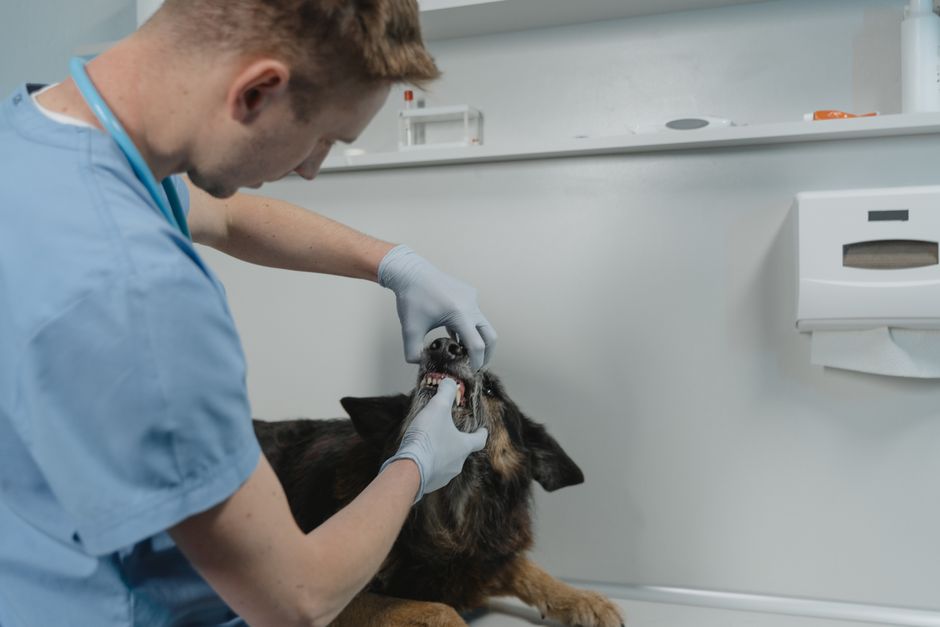
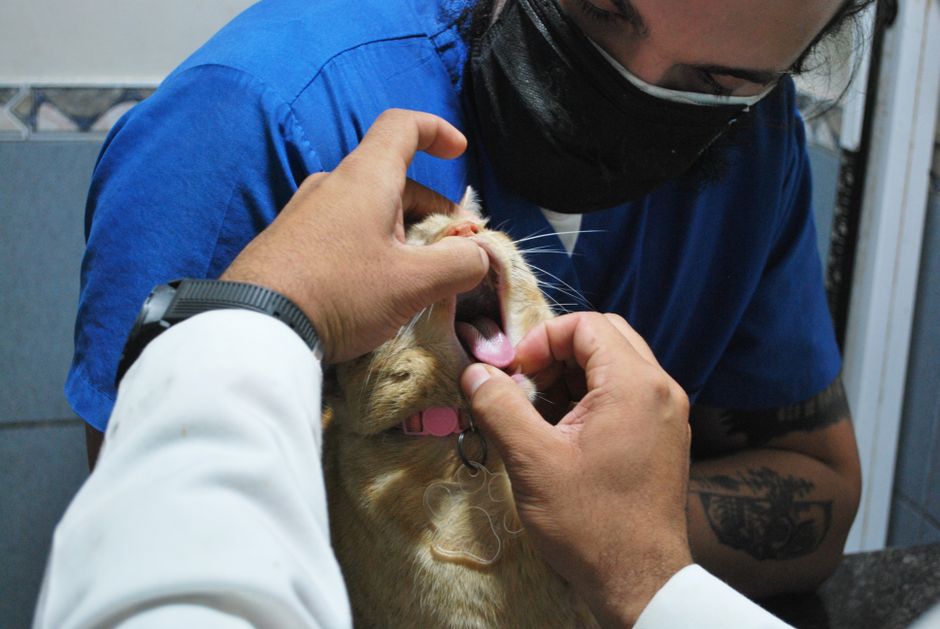
It is also important to monitor your pet for changes in their eating habits, breath, or gum appearance throughout the year. Springtime can bring an increase in allergens, pollen, and outdoor activity, all of which may introduce new bacteria or debris into your pet’s mouth. Regularly lifting your pet’s lips to check for redness, swelling, or tartar can help you spot early warning signs.
For additional support, our clinic offers a selection of home care products curated by our veterinary dental team. These are designed to complement professional treatments and make at-home care easier for both pets and owners. We also provide educational materials and how-to videos to guide you through the process of brushing and maintaining your pet’s oral hygiene.
Consistent home care, combined with scheduled professional assessments, forms the foundation of a healthy mouth and a happier pet.
When to Seek Veterinary Dental Care
Knowing when to seek professional help is vital for your pet’s health and comfort. If you notice persistent bad breath, swollen or bleeding gums, loose teeth, difficulty eating, or any signs of oral pain, it’s time to contact a veterinary dental specialist. Pets are experts at hiding discomfort, so even subtle changes in behavior, appetite, or grooming should not be ignored.
Some situations require immediate attention, such as sudden facial swelling, blood in the saliva, or a tooth that appears broken or discolored. Delaying care in these cases can lead to more severe infections and increased pain for your pet.
At Animal Dental Clinic, we are dedicated to providing advanced dental care tailored to each pet’s unique needs. Our team accepts referrals from local general practice veterinarians in Vienna and surrounding communities, working collaboratively to ensure your pet receives the most effective treatment. If you are searching for a specialty dental vet near me, our clinic offers the expertise, technology, and compassion your pet deserves.
Keeping Your Pet’s Smile Bright This Spring
Gum disease may be common, but it doesn’t have to be inevitable. By staying alert to early warning signs, prioritizing preventive care, and seeking timely professional treatment, you can help your pet enjoy a pain-free, healthy mouth throughout spring and beyond.
If you have noticed changes in your pet’s breath, eating habits, or gum health, or if it has been more than a year since their last dental assessment, our veterinary dental professionals are here to help. Schedule a comprehensive oral health evaluation at Animal Dental Clinic and let us support you in protecting your pet’s smile. For more information about our services or to book an appointment, contact us at (703) 281-5900 or visit our Vienna location.
Explore our Comprehensive Oral Health Assessment and Treatment, learn about dental repair options, or get started with home care products. Your pet’s comfort, health, and happiness are our top priorities this spring and all year long.
This blog is for informational purposes only and does not replace professional veterinary care. If you have specific concerns about your pet’s dental health, please consult our veterinary dental team for a personalized assessment and treatment plan.