Pet Dentistry: Essential Care for Healthy Pet Smiles

Pet Dentistry: Essential Care for Healthy Pet Smiles
A bright, healthy smile is just as important for your pet as it is for you. When a cat or dog experiences oral discomfort, it affects not only their appetite and breath but also their overall happiness and wellbeing. At Animal Dental Clinic in Vienna, VA, our team specializes in advanced pet dentistry, offering comprehensive dental care and oral surgery for pets from Vienna and surrounding communities. If you have ever wondered whether your pet’s mouth is truly as healthy as it could be, or if you have noticed changes in their eating habits or breath, you are not alone. In this blog, we will explore the essentials of pet dentistry, discuss how to recognize dental disease, review the importance of specialized veterinary dental care, and share practical steps you can take to keep your pet’s mouth healthy for years to come. Our experienced veterinary professionals are here to help you understand why dental health matters and how our specialized services can make a difference for your pet’s comfort and quality of life. For pet owners seeking a trusted dental specialist, Animal Dental Clinic is your local resource for compassionate, expert care right here at 410 Maple Avenue West, Suite #1, Vienna, VA 22180.
Recognizing Dental Problems in Pets: Warning Signs to Watch For
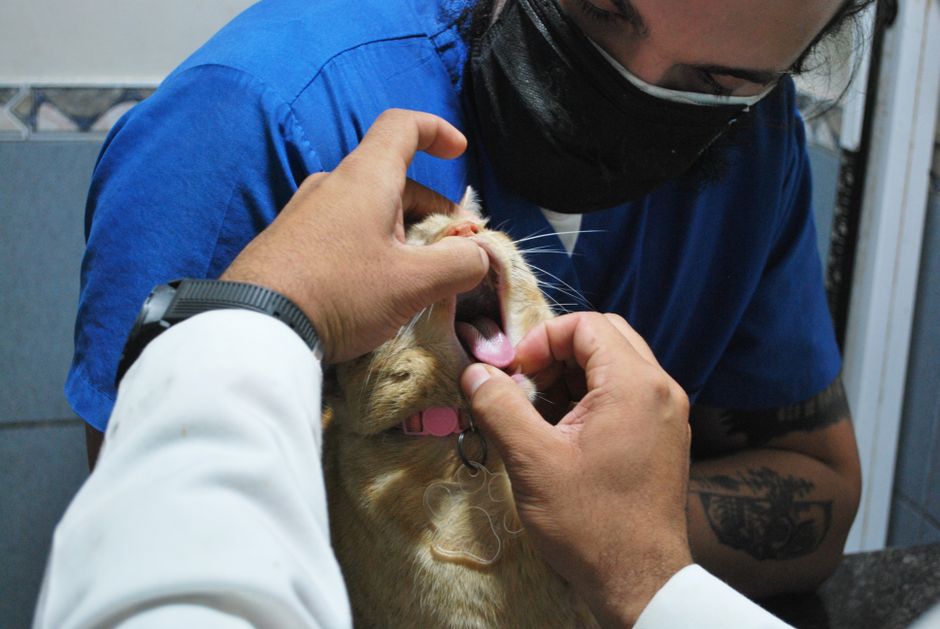
Many pet owners are surprised to learn that dental disease is one of the most common health issues affecting dogs and cats. Unfortunately, pets cannot tell us when their mouths hurt, so subtle changes in behavior or appearance are often the first indicators. Symptoms of dental disease in pets include persistent bad breath, red or bleeding gums, visible tartar buildup on the teeth, and reluctance to chew food or play with toys. Other signs that may point to oral discomfort are pawing at the mouth, drooling, sudden food pickiness, or even visible swelling along the jaw or face. If you notice any of these changes in your pet, it is important to seek a professional dental assessment, as untreated oral disease can progress rapidly and lead to more serious health complications.
Periodontal disease, which affects the tissues surrounding the teeth, is frequently missed in early stages because pets often continue eating and hiding their discomfort. In some cases, pet owners only realize something is wrong when their cat or dog stops eating altogether or develops a foul-smelling odor from the mouth. Staying alert to subtle shifts in your pet’s behavior, such as less enthusiasm for chew toys or shying away from head pats, can help you catch dental problems before they escalate. Our veterinary team at Animal Dental Clinic is trained to recognize these early signs and provide thorough evaluations using advanced diagnostic tools.
Understanding the Causes of Dental Disease in Pets
Dental disease in pets develops over time as plaque—a sticky film of bacteria—accumulates on the teeth. If not removed, this plaque hardens into tartar, which can then irritate the gums and cause inflammation. This process leads to gingivitis, and if it continues unchecked, eventually progresses to periodontal disease, where the structures supporting the teeth are damaged or destroyed. Factors contributing to dental disease include genetics, diet, age, breed, and lack of routine dental care at home. Small breed dogs and certain purebred cats are particularly prone to developing dental problems, but all pets are at risk without proper oral hygiene.
In some pets, misaligned teeth, retained baby teeth, or underlying medical conditions can accelerate the development of dental disease. Additionally, cats can suffer from unique oral problems such as tooth resorption, where the tooth structure breaks down and becomes painful. Oral tumors, fractured teeth, and infections can also cause significant discomfort and health risks if not addressed promptly. Because dental disease often develops beneath the gumline where it cannot be seen without specialized equipment, regular professional dental assessments are essential for early detection and treatment.
Specialized Pet Dentistry: How Professional Care Protects Your Pet’s Health
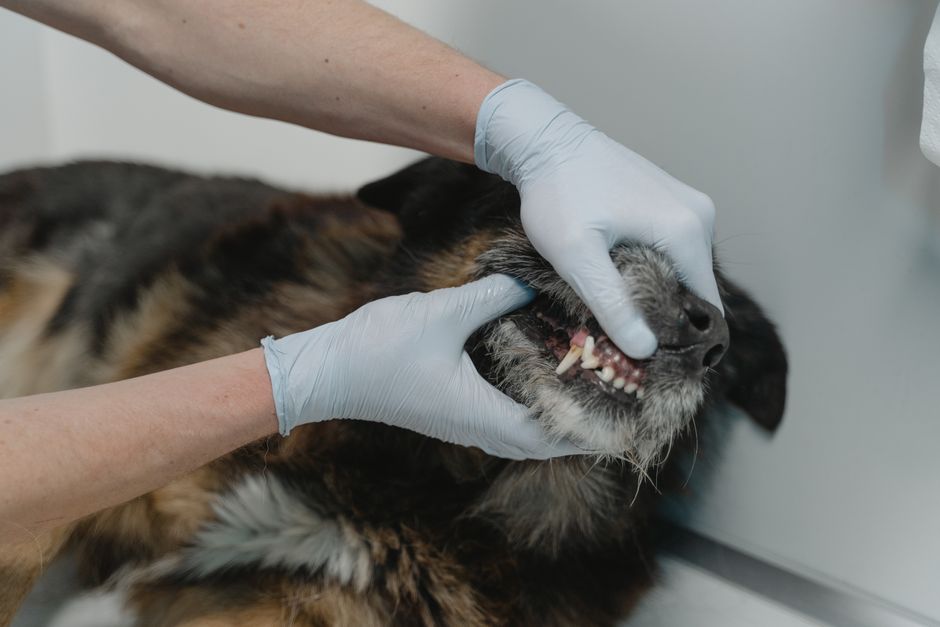
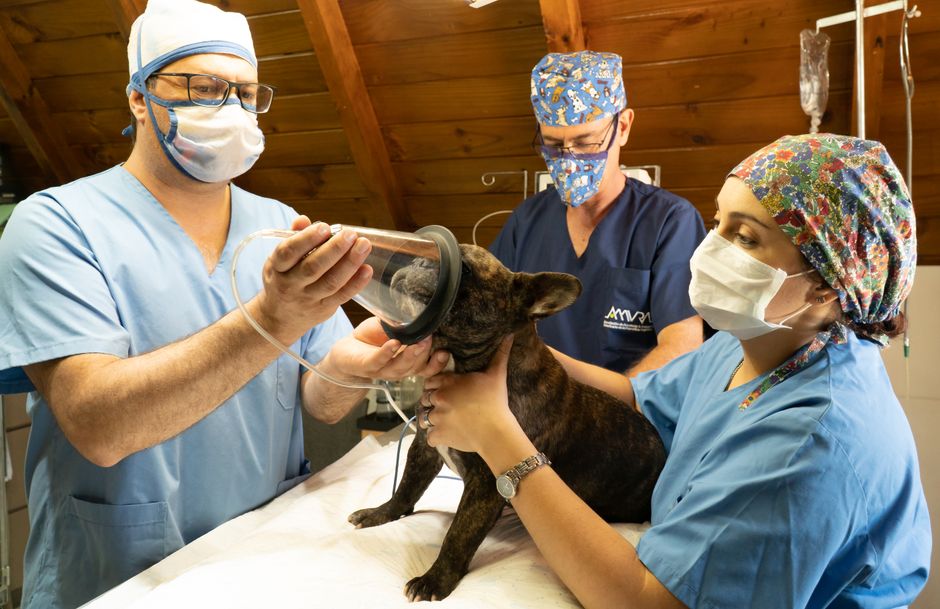
When it comes to treating dental disease, professional veterinary dentistry goes far beyond what can be achieved with home care alone. At Animal Dental Clinic, our specialized approach to pet dentistry starts with a Comprehensive Oral Health Assessment and Treatment, known as COHAT. This thorough evaluation includes a detailed oral exam under anesthesia, full-mouth dental radiographs, and individualized treatment planning. These steps allow our veterinarians to identify hidden dental issues such as root infections, bone loss, and tooth fractures that would otherwise go unnoticed.
Treatment options at our clinic are tailored to your pet’s unique needs. Common procedures involve dental cleanings, periodontal therapy, tooth extractions, and advanced oral surgery. For pets with damaged or painful teeth, our team may provide dental repair services to restore function and comfort, or recommend restorative treatments such as crowns and fillings when appropriate. Our veterinary professionals are also equipped to perform complex procedures like endodontic therapy for root canals, orthodontic adjustments for misaligned teeth, and even maxillofacial surgery for oral tumors or severe injuries.
One of the most important aspects of professional pet dentistry is the use of advanced imaging, such as dental radiographs and CBCT scans, which enable our team to diagnose problems beneath the surface of the gums. By combining cutting-edge technology with years of specialized training, our veterinary team ensures that your pet receives the safest, most effective care available.
Home Dental Care and Prevention: Setting Your Pet Up for Success
While professional pet dentistry is critical for addressing existing disease, ongoing home care is equally important for maintaining oral health between visits. Daily tooth brushing with pet-safe toothpaste is one of the best ways to reduce plaque buildup and keep gums healthy. For pet owners new to brushing, there are helpful resources and how-to videos available to make the process less intimidating and more successful. In addition to brushing, dental diets, treats, and toys designed to clean teeth can provide additional support. It is important to choose products that have been proven effective and are safe for your pet; your veterinarian can recommend options that suit your cat or dog’s specific needs.
Regular professional dental cleanings, tailored to your pet’s age, health status, and risk factors, are essential for preventing advanced disease. During these visits, our veterinary team will assess your pet’s mouth thoroughly, remove tartar and plaque from above and below the gumline, and address any issues before they progress. Early intervention can prevent painful extractions and help your pet maintain strong, healthy teeth throughout their life. For pet owners seeking more information, our home care products guide offers tips on choosing the right tools for your companion.
When to Seek Professional Veterinary Dental Care
Deciding when to bring your pet in for a dental assessment can be challenging, especially if symptoms are subtle or inconsistent. You should schedule a professional evaluation if your pet displays any signs of oral pain, such as difficulty eating, drooling, pawing at the mouth, red or bleeding gums, or visible tartar accumulation. Sudden changes in appetite, unexplained weight loss, or swelling around the face also warrant prompt attention. In some cases, dental disease can lead to infections that spread to other organs, so early intervention is vital for your pet’s overall health.
It is important to remember that not all dental problems are visible to the naked eye. Routine oral health assessments with a specialized veterinary dentist will help catch hidden issues before they become severe. Our veterinary professionals at Animal Dental Clinic collaborate closely with local primary care veterinarians and provide advanced referral care for complex dental cases. If your pet has been referred for oral surgery, advanced imaging, or specialized treatment, our team is here to guide you through every step of the process with compassion and expertise.
If you are searching for a "dental vet near me" who can address even the most challenging cases, our clinic offers a full spectrum of specialty dental services for pets in Vienna and surrounding communities.
Your Partner for Pet Dentistry in Vienna, VA
Your pet’s comfort, health, and happiness depend on a healthy mouth. At Animal Dental Clinic, we are dedicated to providing the highest level of specialized pet dentistry, from preventive care to advanced oral surgery. Our veterinarians combine compassionate care with advanced technology and years of experience to deliver results that truly make a difference in your pet’s life. Whether your pet needs a routine assessment, treatment for dental disease, or a complex oral surgery, we are here to help.
If you have noticed any signs of dental discomfort in your cat or dog, or if you simply want to ensure their lifelong oral health, reach out to Animal Dental Clinic today. We invite you to schedule a comprehensive oral health assessment or consultation at our conveniently located practice at 410 Maple Avenue West, Suite #1, Vienna, VA 22180. For more information about our specialized services, including Comprehensive Oral Health Assessment and Treatment or to explore our helpful dental care resources, our team is always here to support you and your pet.
Call (703) 281-5900 to speak directly with our veterinary professionals or visit our website to learn more about how pet dentistry can benefit your companion. By partnering with a specialty dental vet near me, you are taking a vital step toward ensuring your pet’s happiest, healthiest smile. For any concerns about your pet’s oral health, trust Animal Dental Clinic to provide the expert care your furry family member deserves.
Medical Disclaimer: The information in this blog is intended for educational purposes only and should not be used as a substitute for professional veterinary advice. For specific concerns about your pet’s dental health, always consult with a veterinarian.