Managing Summer Tooth Fractures in Dogs and Cats
Managing Summer Tooth Fractures in Dogs and Cats
Summer in northern Virginia brings the joys of longer days, outdoor adventures, and plenty of opportunities for your dog or cat to enjoy new toys and treats. However, the heat and humidity of July can also increase the risk of dental injuries, especially tooth fractures, in pets who love to chew on hard objects or icy snacks. At Animal Dental Clinic, located at 410 Maple Avenue West, Suite #1, Vienna, VA 22180, our veterinary dental team specializes in advanced dental care and oral surgery for dogs and cats. We understand that dental emergencies can happen at any time, and our flexible hours are designed to accommodate your pet’s needs.
In this blog, we will explore how summer activities and treats can lead to tooth fractures in dogs and cats, the symptoms to watch for, why prompt evaluation is essential, and how our specialized dental services can help your pet heal comfortably. We will also share tips for prevention and explain when it’s time to seek the expertise of a veterinary dental specialist.
Recognizing Tooth Fractures in Dogs and Cats
Tooth fractures can be difficult for pet owners to spot, especially in the early stages. Dogs and cats are masters at hiding discomfort, so injuries to the teeth or mouth often go unnoticed until your pet starts showing clear signs of trouble. Key symptoms that may suggest a tooth fracture include sudden reluctance to eat crunchy food, pawing at the mouth, drooling, or even bleeding from the gums. Some pets may seem more withdrawn, less playful, or unusually irritable. A fractured tooth can also cause persistent bad breath or swelling around the face, particularly if infection is developing beneath the gumline.
For dogs, you might notice they avoid their favorite chew toy or seem hesitant to pick up balls or sticks. Cats may drop kibble or treats from their mouths or chew only on one side. While some fractures are obvious, such as a visible break or a tooth that appears discolored, many are subtle and require a professional dental exam to identify. If your pet suddenly changes eating habits or behavior during the summer months, a dental injury could be the reason.
Why Summer Increases the Risk of Tooth Fractures
Summer brings a host of activities and treats that, while fun, can increase the risk of dental injuries for dogs and cats. Many owners offer their pets ice cubes, frozen treats, or hard chews to help them cool off. Popular summer toys, such as real bones, antlers, or nylon chews, can be harder than your pet’s teeth and may cause fractures when bitten aggressively. Fetch games with rocks, sticks, or dense rubber toys also pose a risk, especially if your dog’s enthusiasm outweighs their caution.
The heat and humidity of the Vienna area can make pets more likely to chew on cool, hard objects for relief. Unfortunately, pet teeth are designed for tearing and grinding, not crushing extremely hard materials. When a tooth encounters a surface that is harder than enamel, especially at the wrong angle or under force, it can crack, chip, or break entirely. Cats are less likely than dogs to fracture teeth, but those with a strong chewing instinct or access to hard treats can still be at risk.
Additionally, underlying dental disease—such as weakened enamel or untreated cavities—can make teeth more susceptible to breaking, even with normal use. Regular dental checkups are important year-round, but especially as pets become more active and adventurous in the summer months.
Treatment and Management of Pet Tooth Fractures
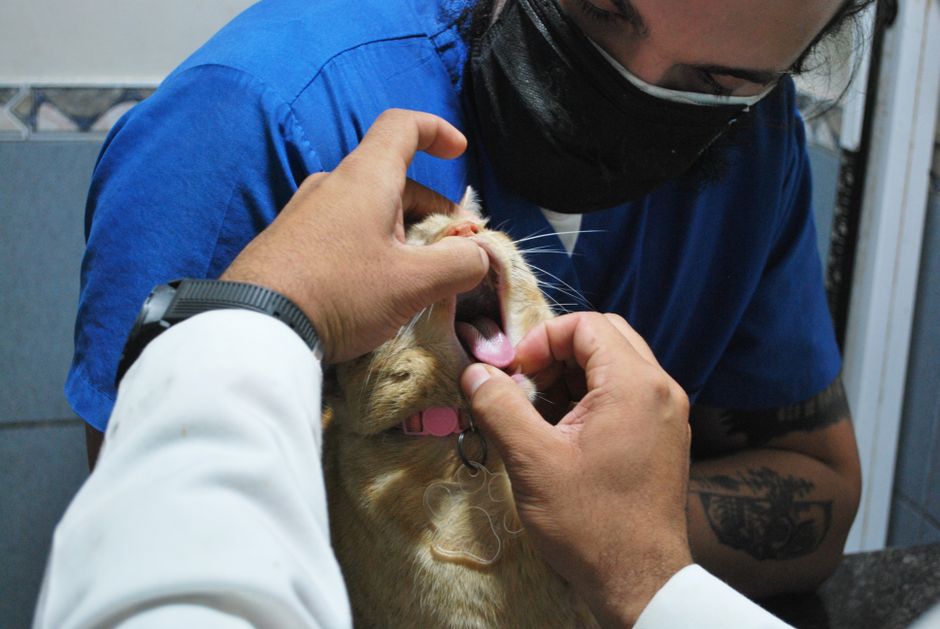
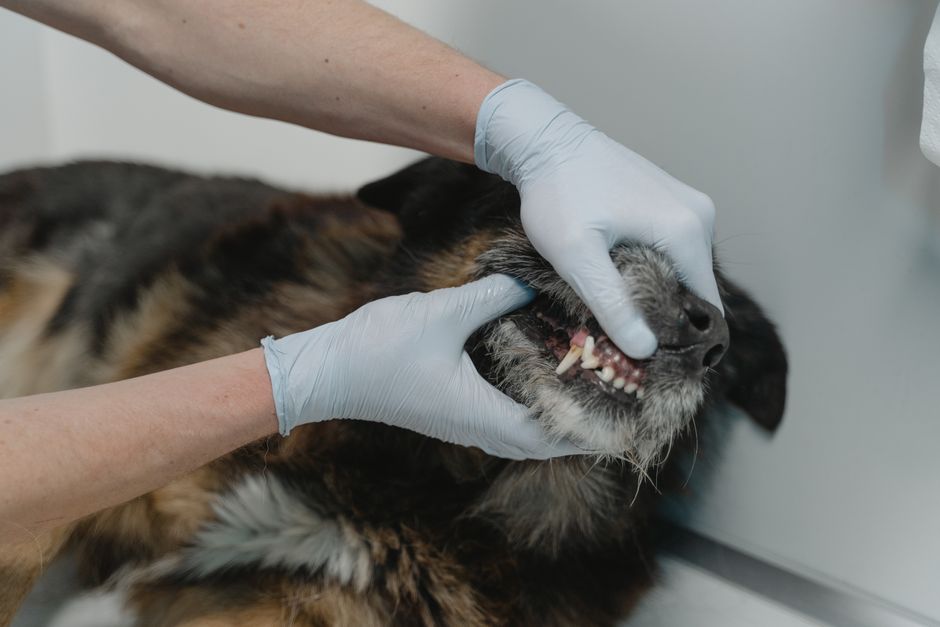
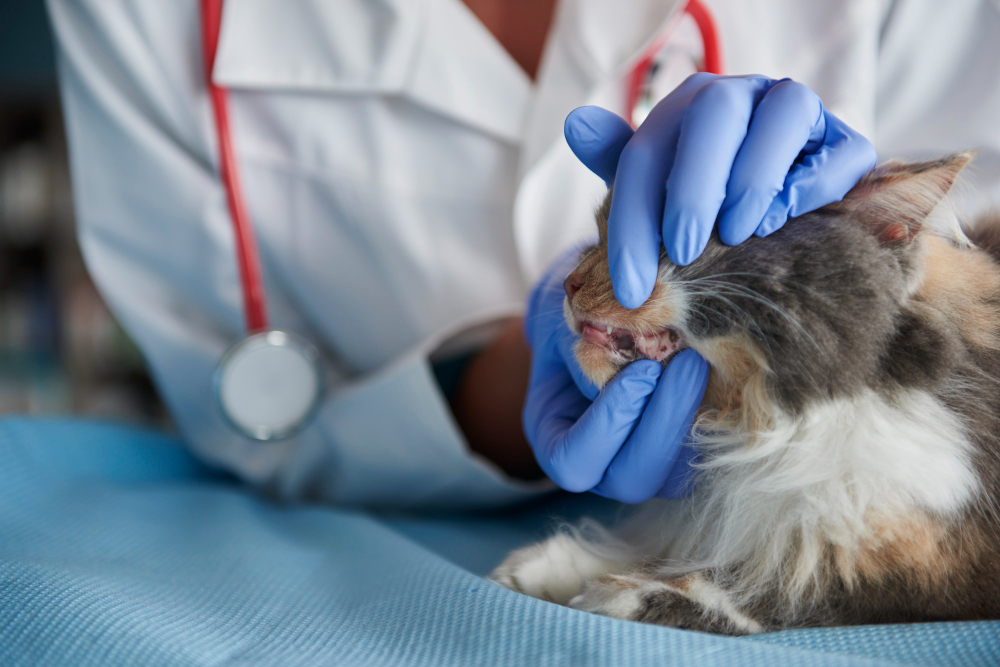
If your dog or cat experiences a fractured tooth, specialized treatment is essential for comfort and long-term oral health. At Animal Dental Clinic, our veterinary dental professionals offer advanced diagnostic and therapeutic options tailored to each patient’s needs. A thorough oral examination is the first step, often including dental radiographs or advanced imaging to assess the extent of the damage below the gumline.
Treatment approaches depend on the type and severity of the fracture. For minor chips that do not expose the sensitive pulp, smoothing the tooth surface and monitoring for changes may be sufficient. However, if the fracture exposes the pulp or nerve tissue, more extensive intervention is needed to prevent pain and infection. Our team may recommend endodontic procedures, such as root canal therapy, to save the tooth and eliminate discomfort. In cases where the tooth cannot be preserved, extraction may be the best option for your pet’s wellbeing.
Restorative treatments are available for eligible teeth, providing protection from further damage and restoring function. If your pet’s tooth is repairable, our dental restoration services can help rebuild the tooth’s structure and integrity. For pets with severe injuries or advanced disease, pet oral surgery offers a path to recovery and comfort.
Pain management, infection control, and follow-up care are integral parts of the treatment plan. Our veterinary dental team will guide you through every step, ensuring your pet receives the highest level of specialized care.
Preventing Summer Tooth Fractures: Home Care Tips
Prevention starts with awareness. Choosing safe toys and treats for your dog or cat can significantly reduce the risk of dental injuries. Avoid offering bones, antlers, hooves, hard nylon chews, or ice cubes that cannot be dented with your fingernail. Instead, opt for softer dental chews, rubber toys designed for dental health, or treats approved by veterinary dental organizations. Supervise playtime, especially with new or unfamiliar toys, and remove objects that could fracture a tooth.
Routine dental care at home is also important. Brushing your pet’s teeth with a pet-safe toothpaste helps keep enamel strong and reduces the risk of decay that can weaken teeth over time. Regular oral health checks allow you to spot early signs of trouble before they become serious. If your pet is reluctant to have their mouth handled or you notice any changes in their eating or chewing habits, do not hesitate to contact a veterinary dental specialist.
Scheduling a comprehensive oral health assessment and treatment with our team at Animal Dental Clinic provides a thorough evaluation of your pet’s mouth, identifying vulnerabilities before they lead to painful fractures.
When to Seek Veterinary Dental Care
It is crucial to seek veterinary dental care promptly if you suspect your dog or cat has suffered a tooth fracture. Delaying treatment can result in infection, chronic pain, or loss of additional teeth. If your pet is reluctant to eat, drooling excessively, bleeding from the mouth, or showing signs of discomfort when chewing, contact a veterinary dental specialist as soon as possible. For injuries involving visible breaks, exposed pulp, or persistent swelling, immediate evaluation is essential.
General practice veterinarians can often identify dental injuries, but referral to a specialty dental team ensures your pet receives the most advanced care available. At Animal Dental Clinic, our board-certified veterinary dentist and experienced dental team provide specialized diagnostics, restorative procedures, and oral surgeries tailored to your pet’s individual needs.
If you are unsure whether your pet’s symptoms require urgent attention, our veterinary dental professionals are always available to help you assess the situation and provide guidance on next steps.
Why Choose a Veterinary Dental Specialist in Vienna, VA?
Dental fractures can have a lasting impact on your pet’s health and happiness, but prompt, expert care makes all the difference. As a dedicated dental specialty practice, Animal Dental Clinic is equipped with advanced tools and techniques to handle everything from minor chips to complex fractures and oral surgery. Our practice serves Vienna and surrounding communities, providing compassionate, expert care for dogs and cats experiencing dental injuries.
We understand the stress that comes with seeing your pet in discomfort, especially during the vibrant summer months when you want them to enjoy every moment. Our flexible hours, skilled veterinary dental professionals, and commitment to individualized care ensure your pet’s smile gets the attention it deserves.
Take Action: Protect Your Pet’s Smile This Summer
Tooth fractures are a common risk during the summer, but with vigilance and the right support, you can keep your dog or cat comfortable and healthy all season long. Watch for changes in eating habits, chewing behavior, or signs of oral discomfort, and choose toys and treats that prioritize safety. If you suspect a dental injury, do not delay—specialized care is the key to a swift recovery and long-term health.
If you are searching for a dental specialty vet near me, trust the expertise of Animal Dental Clinic. Schedule a dental assessment or treatment for your pet by calling (703) 281-5900 or visiting us at 410 Maple Avenue West, Suite #1, Vienna, VA 22180. For more information on how we can help restore chipped or fractured teeth, explore our dental repair services or read more dental care tips on our blog.
Your pet’s comfort and happiness matter every day of the year. Let our veterinary dental team help keep your companion’s smile bright and pain-free, no matter what adventures summer brings.
This blog is intended for informational purposes only and should not replace professional veterinary advice. For any concerns about your pet’s dental health, please consult with a qualified veterinary dental specialist.