How Summer Heat Affects Your Pet’s Oral Health
How Summer Heat Affects Your Pet’s Oral Health
Summer in Vienna, VA brings longer days, outdoor adventures, and rising temperatures. While you may already know to watch for signs of heatstroke or dehydration in your dog or cat, you might not realize that the summer heat can also influence your pet’s oral health. At Animal Dental Clinic, located at 410 Maple Avenue West, Suite #1, Vienna, VA 22180, our veterinary dental specialists are committed to helping pet owners in Vienna and surrounding communities protect their companions’ smiles through every season. In this blog, we will explore how warm weather can impact your dog or cat’s mouth, which signs merit professional attention, and what steps you can take to keep your pet comfortable and healthy all summer long. We will also discuss when advanced dental care is necessary and how our team can support your pet’s oral health journey, especially when summer brings unique challenges.
Recognizing Summer-Related Oral Health Problems in Pets
Many pet owners notice changes in their dog or cat’s behavior during the summer, but oral health issues are often overlooked. Heat and humidity can create conditions that affect your pet’s mouth in surprising ways. Recognizing the signs early can help you take action before minor discomfort turns into a serious dental problem.
Common symptoms of summer-related oral health concerns include increased drooling, bad breath that seems stronger than usual, and reluctance to eat or chew toys. You may notice your pet pawing at their mouth or face, dropping food while eating, or favoring one side of the mouth. Other warning signs include red or swollen gums, visible tartar buildup, or sudden changes in energy during meals. Pets with existing dental disease may show more severe symptoms, such as bleeding from the mouth or visible swelling around the jaw. If your pet is spending more time outdoors, be alert for mouth injuries from chewing on sticks, rocks, or other objects found during summer play.
It is important to remember that summer heat can exacerbate underlying oral health issues. Dehydration may make saliva thicker, reducing its natural cleansing effect and allowing bacteria to multiply. This can quickly worsen problems like gingivitis or periodontal disease, leading to discomfort and a higher risk of infection.
How Summer Heat and Activities Influence Pet Dental Health
Understanding why oral health problems become more prominent in the summer starts with recognizing the role of temperature, humidity, and seasonal habits. Vienna’s warm, humid summers can create the perfect environment for bacteria to thrive in your pet’s mouth. When pets become dehydrated, their saliva production decreases, making it harder for their bodies to naturally wash away food particles and bacteria.
Outdoor activities are often more frequent in the warmer months. Dogs, in particular, may chew on sticks, stones, or other objects found during walks, hikes, or backyard play. This can lead to chipped or fractured teeth, gum lacerations, or foreign bodies lodged in the mouth. Cats that spend more time near open windows or screened porches may also find new objects to chew or encounter insects that can sting or bite inside the mouth.
Diet changes are another factor. Some pets eat more treats or enjoy frozen snacks during the summer, and these can sometimes be hard or sticky, increasing the risk of dental injuries or lodged food particles. Additionally, summer tends to bring more social gatherings and outdoor barbecues, where pets might sneak table scraps that are not part of their usual diet, potentially causing oral discomfort or exacerbating existing dental issues.
The combination of heat, changes in routine, and exposure to new items means that summer presents unique risks for your pet’s dental health. If your dog or cat already has dental disease, these factors can accelerate progression, making timely intervention even more important.
Professional Dental Care for Summer-Related Oral Health Issues
When your pet develops dental problems during the summer, professional care is essential, especially if advanced treatment is needed. At Animal Dental Clinic, our focus is on specialized dentistry and oral surgery, providing services that address a wide range of oral health concerns in pets.
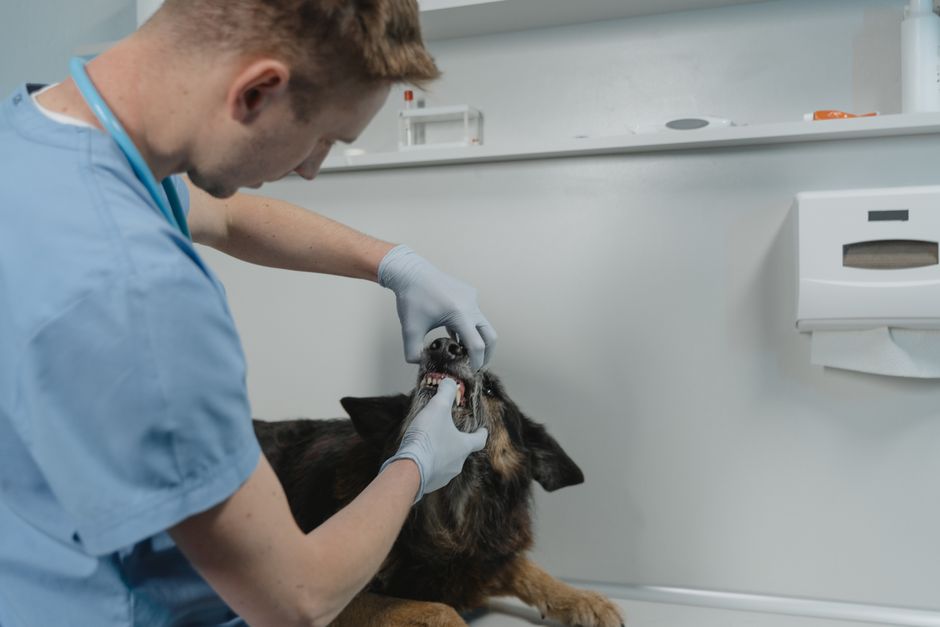
If your pet experiences a fractured tooth from chewing on a stick or rock, dental repair services are available to restore comfort and function. Severe dental disease, abscesses, or infections may require procedures such as tooth extractions or oral surgery. Our veterinary dental team utilizes advanced diagnostics, including digital oral radiology and CBCT scans, to identify the full extent of dental issues that may not be visible during a standard examination.
For pets with deep infections or damaged teeth, endodontic therapy (root canal treatment) may be necessary to save the tooth and eliminate pain. Our clinic also provides specialized care for oral injuries, such as lacerations or foreign bodies embedded in the mouth. When oral tumors or advanced disease are present, surgical intervention may be required, always tailored to your pet’s specific needs and comfort.
During every procedure, we prioritize safety and comfort through the use of general anesthesia, which is essential for effective and pain-free dental care in pets. You can learn more about this topic in our resource on why anesthesia is vital for pet dentistry.
If your pet is showing any signs of dental distress this summer, seeking specialty dental care can help prevent complications and ensure a faster, more comfortable recovery.
Home Care and Prevention: Keeping Your Pet’s Smile Healthy in Summer
While professional care is crucial for treating established problems, preventive measures at home can make a big difference during the summer months. Keeping your pet hydrated is one of the most effective ways to maintain oral health. Fresh, clean water should be available at all times, both indoors and outdoors, to help support saliva production and natural cleansing of the mouth.
Regular tooth brushing is another important step. Brushing your dog or cat’s teeth with a pet-safe toothpaste can help remove plaque and reduce the risk of tartar buildup, especially when summer treats and outdoor activities increase the chance of food particles sticking to teeth. If you need guidance on brushing techniques, our How To Videos provide step-by-step instructions for pet owners.
Choosing safe chew toys and treats is important, particularly when pets are more active outdoors. Avoid allowing your dog or cat to chew on hard objects like bones, antlers, rocks, or sticks, as these can cause dental fractures. Instead, opt for veterinarian-approved dental chews or products that are safe and effective for cleaning teeth. Our clinic offers a selection of home care products designed to support your pet’s oral hygiene.
Routine dental check-ups are essential, even in the absence of obvious symptoms. A comprehensive oral health assessment and treatment from a veterinary dental specialist can identify early signs of disease and help you formulate a customized prevention plan tailored to your pet’s needs.
When to Seek Veterinary Dental Care
Not every change in your pet’s mouth during summer requires immediate intervention, but certain signs should prompt a call to our veterinary dental professionals. Persistent bad breath, refusal to eat or sudden changes in eating behavior, visible swelling, bleeding from the mouth, or signs of pain (such as whimpering, hiding, or pawing at the face) indicate a need for prompt evaluation.
If your pet suffers a mouth injury, such as a broken tooth or laceration, or if you notice any hard object lodged in the mouth, professional assessment is crucial. Waiting can lead to infection, worsening pain, or even life-threatening complications.
Pets with known dental disease, chronic medical conditions, or those that have undergone dental procedures in the past may be at higher risk for complications during the summer. If you have concerns or notice anything unusual, reaching out for guidance ensures your pet receives appropriate care before problems escalate.
Our veterinary dental team in Vienna is here to provide specialized care and will work closely with your primary veterinarian to ensure a seamless referral process when advanced dental treatment is required.
Supporting Your Pet’s Oral Health All Summer Long
Summer is a season of fun, but it also brings unique challenges for your pet’s oral health. By staying alert to changes in your dog or cat’s mouth, maintaining good home care habits, and seeking specialized dental care when needed, you can help your companion stay comfortable and smiling throughout the warm months.
If you are searching for a dental specialty vet near me, Animal Dental Clinic is your trusted resource for advanced pet dental care in Vienna and surrounding communities. Our dedicated team of veterinary dental professionals offers everything from comprehensive oral health assessments and treatment to advanced surgical procedures, always with your pet’s comfort in mind.
To schedule a consultation or learn more about how summer may affect your pet’s oral health, contact us at (703) 281-2987 or visit our location. For additional tips on at-home dental care, explore our How To Videos and home care products. Your pet’s healthy smile is our priority—let us help you make this summer safe and enjoyable for every member of your family.
This blog is intended for informational purposes only and does not replace professional veterinary advice. If you are concerned about your pet’s oral health, schedule an appointment with a veterinary dental specialist.