How Humid Weather Impacts Pet Dental Surgery Recovery
How Humid Weather Impacts Pet Dental Surgery Recovery
Summer in Vienna, VA brings not only sunshine and longer days, but also increased humidity that can affect your dog or cat’s comfort and health—especially if your pet is recovering from dental surgery. At Animal Dental Clinic, located at 410 Maple Avenue West, Suite #1, Vienna, VA 22180, our team of veterinary dental specialists understands how local weather conditions can influence healing after oral procedures. Many pet owners are surprised to learn that humidity can impact recovery, from how wounds heal to your pet’s risk of infection and overall comfort in the days following surgery. In this article, we will explore the effects of humid weather on dental surgery recovery for pets, highlight symptoms that warrant attention, and share expert advice tailored for pet owners in the Vienna area. You’ll also find tips to help your dog or cat heal comfortably at home this summer, and guidance on when to reach out for advanced veterinary dental care.
Recognizing Recovery Issues in Humid Weather
When your pet comes home after dental surgery, you expect some mild swelling or temporary changes in behavior. However, humidity during the summer months in Vienna and surrounding communities can complicate the healing process. Signs that your dog or cat may be struggling to recover in these conditions include persistent swelling at the surgery site, increased redness around the mouth or gums, and discharge that may appear cloudy or have an odor. Additional symptoms to watch for are excessive drooling, decreased appetite, pawing at the mouth, or reluctance to eat even soft foods. If your pet seems unusually lethargic, develops a fever, or you notice bleeding that does not stop, these may indicate complications that call for prompt veterinary attention.
Humidity can also make pets more prone to licking at sutures or wounds due to irritation, which increases the risk of infection. For cats, fastidious grooming may actually introduce more bacteria to the surgical site when the air is moist and warm. Dogs may pant more, which can dry out tissues yet paradoxically make them more sensitive to inflammation from bacteria thriving in humid environments. Understanding these warning signs can help you act quickly to support your pet’s recovery.
Why Humidity Affects Healing After Dental Surgery
Northern Virginia’s humid summers create an environment where bacteria and fungi thrive, especially in moist areas like your pet’s mouth. After oral surgery, incisions or extraction sites are particularly vulnerable to infection if bacteria multiply faster than the immune system can manage. Elevated humidity slows the evaporation of saliva, allowing moisture to linger at the surgical site and potentially create the perfect conditions for bacterial growth.
Additionally, humidity can cause your pet to feel warmer than usual, leading to increased drooling or panting. This extra moisture, combined with the heat, can disrupt the delicate balance needed for optimal healing. Pets recovering from dental surgery may also be less active due to discomfort or pain, making it harder for you to notice subtle changes in their behavior or wound appearance when days are spent indoors with windows closed and air conditioning running.
For pets with underlying health conditions—such as diabetes, heart disease, or immune suppression—the risk of healing complications from humidity is even greater. These pets may already have slower wound healing, so any additional environmental stressor could further delay their recovery.
Expert Veterinary Dental Care and Management Options
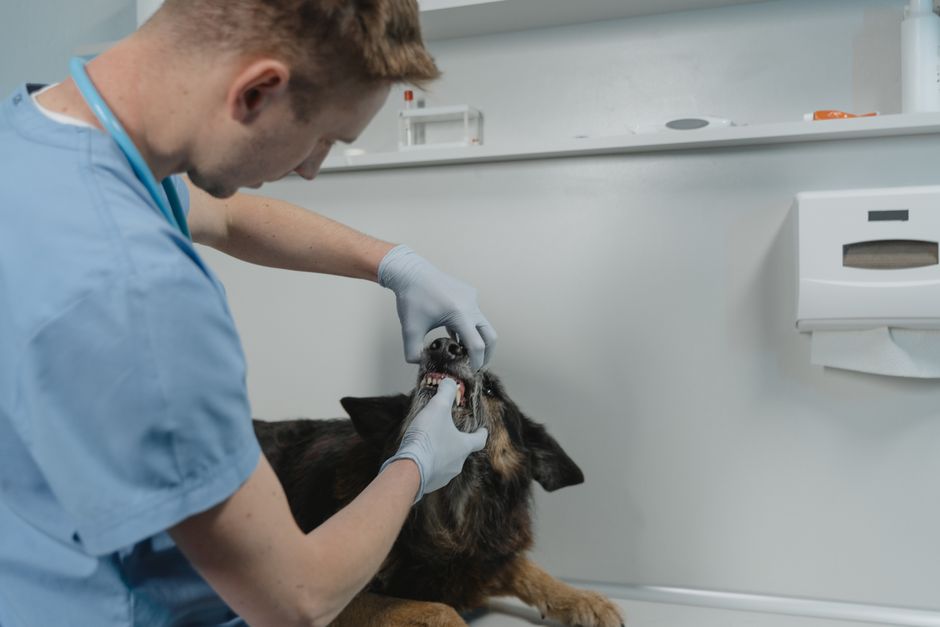
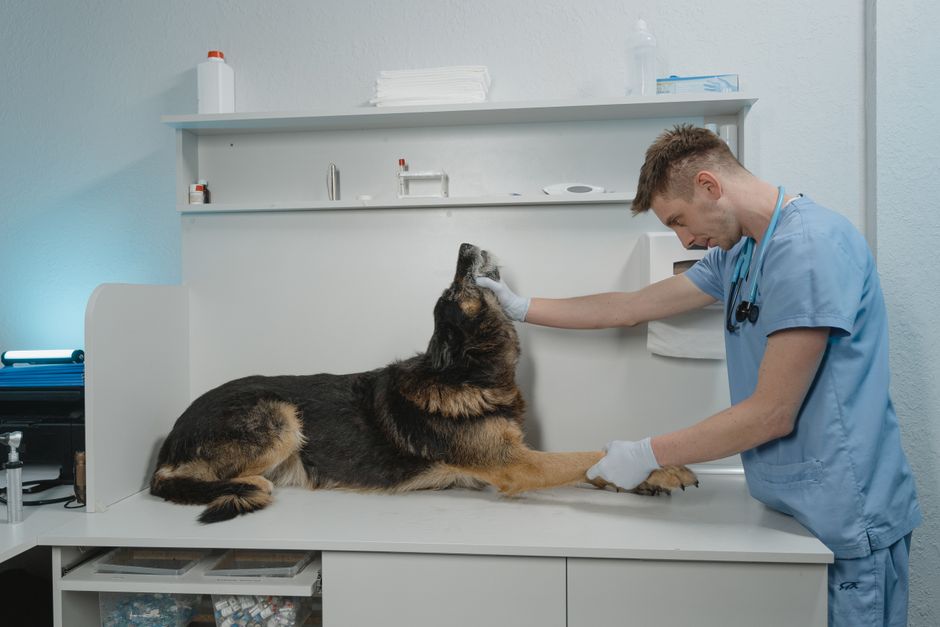
At Animal Dental Clinic, our veterinary dental specialists are highly trained in advanced oral surgery and understand the unique needs of pets recovering during northern Virginia’s humid summers. Professional management of your pet’s recovery begins with precise surgical technique, careful control of bleeding, and the use of appropriate materials for suturing and wound care. Our team utilizes advanced imaging and diagnostics to ensure all dental and oral health concerns are addressed before your pet returns home.
After surgery, we provide detailed instructions for monitoring your pet’s recovery, including what symptoms merit immediate attention. In some cases, we recommend follow-up visits to assess wound healing, especially if your pet is at higher risk due to age, underlying health conditions, or the complexity of the procedure. For pets experiencing delayed healing, excessive swelling, or signs of infection, treatment options may involve antibiotic therapy, wound management, or in rare cases, additional surgical intervention.
If your pet requires tooth extraction or more complex oral surgery, understanding the recovery process is vital. You can learn more about extraction services for pets recovering from dental surgery and our commitment to supporting safe, comfortable healing at home. Our approach is always tailored to your pet’s specific needs, surgery type, and the environmental factors—like humidity—that could impact recovery.
Home Care Strategies for Humid Weather Recovery
Helping your pet heal comfortably at home during humid summer months requires a bit of extra vigilance and care. One of the most important steps is to keep your pet indoors as much as possible, in a well-ventilated and air-conditioned space where humidity is controlled. If your home lacks central air, consider using a dehumidifier in the room where your pet rests to help reduce moisture in the air.
Monitor your pet’s wound or surgical site at least twice daily, looking for changes in swelling, redness, or discharge. Providing fresh water at all times is essential, as hydration supports healing and helps flush bacteria from the mouth. Feeding soft foods as recommended by your veterinary dental specialist can reduce discomfort and prevent trauma to healing tissues. Discourage your pet from licking or pawing at the mouth—using an Elizabethan collar may be necessary in some cases.
Maintaining good oral hygiene is important, but you should always follow your veterinary team’s guidance on when and how to resume brushing or other dental care at home. You may find our home care products recommended for supporting pet dental recovery and hygiene especially helpful during this period. If you have questions about caring for your pet after surgery, our how-to videos for pet owners guiding home care after dental surgery offer step-by-step demonstrations and practical tips.
When to Seek Veterinary Dental Care
While some swelling and discomfort are part of normal healing, certain signs mean it’s time to contact your veterinary dental specialist right away. You should call if your pet exhibits persistent or worsening swelling, bleeding that does not stop within a few minutes, foul-smelling discharge, or obvious pain that prevents eating or drinking. Signs of systemic illness—such as fever, vomiting, or extreme lethargy—also warrant immediate attention.
If you notice any issues that concern you during your pet’s recovery, do not hesitate to reach out. Early intervention is key to preventing minor complications from becoming major concerns, especially in humid weather when infections can advance quickly.
For comprehensive information about supporting your dog or cat’s recovery after dental surgery, visit our pet health library with articles and resources about dental surgery and recovery tips or browse our frequently asked questions covering pet dental procedures and post-surgery home care tips. These resources are designed to answer common questions and help you feel confident in managing your pet’s care at home.
Supporting Your Pet’s Dental Health Year-Round
The summer humidity in Vienna, VA and neighboring communities can pose unique challenges for pets healing after dental surgery, but with proactive care and expert guidance from the veterinary dental team at Animal Dental Clinic, your pet can recover safely and comfortably. By staying vigilant for signs of complications, maintaining an optimal indoor environment, and following your specialist’s instructions, you can help minimize the impact of humid weather on your pet’s healing process.
If you have concerns about your dog or cat’s recovery, or if you’re searching for a specialty dental vet near me who understands the local climate and advanced oral surgery, our team is here to help. Schedule an appointment by calling (703) 281-5900, or visit us at 410 Maple Avenue West, Suite #1, Vienna, VA 22180. At Animal Dental Clinic, we are committed to providing compassionate, state-of-the-art dental care for your pets—so they can enjoy a healthier, happier summer and beyond.
For additional trusted information and guidance on pet dental surgery and recovery, explore our comprehensive oral health assessment and treatment for dogs and cats or check out our helpful links for pet owners about dental health, recovery, and related veterinary care. Your pet’s comfort, safety, and wellbeing are always our top priorities.