Does Pollen Season Affect Your Pet’s Oral Health?
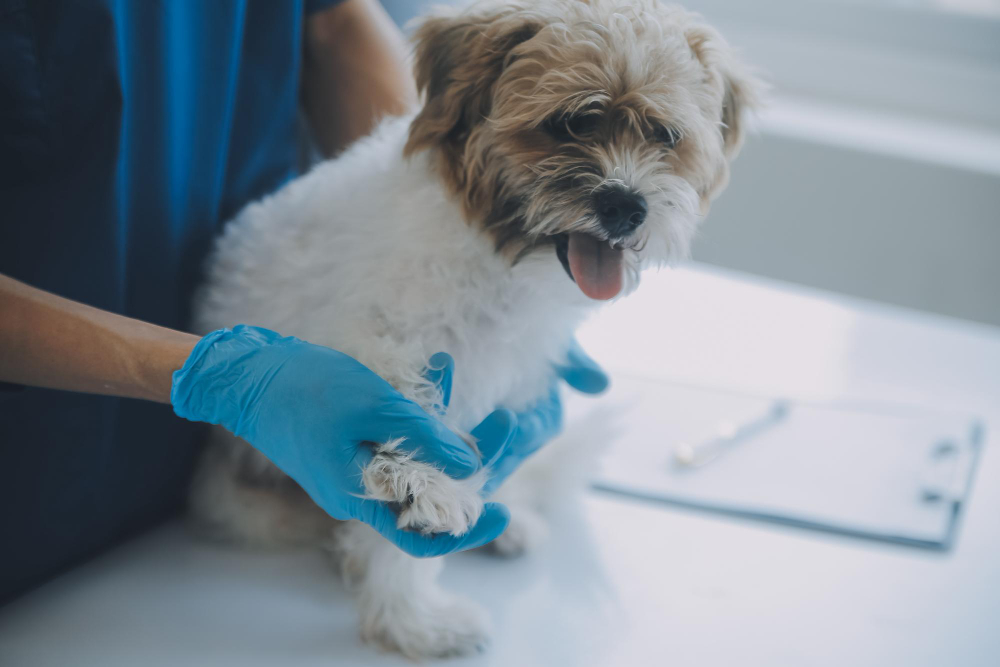

Does Pollen Season Affect Your Pet’s Oral Health?
As spring arrives in Vienna, VA and surrounding communities, many pet owners notice their own allergy symptoms flaring up. Sneezing, watery eyes, and scratchy throats are common complaints during peak pollen season. But did you know that these seasonal allergens can also affect your pet’s health—especially their mouth? At Animal Dental Clinic, our team of veterinary dental specialists has seen how environmental changes can impact the oral health of dogs and cats. In this article, we’ll explore how pollen and springtime allergens may influence your pet’s mouth, what signs to watch for, and steps you can take to keep their smile healthy all year long. If you have questions or concerns about your pet’s dental health, our clinic at 410 Maple Avenue West, Suite #1, Vienna, VA 22180 is here to provide advanced care tailored to your pet’s unique needs.
Whether you’re seeking tips for seasonal pet care or wondering when to consider specialized veterinary dentistry, you’ll find expert guidance here. We’ll discuss the connections between pollen exposure and oral health, offer practical home care advice, and explain when it’s time to consult our veterinary dental professionals for a more comprehensive evaluation. For more in-depth information about advanced dental treatments, you can also explore our Comprehensive Oral Health Assessment and Treatment for pets page.
Recognizing Signs of Oral Health Issues During Pollen Season
Springtime in northern Virginia brings a burst of blooms, but it also delivers a wave of pollen that can affect pets in ways many owners might not expect. While some pets display classic allergy symptoms like itchy skin or sneezing, others may develop subtle changes in their mouth. Noticing the early signs of oral discomfort can make a significant difference in your pet’s comfort and overall health.
Key symptoms that may point to pollen-related oral issues include increased drooling, pawing at the mouth, bad breath that seems to worsen with the season, or a sudden reluctance to eat dry food. Some pets may also lick their lips more frequently, develop red or swollen gums, or show discomfort when chewing toys. Additionally, you might observe your dog or cat rubbing their face against furniture or the carpet more often than usual. These signs can be easy to overlook, especially if your pet already struggles with allergies or dental disease. However, changes in eating habits or oral sensitivity during peak pollen months are important clues that your pet’s mouth may be affected.
It is essential to monitor these symptoms closely, as they can overlap with other dental conditions. If you notice any of these behaviors or changes, consider reaching out to a veterinary dental specialist to determine if seasonal allergens are playing a role or if another underlying dental issue is present.
How Pollen and Allergies Can Influence Your Pet’s Oral Health
While it’s well known that pollen causes sneezing and itchy eyes in people, its impact on pets can extend beyond the nose and skin. When dogs and cats inhale or ingest airborne allergens, their immune system can react in a variety of ways, including inside the mouth.
One of the most common reactions to pollen exposure in pets is oral inflammation, known as allergic stomatitis or gingivitis. This condition involves the gums and oral tissues becoming red, swollen, and sensitive due to an exaggerated immune response. The mouth is a constant entry point for allergens, especially for dogs that sniff and lick surfaces on walks or cats grooming themselves after playing outside. These activities can introduce pollen, grass, or mold spores directly to the oral tissues, setting off irritation or discomfort.
Additionally, increased drooling and licking in response to oral itchiness can change the mouth’s natural environment. This may encourage the buildup of plaque and bacteria, which in turn can accelerate dental disease. In pets with pre-existing dental conditions, such as gingivitis or periodontal disease, pollen season may trigger flare-ups or make existing inflammation worse.
Some breeds are especially prone to allergy-related oral issues. For example, certain terriers and retrievers are genetically predisposed to environmental allergies that can affect both their skin and their mouths. Cats with a history of eosinophilic granuloma complex may show oral lesions that worsen during spring and fall, when pollen counts are highest. It is important to understand that while pollen may be a trigger, underlying dental disease or immune-mediated conditions can also contribute to oral discomfort. A thorough examination by a veterinary dental professional is the best way to determine the specific cause and create an effective treatment plan.
Professional Treatment and Management for Allergy-Related Oral Disease
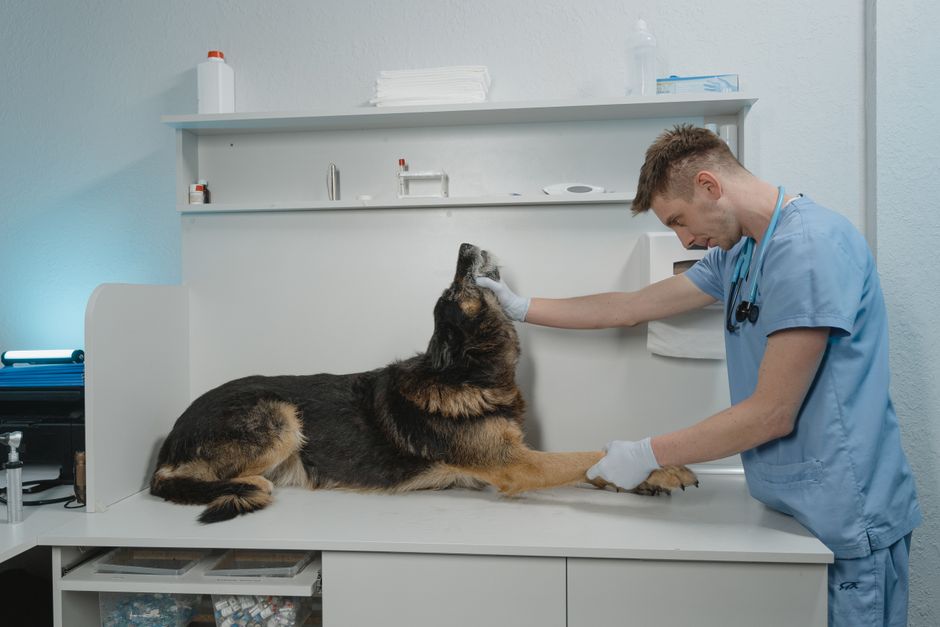
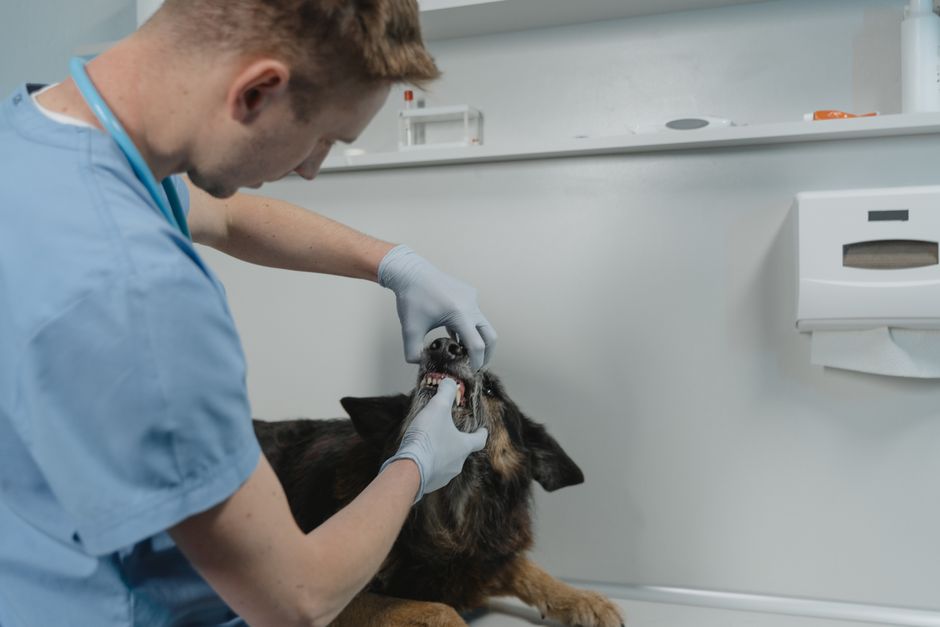
When a pet’s oral health is compromised by seasonal allergies, a targeted approach is essential. At Animal Dental Clinic, our veterinary dental team begins with a comprehensive evaluation, which may include a Comprehensive Oral Health Assessment and Treatment to fully understand the extent of the problem. This in-depth assessment examines every tooth, gum, and oral structure, often using advanced imaging and diagnostic tools to detect underlying issues that are not visible during a standard examination.
If allergic stomatitis or severe gingivitis is identified, treatment options involve a combination of professional dental cleaning, topical or systemic medications to control inflammation, and in some cases, advanced therapies such as oral surgery. For pets with significant plaque or tartar buildup, a thorough cleaning under anesthesia is often recommended to remove bacteria and irritants that may be contributing to the inflammation. Our veterinary dental specialists are skilled in safely administering anesthesia and monitoring your pet throughout the procedure, ensuring their comfort and safety.
In cases where structural damage or persistent oral lesions are present, our team may recommend specialized treatments such as Pet Oral Surgery or even restorative dental procedures for damaged teeth. These advanced interventions are designed to address severe discomfort, prevent further complications, and restore your pet’s ability to eat and groom comfortably. Throughout treatment, we emphasize communication and individualized care, so you understand your pet’s diagnosis and the rationale behind every recommendation.
For pets with chronic allergy-related oral disease, ongoing management is key. This may include periodic professional cleanings, routine monitoring, and collaboration with your primary care veterinarian or a veterinary dermatologist to control environmental allergies that are affecting the mouth. Our goal is to provide relief, prevent recurrence, and help your pet return to their happy, healthy self as quickly as possible.
Preventing Oral Health Problems During Pollen Season: Home Care Tips
While professional treatment is sometimes necessary, many steps can be taken at home to reduce the impact of pollen on your pet’s oral health. Consistent, attentive home care not only supports your pet’s comfort during allergy season but also helps prevent more serious dental problems from developing.
Regular tooth brushing is one of the most effective ways to remove pollen, debris, and bacteria from your pet’s mouth. Using a pet-safe toothpaste and a soft-bristled brush, aim to clean your dog or cat’s teeth several times a week, especially after outdoor activities. Wiping your pet’s face and mouth with a damp cloth after walks or playtime can also help minimize pollen exposure and reduce oral irritation.
Providing plenty of fresh water encourages your pet to rinse away allergens naturally. Additionally, offering dental chews or toys designed to promote oral hygiene can stimulate saliva production and help clean teeth between brushings. If your pet is particularly sensitive to environmental allergens, try to limit outdoor time on high pollen days and consider using air purifiers indoors to reduce the overall allergen burden.
At Animal Dental Clinic, we recommend exploring our range of Home Care Products for pet dental health, which are specifically selected to support oral hygiene and comfort. Our veterinary dental professionals are always happy to demonstrate proper brushing techniques and suggest customized home care routines for your pet’s unique needs.
When to Seek Advanced Veterinary Dental Care
Deciding when to visit a veterinary dental specialist can feel daunting, especially if your pet’s symptoms seem mild or intermittent. However, oral health problems can progress quickly and may not resolve on their own—especially when allergies are involved.
You should seek professional evaluation if your pet displays persistent symptoms such as ongoing drooling, red or swollen gums, bad breath that does not improve with brushing, or difficulty eating. Sudden changes in behavior, such as hiding, reduced interest in play, or visible discomfort when chewing, also warrant attention. If your primary care veterinarian recommends a referral due to ongoing oral inflammation or suspected dental disease, our team is equipped to provide the specialized diagnostics and treatments your pet requires.
For those looking for a "dental vet near me," Animal Dental Clinic in Vienna, VA serves as a trusted referral destination for advanced dental care. Our veterinary dental specialists use state-of-the-art imaging, surgical, and restorative techniques to address even the most complex oral health challenges.
If you’re unsure whether your pet’s symptoms are related to allergies, dental disease, or another condition, it is always best to consult with a veterinary professional. We encourage you to reach out with concerns so we can help guide you toward the right care for your companion.
Keeping Your Pet’s Smile Healthy All Year Long
Spring pollen can create challenges for both pets and their owners, but with the right knowledge and proactive care, you can keep your pet comfortable and healthy through every season. By recognizing the early signs of oral discomfort, practicing diligent home care, and seeking specialized veterinary dentistry when needed, you give your pet the best possible chance at lifelong oral health.
If you notice changes in your pet’s mouth during pollen season or have questions about their dental needs, Animal Dental Clinic is here to support you. Our veterinary dental team is dedicated to providing expert care and personalized solutions for every pet we see. To learn more about our advanced treatments or to schedule an evaluation, call us at (703) 281-5900 or visit us at 410 Maple Avenue West, Suite #1, Vienna, VA 22180. You can also explore additional resources such as our Home Care Products for pet dental health and Comprehensive Oral Health Assessment and Treatment for pets to further support your pet’s wellbeing.
When searching for a dental vet near me, trust the expertise and compassion of our veterinary dental professionals. We are here to help your pet enjoy a comfortable, healthy mouth—no matter what the season brings. If you have any concerns or want to prepare your pet for the challenges of pollen season, contact us today. Your pet’s health and happiness are always our top priorities.