Common Dental Surgeries for Pets Explained by Specialists
Common Dental Surgeries for Pets Explained by Specialists
Caring for your dog or cat’s teeth is about much more than keeping their breath fresh; it’s essential for their overall health, comfort, and happiness. For many pet owners in Vienna, VA and the surrounding communities, the idea of dental surgery for a beloved animal can feel overwhelming or even a little frightening. You may wonder which dental surgeries are most common, what signs might mean your pet needs intervention, and what to expect if your veterinarian refers you to a dental specialist. At Animal Dental Clinic, located at 410 Maple Avenue West, Suite #1, Vienna, VA 22180, our team of veterinary dental specialists is dedicated exclusively to advanced dentistry and oral surgery for pets. In this blog, we’ll guide you through the most common dental surgeries for dogs and cats, how to recognize when your pet might need professional dental care, and how our expertise ensures safe, effective treatment for healthier, pain-free smiles year-round.
How to Recognize When Your Pet May Need Dental Surgery
Most pet owners know to look for bad breath or tartar buildup as signs of dental trouble, but more serious dental problems often develop quietly. Your dog or cat may not show obvious discomfort until a dental disease or oral injury becomes advanced. Symptoms that could indicate the need for dental surgery include difficulty chewing, dropping food, pawing at the mouth, swelling along the jaw or face, bleeding gums, and sudden changes in appetite. You might also notice your pet favoring one side of the mouth or vocalizing when eating. For cats, a reluctance to eat dry food or visible lesions in the mouth may signal serious issues like tooth resorption or stomatitis.
If you see your dog with persistent bad breath or swollen gums, these are classic warning signs that should not be ignored. Further information on these signs can be found on our page about bad breath or swollen gums in dogs. For cats, severe red gums, drooling, or signs of oral pain may point toward conditions such as feline stomatitis or oral cancer. If your senior cat has developed facial swelling or oral masses, it’s important to seek veterinary attention promptly; you can review more about these signs and their implications for cats on our cat facial swelling and oral mass page.
Why Do Dental Problems Happen in Pets?
Dental disease is the most common health issue in adult dogs and cats. It often begins with the accumulation of plaque and tartar, which leads to inflammation of the gums (gingivitis) and can progress to periodontal disease. Over time, bacteria penetrate deeper into the tissues around the teeth, causing pain, infection, and even bone loss. Genetics, age, diet, and home dental care routines all play a role in how quickly dental disease progresses.
Some breeds are particularly prone to dental issues; for example, small dogs and certain cats may develop overcrowded teeth or misaligned bites that increase the risk of dental trauma or infection. Trauma from chewing hard objects, accidents, or underlying health conditions can also result in fractured teeth or jaw injuries. In some cases, oral tumors or congenital defects may require advanced dental intervention. Understanding why these issues occur is the first step in providing your pet with the care they need to remain healthy and pain-free.
Understanding Common Dental Surgeries for Dogs and Cats
Tooth Extractions and Exodontics
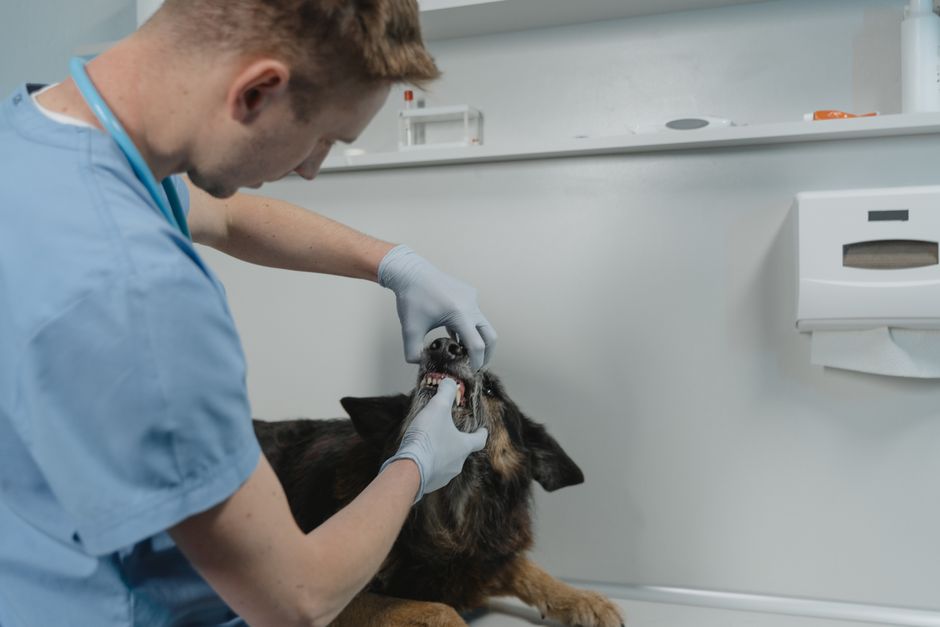
One of the most frequently performed dental surgeries in veterinary dentistry is the extraction of damaged or diseased teeth. Tooth extractions, also referred to as exodontics, are necessary when a tooth is so compromised by decay, infection, or injury that it cannot be saved. Indications for extraction include advanced periodontal disease, fractured teeth with exposed pulp, persistent baby teeth, and certain oral tumors.
At Animal Dental Clinic, our veterinary dental specialists use advanced techniques to ensure extractions are as minimally invasive and comfortable as possible. We utilize digital oral radiology and comprehensive oral health assessments to plan each procedure. If your veterinarian has recommended a tooth extraction, you can find more details about our pet tooth extraction services and exodontic care on our website.
Advanced Root Canal Therapy (Endodontics)
For pets with fractured teeth where the root structure is still viable, root canal therapy (endodontics) can be an option to save the tooth. This procedure involves removing infected or inflamed pulp tissue from inside the tooth, disinfecting the canal, and filling it to prevent further infection. Root canal therapy is especially common in larger dogs who have suffered traumatic injuries to their canine or carnassial teeth, often as a result of chewing on hard objects.
Preserving a functional tooth rather than extracting it can be particularly beneficial for working dogs or those who rely on their teeth for play and eating. For more about advanced root canal and pulp therapy, visit our endodontic services page.
Oral Surgery for Tumors, Masses, and Jaw Injuries
Some oral problems require more complex surgical intervention, such as the removal of oral tumors, masses, or the repair of jaw fractures. Tumors may be benign or malignant, and early detection is critical for the best outcome. Procedures like mandibulectomy (removal of part of the lower jaw) or maxillectomy (removal of part of the upper jaw) are sometimes necessary to fully remove cancerous tissue or repair traumatic injuries. These advanced surgeries demand a high level of expertise and specialized equipment, which are the hallmarks of a veterinary dental specialty clinic. You can learn more about these procedures on our mandibulectomy and maxillectomy page.
Restorative Dental Repairs and Fillings
Restorative procedures, such as dental bonding or fillings, are used to repair chipped, cracked, or worn teeth. These treatments help restore function and comfort, prevent further damage, and can sometimes save a tooth that might otherwise require extraction. Dogs and cats who have suffered traumatic injuries or have developmental defects benefit greatly from restorative dental repairs. You can explore our dental repair services and dental restoration options for more information on how we approach these cases.
Orthodontic Corrections
Although not as common as other procedures, some pets require orthodontic intervention to correct bite alignment issues, particularly if the malocclusion causes pain, difficulty eating, or risk of trauma to the mouth. Specialized orthodontic devices may be recommended to gradually correct the alignment of the teeth in growing animals. Our orthodontic treatment services address these needs with a focus on long-term comfort and function.
What to Expect: The Veterinary Dental Surgery Process
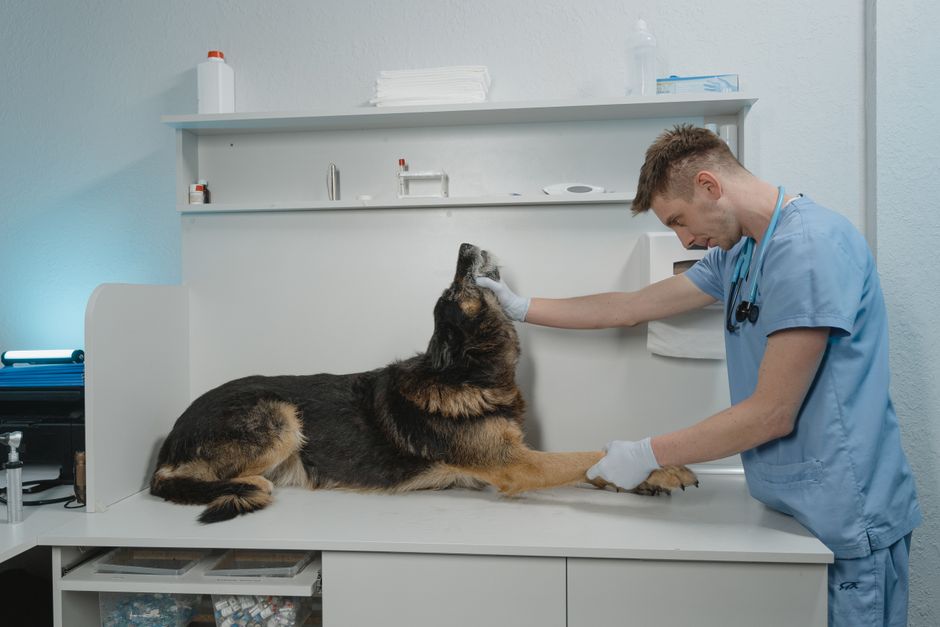
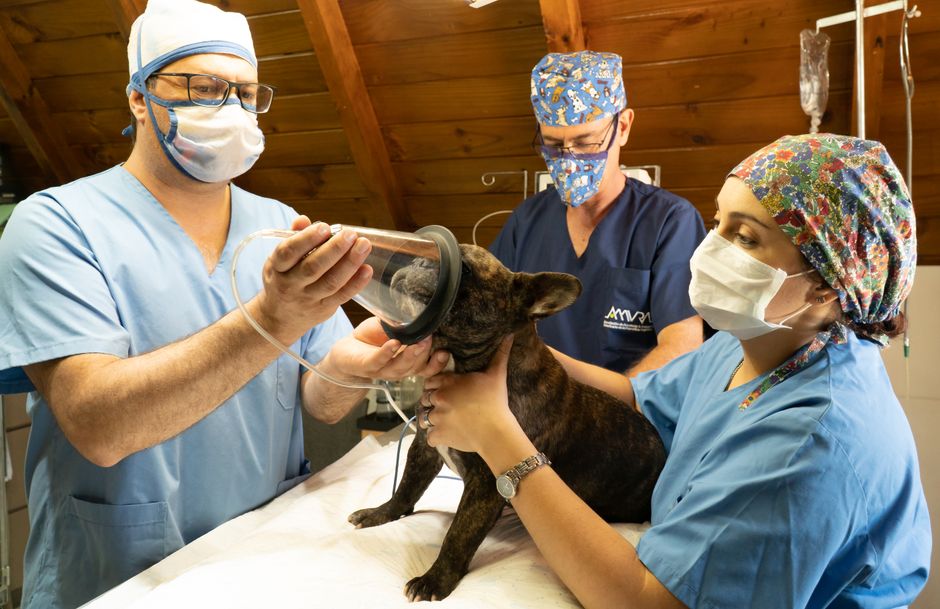
Pet owners are understandably concerned about anesthesia and surgical safety. At Animal Dental Clinic, every dental surgery is preceded by a comprehensive oral health assessment and thorough pre-anesthetic evaluation to ensure your pet is a good candidate for the procedure. We utilize advanced imaging techniques, such as CBCT scans for dental diagnostics and digital oral radiology, to create a detailed treatment plan tailored to your pet.
During the procedure, our veterinary dental specialists use state-of-the-art equipment and anesthesia protocols designed specifically for dogs and cats. Pain management is a top priority, both during and after surgery, and we closely monitor each patient throughout recovery. Most pets recover quickly and experience a significant improvement in comfort and quality of life once the underlying dental issue is addressed.
If you are concerned about anesthesia in older or high-risk pets, rest assured that our team has specialized experience in high-risk senior pet dental care and specialty anesthesia.
How to Prevent Dental Problems at Home
While some dental conditions are unavoidable due to genetics or trauma, many dental health issues in pets can be prevented with proactive care at home. Brushing your dog or cat’s teeth regularly with a pet-safe toothpaste is the gold standard for at-home dental care. Dental diets, chews, and water additives can also help reduce plaque buildup. It’s important to schedule regular dental assessments with your family veterinarian, who can refer you to a dental specialist for advanced care if needed.
Monitoring your pet for changes in eating habits, drooling, pawing at the mouth, or changes in breath odor can help catch dental problems early. For cats, especially, subtle shifts in behavior or reluctance to eat can be the first indication of oral pain. If you notice any of these signs, do not attempt to diagnose or treat dental problems at home; professional evaluation is essential for safe and effective care.
When to Seek Veterinary Dental Care
If your dog or cat is showing signs of oral pain, difficulty eating, facial swelling, or persistent bad breath, it’s time to seek veterinary dental care. Advanced dental issues rarely resolve on their own and often become more complicated and painful the longer they are left untreated. Your family veterinarian may refer you to a specialty clinic like Animal Dental Clinic for complex cases, including advanced extractions, root canals, oral surgery, and more. We work closely with referring veterinarians to provide seamless, specialized care and ensure the best possible outcome for your pet.
For guidance on when to see a veterinary dentist, especially for concerns like dog broken or fractured teeth or cat reluctance to eat and feline tooth resorption, our website has helpful resources tailored to each scenario. If you are searching for a "dental vet near me," remember that specialty dental care for pets is an important resource in maintaining your companion’s lifelong health and comfort.
Choosing the Right Veterinary Dental Specialist for Your Pet
Selecting a veterinary dental specialist means choosing advanced expertise, state-of-the-art technology, and a commitment to compassionate, individualized care. At Animal Dental Clinic, our mission is to provide every patient with the highest standard of dental and oral surgical care using the latest diagnostic and treatment modalities. Our veterinary dental team holds advanced credentials and is experienced in performing a wide array of procedures, from routine extractions to complex oral surgery.
Located conveniently at 410 Maple Avenue West, Suite #1, Vienna, VA 22180, we serve Vienna and the surrounding communities with flexible scheduling to meet your needs. If your family veterinarian has referred your pet for dental surgery, or if you have questions about your dog or cat’s oral health, our specialty team is here to help.
Take the Next Step for Your Pet’s Dental Health
Your pet’s comfort and wellbeing are always our top priorities. If you suspect your dog or cat may need advanced dental care, or if your veterinarian has recommended a consultation with a dental specialist, we invite you to reach out to our veterinary dental team. To schedule an appointment or learn more about our services, please call (703) 281-5900. For a comprehensive look at our offerings, including advanced pet oral surgery and comprehensive oral health assessment and treatment, visit our website. When searching for a dental vet near me, trust Animal Dental Clinic in Vienna to provide the expert care your companion deserves.
Always remember, timely intervention by a veterinary dental specialist can make all the difference in your pet’s health, comfort, and happiness. If you have concerns or questions, contact us today—your pet’s best smile is just a call away.