April Dental Checkups: Why Small Breed Dogs Need Extra Care

April Dental Checkups: Why Small Breed Dogs Need Extra Care
As spring arrives in Vienna, VA, many pet owners are eager to help their companions enjoy the warmer weather. For those with small breed dogs, April presents a vital opportunity to focus on dental health—a topic that is often overlooked until problems arise. At Animal Dental Clinic, located at 410 Maple Avenue West, Suite #1, Vienna, VA 22180, our team specializes in advanced dentistry and oral surgery for pets. We understand the unique risks smaller dogs face when it comes to dental disease, and we are dedicated to helping you safeguard your companion’s comfort and wellbeing.
In this blog, you’ll discover why small breed dogs are especially susceptible to oral health problems, how to recognize early signs of dental disease, and what makes professional dental checkups in April so important. We’ll also explain how our specialty services can address advanced dental needs and what steps you can take at home to support your dog’s oral health. Along the way, we’ll highlight how our Comprehensive Oral Health Assessment and Treatment services go beyond routine care, providing peace of mind for pet owners throughout Vienna and surrounding communities.
Recognizing Dental Problems in Small Breed Dogs
Many pet owners are surprised to learn just how common dental disease is in small breed dogs. These companions may seem healthy and energetic, but subtle signs can indicate that trouble is brewing beneath the surface. Key symptoms to watch for include persistent bad breath, difficulty chewing or a preference for soft food, visible tartar or discoloration on the teeth, swollen or bleeding gums, and changes in behavior such as irritability or reluctance to play with chew toys. In some cases, you may notice your dog pawing at their mouth or rubbing their face against furniture.
Additionally, dental disease in small dogs can progress rapidly. While larger breeds often show signs more gradually, smaller breeds like Yorkshire Terriers, Dachshunds, and Chihuahuas have crowded teeth and shallower roots, which can make them more prone to early tooth loss and infection. If your dog has a history of dental issues or you have noticed any new symptoms, it is best to consult with an experienced veterinary dental team as soon as possible.
Why Are Small Breed Dogs at Greater Risk?
Understanding why small breed dogs require extra dental attention starts with their anatomy. Smaller mouths mean that teeth are often more crowded, creating tight spaces where plaque and bacteria can accumulate. Over time, this buildup hardens into tartar, leading to gum inflammation, infection, and eventual tooth loss if not addressed. Genetics also play a role, as many small breeds are predisposed to periodontal disease—an infection of the tissues that support the teeth.
Other contributing factors include diet, oral hygiene habits, and even age. Many small dogs live long lives, giving dental disease more time to develop. Additionally, feeding primarily soft foods or table scraps can increase plaque buildup, especially if regular toothbrushing is not part of your home care routine. The result is that small dogs not only develop dental disease more frequently but also experience more severe consequences, including pain, difficulty eating, and even systemic health problems as bacteria spread through the bloodstream.
The Role of Advanced Dental Care: What to Expect at Animal Dental Clinic
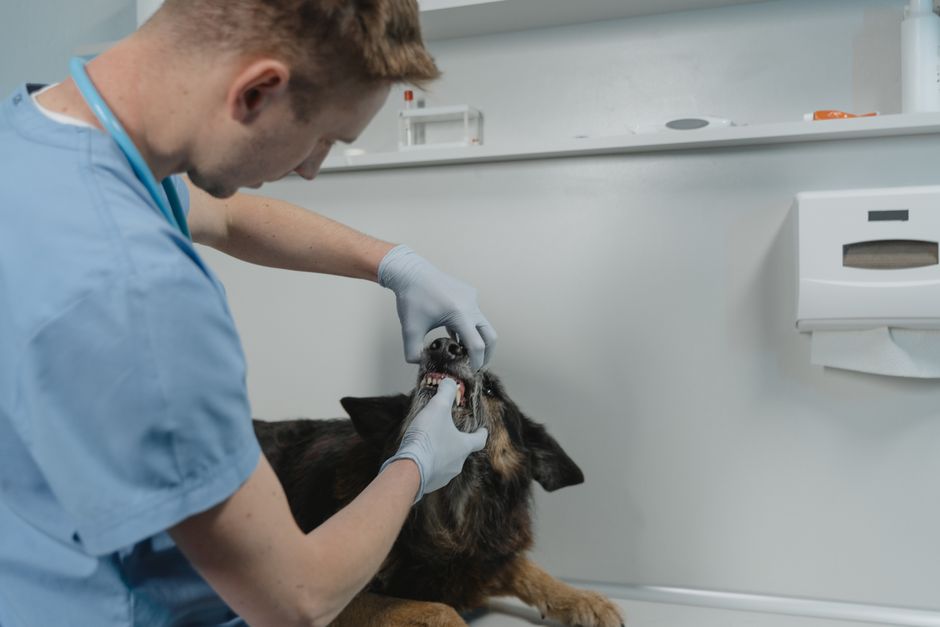
For pet owners in Vienna and nearby communities, Animal Dental Clinic provides a level of dental expertise that goes far beyond basic cleanings. Our specialty practice is equipped to perform comprehensive oral examinations, advanced imaging (including digital oral radiology and CBCT scans), and a full range of dental and oral surgical procedures. During an April dental checkup, our veterinary dental professionals will thoroughly assess your dog’s mouth for hidden problems, including tooth fractures, resorptive lesions, and early gum disease.
Treatment approaches involve everything from minimally invasive cleanings under anesthesia to complex procedures such as endodontics (root canal therapy), tooth extractions, and oral surgery for advanced conditions. You can learn more about these advanced treatments—including when a procedure like a root canal may be preferable to extraction—by visiting our page on endodontic services. In every case, our goal is to preserve your dog’s comfort and function, while minimizing discomfort and recovery time.
If your small dog already has significant dental disease, oral surgery may be recommended. Our team is highly experienced in procedures such as surgical extractions, oral mass removals, and prosthodontics. Find out more about our pet oral surgery expertise and how we tailor our approach to each patient’s unique needs.
Home Care: Supporting Your Small Dog’s Dental Health
While advanced dental care is crucial for addressing established disease, daily home care remains the foundation of oral health for small breed dogs. Brushing your dog’s teeth with a pet-safe toothpaste is the gold standard. Even if your dog is not accustomed to brushing, starting slowly and using positive reinforcement can help make this part of your routine. Dental chews, water additives, and prescription diets designed to reduce tartar buildup can also play a supportive role.
Regularly inspecting your dog’s mouth at home can help you spot changes early. Look for red or swollen gums, loose teeth, or areas where your dog seems sensitive. If you notice anything unusual, reach out promptly to a veterinary dental professional. Remember, home care can slow the progression of dental disease, but only a thorough dental examination can identify problems that may be hidden below the gum line.
When Should You Seek Professional Veterinary Dental Care?
It can be tempting to wait until you notice pain or obvious discomfort before seeking professional dental care, but this approach often allows problems to progress further than necessary. Ideally, small breed dogs should have their mouths examined by a veterinary dental specialist at least once a year, with more frequent visits recommended for those with known dental issues or previous extractions.
You should seek immediate care if your dog refuses to eat, shows signs of severe pain, has swelling around the face or jaw, or if you see bleeding from the mouth that does not resolve quickly. These symptoms can indicate advanced disease or even infection that may spread to other parts of the body. To understand why our clinic uses general anesthesia for dental procedures and how this ensures your dog’s safety and comfort, you may find our resource on why anesthesia is essential for safe, effective pet dental care helpful.
If you are unsure whether your dog’s symptoms warrant a visit, our veterinary dental team is happy to provide guidance. Early intervention is always preferable, as it can prevent the need for more extensive procedures and protect your companion’s overall health.
Why Schedule Your Small Dog’s Dental Checkup in April?
April is an ideal time for a dental checkup, especially for small breed dogs. As the season changes, many dogs become more active and social, making oral comfort and health even more important. Addressing dental issues now means your dog can enjoy walks, play, and interaction without the burden of oral pain. For pet owners in Vienna and surrounding communities, scheduling a dental assessment this spring can set the stage for a healthier, happier year.
Animal Dental Clinic offers flexible hours and the advanced expertise needed to manage even the most complex dental problems. Our Comprehensive Oral Health Assessment and Treatment services are designed to detect and address issues that may not be visible during routine veterinary visits, giving your small dog the best chance at lasting oral health.
Take the Next Step Toward Your Small Dog’s Healthiest Smile
Your small breed dog depends on you to recognize the importance of dental care, and spring is the perfect time to take action. By prioritizing a professional dental checkup at Animal Dental Clinic, you are choosing the highest standard of care for your companion. Our veterinary dental specialists are here to answer your questions, explain treatment options, and support you at every step.
If you are searching for a specialty dental vet near me, our Vienna location is ready to serve you and your pet with advanced expertise and compassion. To schedule a dental assessment or consultation, call our team of veterinary dental professionals at (703) 281-2987 or visit us at 410 Maple Avenue West, Suite #1, Vienna, VA 22180. For additional pet dental health tips and information, explore our veterinary blog or browse our comprehensive pet health library.
Your dog’s comfort, health, and longevity matter. Let us help you protect their smile and wellbeing this April and all year long.
This blog is for informational purposes only and does not replace professional veterinary evaluation. If you are concerned about your dog’s dental health, please schedule an appointment with a qualified veterinary dental team.